

Recognizing the importance of plant health for crop production, forests, planted areas, natural ecosystems and biological diversity, worldwide attention is focused on the large number of epidemics caused by new, unknown pests and by those which in the past were not considered significant. In the conditions of global trade and climate change, the increased volume of imports from other continents respectively implies a growing risk of introduction of alien invasive species.
Planting material, cut flowers, fruit and vegetables, timber and soil as a growing medium are the main pathways for the introduction of new pests, with the largest share being imported planting material of ornamental plants. After their introduction into a new territory, some species quickly adapt to the changing living environment, develop and spread within a short period of time, compromise the respective production and cause economic losses.
There is a need for a rapid, effective and robust system for identifying and assessing the risk of emergence of new phytosanitary threats through enhanced communication between assessors and those responsible for managing these risks, with the aim of reducing them to an acceptable level.
It is also necessary to detect and predict the occurrence of new pests at an earlier stage, as well as to define the criteria for new risks that are a priority for plant health. This, however, would not be achievable without knowledge of the pests already present. Pest management and prevention of their spread guarantee plant health, and monitoring is of key importance for the completeness and accuracy of the data obtained.
The Bulgarian Food Safety Agency, Plant Health Sector, as the official authority of the Republic of Bulgaria for the implementation of the principles of the International Plant Protection Convention and the phytosanitary measures in trade, applies a comprehensive system for official control and systematic surveys for pests in agricultural production, in forest areas, urban green spaces and other sites with woody plant species. Annual monitoring is carried out for quarantine and new pests on plants throughout the territory of the country for their early detection and the implementation of timely measures for the eradication of outbreaks.
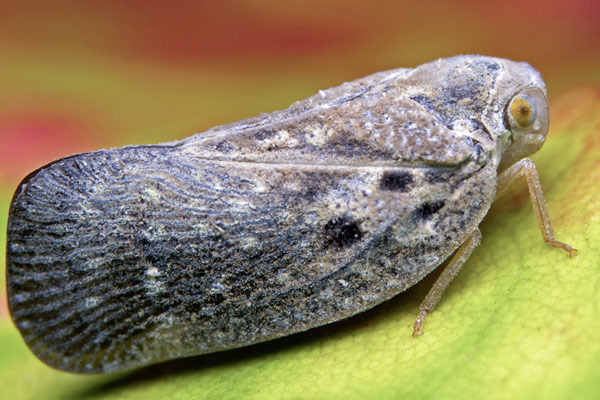
During the implementation of monitoring activities, invasive species have been detected such as Metcalfa pruinosa (Say) on thuja plants, imported from Hungary in 2004; Tuta absoluta in 2009, Drosophila suzukii (Matsumura) in 2014, Aceria kuko (Kishida) in 2016 and many others which, due to the favourable climatic conditions in our country, have developed and become permanently established in certain areas of the country.
Plant health is a key factor in maintaining competitiveness in crop production, in the economy as a whole, as well as in the policy of open trade. Protecting agricultural crops from pests will affect the quality and safety of the plant products produced, and this will improve the quality of food of plant origin. An important factor in achieving the objective – protecting plant health – is public awareness of the risks posed by pests. Knowing them, the interested stakeholders from the public would react when they notice a danger, thereby reducing the response time of the control authorities in the event of epidemics.