

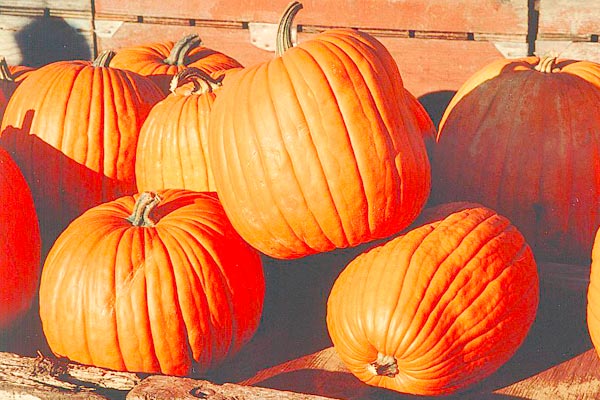
The transformation of Halloween into a Bulgarian holiday in recent years is not the reason why in 2016 Bulgaria became the leading producer of pumpkins in the European Union. The cultivation of new varieties from the Cucurbitaceae family also does not explain the record 133 thousand tonnes of pumpkins and gourds harvested from almost 12 thousand hectares, according to Eurostat data.
Thus, countries such as Austria, where pumpkin consumption is part of traditional culinary practices and the diversity of varieties reaches up to 400 types, rank well behind Bulgaria.
In fact, the unusual overproduction of this tasty mixture of vegetable and fruit is due to the subsidy policy pursued in the agricultural sector in the EU. In 2015, our country began applying the scheme for the so-called coupled support. This meant that in the fruit and vegetables sector subsidies could be received for specific types of production, even exceeding production costs. Specifically for pumpkins, the subsidy paid covered 101% of the production costs, without taking into account the additional amount received by farmers from the sale of the produce.
Only 2 years later, the support scheme was amended, and as of 2017 the three crops – pumpkins, peas and green beans – were excluded.
Pumpkins themselves are composed of over 90% water. They contain a high level of beta-carotene and have an exceptionally good sodium-potassium ratio. Pumpkins also contain magnesium, calcium, iron, phosphorus, vitamins B, C, D and E. Their fruit also has a rather low caloric content – only 20 calories per 100 grams.