

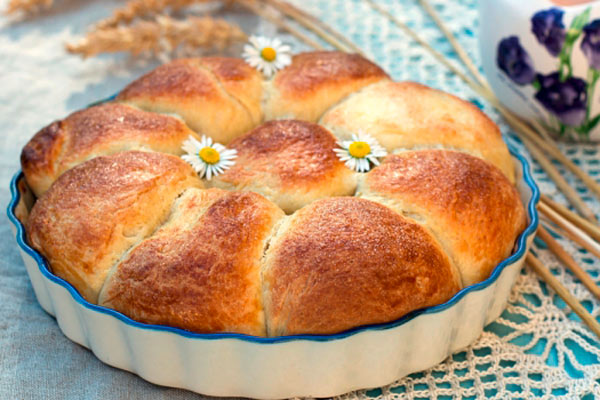
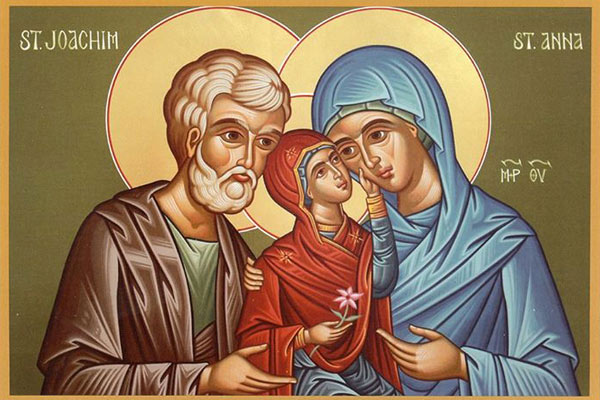
Today, September 8th, the Orthodox Church celebrates the Nativity of the Most Holy Theotokos – the Lesser Theotokos. According to tradition, early in the morning, housewives knead a large loaf of bread – the "Theotokos bread" – from which they give a piece to each family member and leave one for the house. They also bake kurabiyiki, gevrekcheta, and small sweets, which are distributed to orphans, along with clothes and money.
In most regions, between the Great and Lesser Theotokos, women do not weave, sew (and in some places, do not knead dough), so that their children will be healthy. Between the two Theotokos feasts, most spring perennial flowers and shrubs are transplanted and propagated – peonies, irises, lilac. The feast of the Lesser Theotokos is also marked by village-wide fairs, gatherings, songs; usually near churches, monasteries, and shrines associated with the Mother of God. In some places, a sacrificial lamb – a ram – is also slaughtered in her honor.
The birthday of the Theotokos coincides with the birth of the new agricultural season. The ritual practices are defined by the idea of this turning point: they aim to ensure fertility, fecundity, and health through grain and animal sacrifice. Thus, in the folk calendar, under the patronage of the Mother of God, the new agricultural cycle begins.