

During this period, seedlings for medium-early production of tomatoes, pepper, and eggplant that are not pricked out are sown. Peas, parsley, carrots, bunching onion, leek, and at the beginning of April – beans, are sown directly in the field. Towards the end of March, tomatoes are transplanted, followed by pepper and cucumbers in polyethylene greenhouses. In the first ten days of April, direct-seeded tomatoes are sown. How can we keep them healthy?
- Pre-sowing treatment of seeds: of peas, beans, carrots, and parsley, followed by rinsing under running water for 30 minutes and drying.
- Maintaining an optimal temperature and humidity regime of the air and soil to prevent damping-off (false). Upon occurrence of true damping-off, the diseased plants are first removed, and the soil beneath them is disinfected. Healthy plants are watered with a fungicidal mixture. Treatment of the seedlings is carried out before transplanting and one week before they are taken outdoors.
- In greenhouse crops, infestation by white mold (Sclerotinia) and root rot is possible. Control of root rot is carried out in the same way as for damping-off, but the plants are watered 1–2 times with a fungicidal mixture at 0.5–1 l/plant. Against white mold (Sclerotinia), the plants and soil are sprayed with a fungicide, and the lesions on the stems are coated with a paste made from the same product.
- The following diseases may be observed on seedlings and already transplanted vegetable crops:
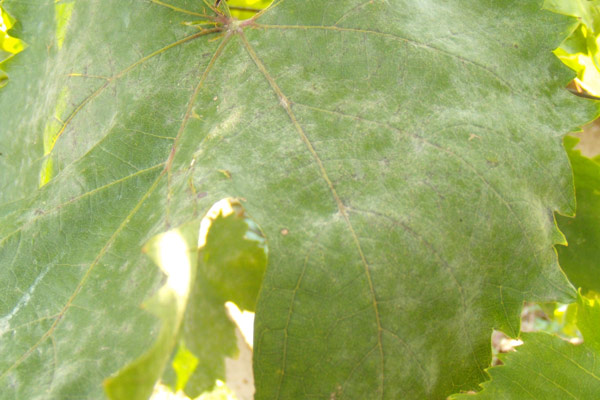
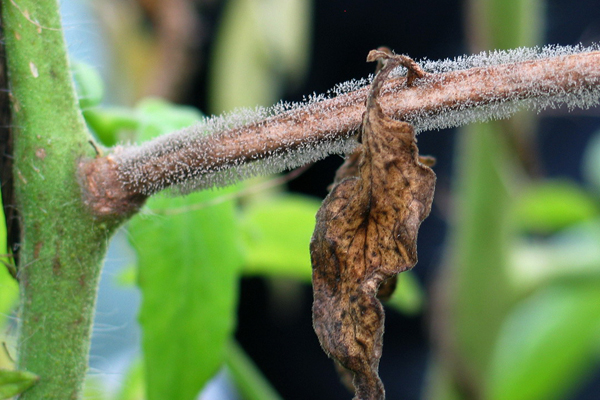
tomatoes – brown leaf spots (Alternaria), powdery mildew, grey mold (Botrytis), leaf mold; cucumbers – powdery mildew, downy mildew
Control against them is carried out by applying the following measures:
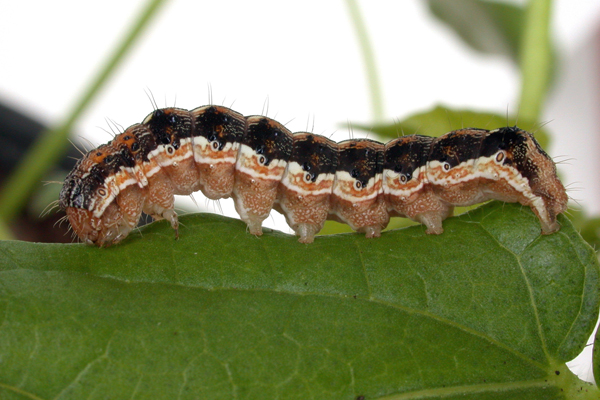
The most common pests in greenhouse crops are: greenhouse whitefly, aphids, thrips, leaf-mining flies, caterpillars, spider mites, tomato eriophyid mite. For their control, insecticides listed in the PPP Register/2016 are applied. On overwintered cabbage in the open field, downy mildew may occur. During this period, besides the onion fly, the cabbage fly is also harmful.
Green onion and garlic, as well as radishes that will soon be offered on the market, must not be treated! It should be borne in mind that crops – seedlings and greenhouse production – are at different phenological stages, and some are even in fruiting. It is necessary to select pesticides very carefully, in accordance with their pre-harvest intervals.
Downy mildew can be forecast
Downy mildew on onion is not transmitted by seeds but overwinters as oospores in the soil and as mycelium in the bulbs. It is known that systemically diseased plants grown from diffusely infected bulbs form spores and infect healthy plants in May, and in some years also in April, whereas oospores infect later. Therefore, systemically diseased plants are more suitable for observation and forecasting.
The most important moment is the accurate determination of the day of initial sporulation of the fungus. Therefore, observations on systemically diseased plants are carried out daily from the beginning of April in onion of the third year and after 20 April and during May in onion of the second year. Spores of downy mildew are formed at temperatures from 3 to 27°C (with an optimum of 12–13°C). In addition, for sporulation, air humidity above 95% is required for 6 hours after 0–1 a.m. at night, and for infection of the leaves – a drop of water (abundant morning dew on the leaves) for 6–8 hours. Under such conditions, the incubation period is 10–14 days and the first spraying must be carried out 1–2 days before its expiration, i.e. before the symptoms of the disease appear.