

For some time now, the chemical substance glyphosate, which is a primary ingredient in a large number of herbicides, has been a focus of attention, both from the International Agency for Research on Cancer of the World Health Organization and from agricultural scientists who believe the substance has lost its effectiveness and weeds no longer respond to its formula.
The preparation of a report by independent experts focusing on the carcinogenicity of this specific chemical compound stirred public opinion in mid-August and, as "Plant Protection" has already reported, called into question the renewal of glyphosate's license.
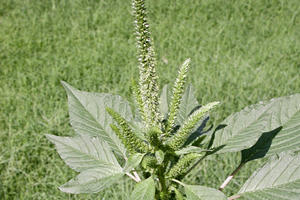
Recently, other details threatening the glorious history of the mass use of the chemical substance have also come to light. American farmers are increasingly reporting weeds resistant to glyphosate. Resistance to the product is increasing dramatically, and this directly affects food production. Farmers in the US have already compiled a list of 14 "glyphosate-resistant" plants documented in various agricultural regions of the US. Lately, there has been much talk about Palmer amaranth (Amaranthus palmeri), whose rapid and easy spread threatens the output of agricultural producers.
At the same time in Europe, and recently in Bulgaria as well, plants of the Amaranthus species are gaining increasing popularity in healthy nutrition due to the high nutritional value of their seeds. Depending on the variety, the crude protein content in the seeds is between 12.5% and 17.5%, and they are particularly rich in lysine, unlike true cereal grains.
Whether glyphosate's license will be renewed by the agricultural authorities at the end of October for another 10 years or will remain forever in history depends on various factors, including its ineffectiveness and the need for new and effective products that are safe for humans and the environment.