

Weeds, along with diseases and pests, are among the primary factors that reduce the productivity of agricultural crops. They successfully compete with cultivated plants for light, water, and mineral elements, consequently disrupting the physiological processes within them. For example, at high density (50 plants per sq.m), ryegrass strongly suppresses the transpiration and photosynthesis of wheat plants (Mitkov et al., 2010), and field bindweed (10 plants per sq.m) removes nitrogen, phosphorus, and potassium in amounts equal to their removal by an average potato yield (Koshkin, 2010). Weeds also exert a number of other negative effects – they disrupt the phytosanitary condition of crops, deteriorate quality, and hinder the harvesting of plant produce.
Weed control requires an integrated approach, including agrotechnical measures (crop rotations, soil tillage, etc.) and chemical methods (herbicides). Due to their high effectiveness and competitive pressure, the application of herbicides is an indispensable element in modern agricultural technologies. At the same time, it is necessary to point out that the chemical method should not be absolutized, as it is not without some drawbacks.
The use of herbicides is based on the selectivity of their action, which results from a number of physical and biochemical differences between weed and crop species. Although modern herbicides are characterized by increasingly higher selectivity, in certain cases they can exert a toxic effect on cultivated plants (herbicide phytotoxicity). Such cases can arise both from improper use (wrong choice of herbicide, herbicide drift onto other crops, increased herbicide doses, etc.) and from the correct use of herbicides but with insufficient selectivity, combination of herbicide treatment with unsuitable soil-climatic conditions, and others.
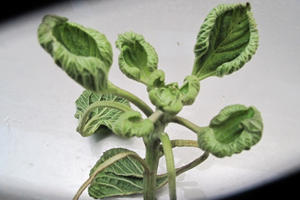
The manifestations of herbicide phytotoxicity can be overt and hidden. Overt ones include various morphological changes and disorders, retarded growth, chloroses, necroses, malformations, etc., while hidden ones are functional disorders in key physiological processes such as photosynthesis, respiration, water relations, and others.