Neonicotinoids in the EU – their fate will be decided on 27 April
Author(s): Растителна защита
Date: 23.04.2018
27004
If the ban on the use of the three neonicotinoids in the EU (clothianidin, imidacloprid and thiamethoxam) in open fields, based on the latest assessment of the European Food Safety Authority (EFSA), is adopted at the end of April, it will also significantly affect the major sugar beet producers in Europe.
Following the proposal of the European Commission, which expressed its final opinion to terminate the outdoor use of the three controversial substances from the neonicotinoid group in the EU, a final decision on their fate will be taken on 27 April 2018.
Report of the European Food Safety Authority (EFSA)
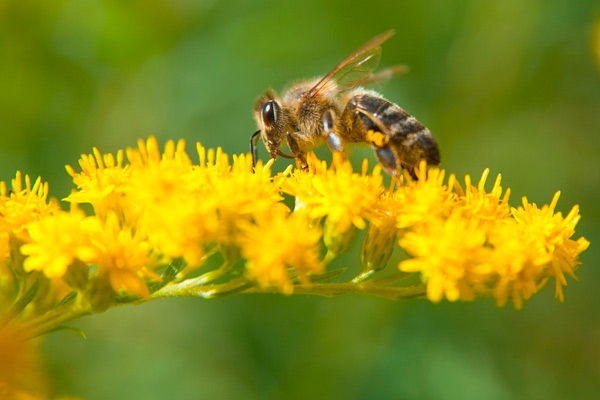
At the end of February 2018, the European Food Safety Authority made available to the public a detailed new report, according to which the use of clothianidin, imidacloprid and thiamethoxam on open areas leads to an increased risk of reducing the populations of wild and honey bees. In the event that the ban is voted and adopted, the three chemical substances will be completely restricted for use in agriculture. The communication of the European Commission further states that the use of the three insecticides is unlikely to affect their use in greenhouses.
Risk for European sugar beet
The ban on neonicotinoids will significantly affect the major sugar beet producers in Europe, such as Germany, Poland, Austria, France, Spain, the Czech Republic and Spain. There are still no alternative insecticides for the treatment of sugar beet pests. In addition, the price of European sugar beet is extremely low and below production costs, and the production quotas for this valuable raw material have also been abolished. This is prompting many farmers to reduce the areas planted with this crop. At present, one tonne of sugar beet on the world markets is traded at about 360 euros. On the other hand, imports of processed sugar and sugar beet into the EU, especially from third countries (such as all the countries that are members of the Mercosur Agreement), have been increasing in recent years. “Imports from third countries with lower standards in agriculture are increasing. This will also happen with agricultural crops such as maize, rapeseed and potatoes,” said Christian Stockmar, President of the Austrian Plant Protection Association (IGP).
More on the topic:
The EU postpones the vote on neonicotinoids
The official EU opinion on neonicotinoids is expected in November