Biological agriculture in Europe – demand is increasing
Author(s): Растителна защита
Date: 05.07.2017
5563
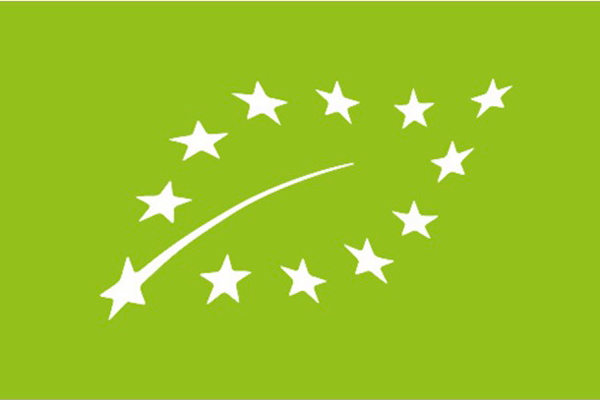
From mid-2020 new rules will apply to all organic products in the EU. Uniform standards are planned for production and imports, as well as strict control, especially with regard to the labelling of the respective products, in order to prevent the increasingly frequent frauds. After years of disputes, the negotiating representatives of the Member-States reached an agreement. It is yet to be voted on by the European Parliament and the Council.
The draft regulation on the rules for the production and labelling of organic products was presented by the European Commission as early as the beginning of 2014, but only now have the negotiators from the Member States, the Commission and the Parliament reached unanimity on the contentious issues.
Fewer obstacles and greater security on the organic market
“People want to have healthy food on their table. The demand for organic products is growing with every passing day in the EU”, stated Maltese Secretary Clint Camilleri at the meeting held in Malta last week. “We are proud to announce an agreement that will increase the potential of organic farming, support agricultural producers and strengthen consumer confidence“.
It has been agreed to harmonise and simplify the production rules and to strengthen the control system. The entire food chain from producers to traders will be additionally controlled by authorised EU bodies. New control rules for retailers have also been introduced. In addition, the European rules for the safety of organic goods will also apply to all imported products.
Introduction of strict rules for small-scale producers and simplification of the procedure for applying to become an organic farmer
German MEP from the Green Party Martin Häusling considers that the lengthy negotiations have led to success, especially on important issues such as contamination of production with pesticides. The negotiators have agreed on preventive measures that all certified agricultural producers must observe when producing organic products. If, upon inspection, the organic production has been treated with pesticides and fertilisers permitted only for organic production, the farmers will not be entitled to sell their production as organic for a period of three years. The special sticker, which is a sign of a product’s belonging to organic farming, may be withdrawn for more than 3 years if irregularities and non-compliance with the regulation are established in the respective holdings.
Smaller producers will in future have the opportunity to apply for organic farmer status with a joint permit, which will unite several producers or will be a single permit for the entire branch organisation in which the producer participates. In this way, the direct responsibility will be reduced from resting solely on an individual farmer.
Imports into the EU will also be strictly regulated
The legal loopholes in the import of organic products into the EU will be eliminated. For many of the goods sold in Europe until now there have been no rules at all and consumers have relied solely on the information provided by the producer. This list includes products such as salt, beeswax, certain areas of livestock farming (venison), and poultry.
The agreed arrangement is to be voted on by the European Parliament and the Council before it enters into force.