The certificates of organic producers are at risk
Author(s): Растителна защита
Date: 16.09.2015
4219
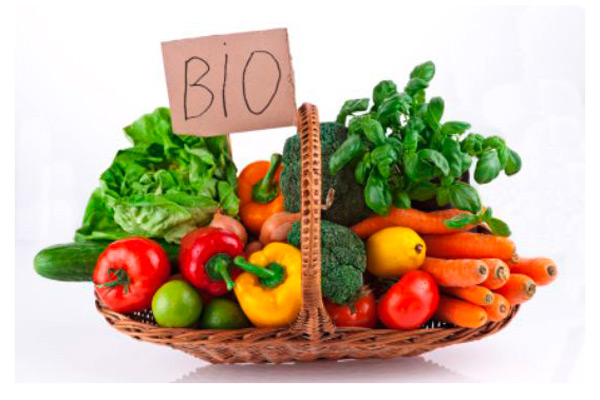
During the new 2014-2020 RDP programming period, the funds allocated for organic production have been increased approximately fivefold compared to previous years. "We have allocated a special measure for organic production, with a total budget of 151 million euros for the entire programming period. Within the investment measures, we prioritize those projects that will be implemented and invested in organic production—they receive an additional bonus," shared Deputy Minister Vasil Grudev at a three-day bio-forum held in Panagyurishte, organized by the Bulgarian Association "Bioproducts" (BAB) and IFOAM EU (International Foundation for Organic Agriculture Movements).
It is well known that this agricultural sector faces difficulties of both economic and plant protection nature. Nevertheless, the European ambitions for the branch are to increase organic production by 50% and establish it as competitive. However, in reality, with the imposition of new and notably strict rules for pure agriculture, this nascent sector is losing ground on world markets.
The certificates of organic producers can be revoked if insecticides and pesticides are used in conventional farms neighboring theirs. This proposal is from the European Commission under the new regulation on organic production, reported Marco Schlüter, Executive Director of IFOAM.
According to the preliminary text of the regulation, a minimum threshold for contamination with prohibited substances could be introduced. Bulgaria, however, maintains a position of zero tolerance, meaning there should be no such threshold, answered Neli Văleva, an expert at the "Organic Agriculture and Crop Production" Directorate at the MAF. Currently, an investigation is being conducted on organic farms whose products exceed a contamination level with prohibited substances of 0.01%, but this is completely unofficial. If contamination of organic produce is detected, the certificate will be revoked only for the crop in which residual pesticides or insecticides were found, meaning the entire farm will continue to operate as organic.
Currently, it is unclear what will happen to organic produce already contaminated with pesticides from neighboring conventional farms—whether these fruits and vegetables will be sold with the European "Organic" logo, whether they will be offered as conventional, or whether another measure will be applied to them. According to the latest proposal made in the Council of Ministers regarding the new regulation, each government may decide that organic producers are low-risk and can be inspected once every 30 months. According to Marco Schlüter, Executive Director of IFOAM (International Foundation for Organic Agriculture Movements), one of the solutions is to establish boundaries between farms for organic and conventional production to prevent contamination with herbicides and pesticides. Following a thorough study of the sector by the agricultural authorities of the old continent, the European Parliament will make a final pronouncement on the fate of organic production.