World Wildlife Day 2026 – Medicinal and Aromatic Plants
Author(s): Растителна защита
Date: 03.03.2026
1594
![MultipartFile resource [file_data]](/assets/img/articles/дива-природа-2026.jpg)
The 2026 World Wildlife Day promotes public engagement and raises awareness about the role of medicinal and aromatic plants for human health, cultural heritage, and sustainable development.
The theme of World Wildlife Day, traditionally observed on March 3rd, this year is "Medicinal and Aromatic Plants: Preserving Health, Heritage, and Livelihoods" (WWD2026). It highlights the importance of these species both for human health and well-being and for ecological balance.
The World Health Organization (WHO) recognizes the importance of medicinal and aromatic plants, particularly in developing countries, where 70-95% of the population relies on traditional medicine for primary health care. These plants form the basis of many health systems and remain vital for modern pharmaceuticals, as numerous active medicinal compounds are derived directly or indirectly from natural sources, despite advances in synthetic chemistry.
Approximately 50,000-70,000 species of medicinal and aromatic plants (MAPs) are collected worldwide, of which about 1,500 are estimated to be included in the appendices of the Convention on International Trade in Endangered Species of Wild Fauna and Flora (CITES), with over 800 listed in CITES Appendix II. Cultivation and wild collection practices for MAPs provide vital resources for many households worldwide, with one in five people relying on wild plants, algae, and fungi for food and income.
Global revenues from traditional Chinese medicine amounted to 83 billion US dollars in 2012. Annual expenditures in the traditional medicine sector in the Republic of Korea were 7.4 billion US dollars in 2009, and private spending on natural products in the United States was 14.8 billion US dollars in 2008. The European market for herbal supplements and herbal medicines is valued at 7.4 billion US dollars annually.
Medicinal and aromatic plants play a key role in supporting ecosystems by stabilizing soils, promoting biodiversity, and providing essential resources for pollinators, such as bees and hummingbirds. However, many of these valuable species face increasing threats from habitat destruction, overharvesting, and illegal trade, making their conservation a global priority.
Beyond their medical applications, medicinal and aromatic plants also contribute to the development of various industries, including cosmetics, food, and most notably, they are a valuable source of genetic resources. The derived genetic resources from medicinal plants are used for various applications in agriculture, medicine, and environmental conservation. Ensuring benefit-sharing is essential and can provide incentives for the conservation and sustainable use of wildlife (Goal 13 of the Kunming-Montreal Global Biodiversity Framework).
Over 20% of plant species used globally for medicinal and aromatic purposes are considered threatened with extinction on the IUCN Red List, mainly due to overharvesting, habitat loss, climate change, and unregulated or illegal international trade. Raising awareness, strengthening regulations, and ensuring the sustainability of harvesting and trade are crucial for the survival of these invaluable plant resources in the wild.
Medicinal and Aromatic Plants in Bulgaria
Bulgaria is the only country in the European Union with a specialized Law on Medicinal Plants (2000), which regulates the conservation and sustainable use of these resources. About 770 plant species in the country, or approximately 19% of the flora, are medicinal, with nearly 760 of them being wild-growing. About 250 species are used for commercial purposes.
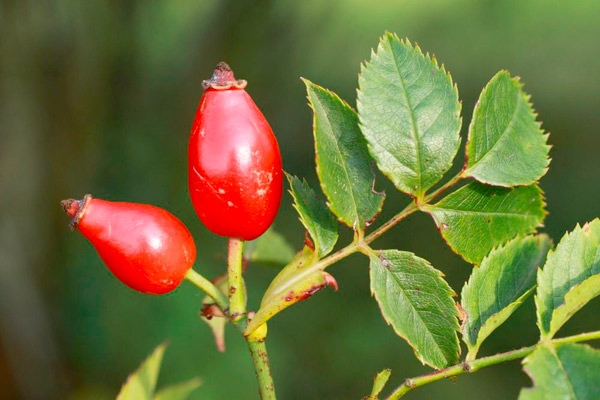
The rich topography, diverse soils, and specific climatic conditions determine the high diversity of plant life in Bulgaria. The centuries-old connection of people with nature is reflected in Bulgarian traditions, holidays, and livelihoods.
Annually, over 10,000 tons of herbs are collected in the country, and the regional inspectorates of environment and water control the activities of approximately 690 herb collection points, reports the Ministry of Environment and Water.
Improper collection or depletion of habitats can lead to a rapid decline in populations, turning even widespread species into rare and vulnerable ones. The conservation and sustainable use of medicinal plants is essential both for preserving natural resources and biodiversity, and for supporting local communities that rely on them for livelihoods, as well as for ensuring their availability for future generations.