Bulgaria is a leading producer of herbs and spices in the EU
Author(s): Растителна защита
Date: 29.11.2019
15119
According to data from the European statistical agency Eurostat, for the ninth consecutive year Bulgaria ranks first in the European Union in the production of herbs and spices. In 2018 more than 71 thousand tons of aromatic plants were grown in the country.
Second in the 2018 ranking is Poland – with only 39 thousand tons, while third place goes to Spain with 32 thousand tons.
In Bulgaria there is an enormous diversity of plant species – over 4,100 higher plants, of which 750 are medicinal plants with proven beneficial properties, and about 250 are used intensively in the pharmaceutical industry, cosmetics, the food industry and traditional medicine.
Thanks to the diverse climatic and soil conditions, Bulgarian herbs are renowned for their high content of chemical compounds: alkaloids, glycosides, saponins, polysaccharides, tannins, flavonoids, lignans, coumarins, essential oils, vitamins, microelements, etc.
Although Bulgaria is significantly smaller in territory than countries such as India and China, our country surpasses them in the quantities of herbs exported annually. Every year we export between 18,000 and 20,000 tons of dried or frozen herbs worth several tens of millions of euros. This equals 90% of the herbs collected in Bulgaria. The main buyers of this natural pharmacy are Germany, Italy, Spain, France, the USA and Japan.
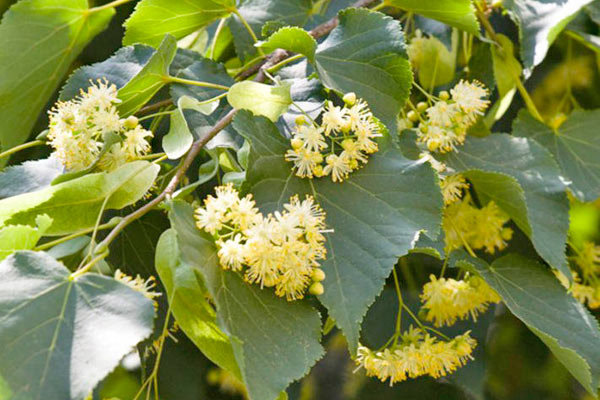
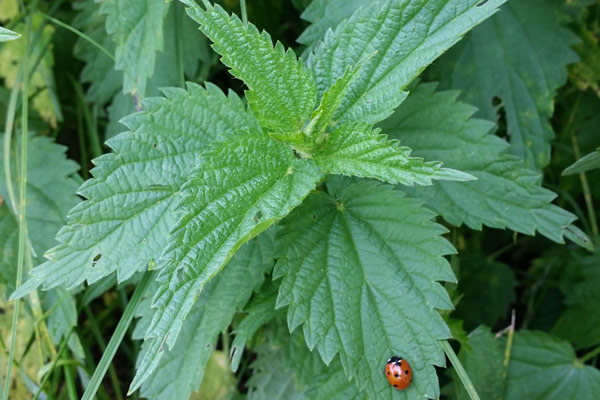
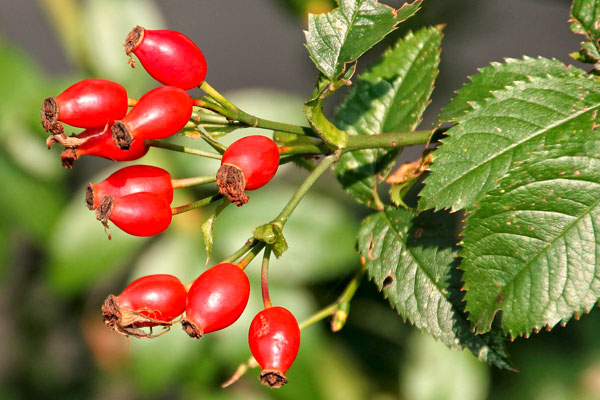
Some of the most sought-after herbs abroad are linden, rosehip and nettle. First among them is linden blossom, of which about 1,200 tons are exported annually. Exports of rosehip fruit amount to about 1,100 tons per year, and of nettle – about 1,000 tons. A large share of the herbs are found in the wild: linden, rosehip, nettle, hawthorn, blackthorn, elderberry, juniper, dandelion,
chamomile, blackberry, bilberry, etc. Others are successfully cultivated on large areas: coriander, lavender, oil-bearing rose, lemon balm, mint, valerian, milk thistle, fennel, etc.
In the period 2001–2005 the most preferred herbs for export were linden blossom, rosehip fruit with seeds, mint leaves, nettle leaves and coriander fruit.
Bulgaria ranks among the leading countries in the production and export of raw materials, but does not export processed products, which accordingly have a much higher market value. Although the country has a scientific environment and conditions for processing raw materials into medicines, food supplements and cosmetics, the national economy focuses only on the primary processing of herbs. We can significantly increase our revenues from this natural gold by cultivating medicinal plants and developing initiatives for processing the raw materials and adding value locally.
This natural resource is not inexhaustible; therefore its use is subject to regulation under several laws. These are the Medicinal Plants Act, which is accompanied by a list of 739 medicinal plants, the Biological Diversity Act, the Protected Areas Act and the Forests Act.
Bulgaria is the only country in the European Union that also has a special Medicinal Plants Act (MPA), which regulates the management of activities related to the conservation and sustainable use of medicinal plants, including the collection and purchase of the herbs obtained from them.
In recent years Mursal tea, also known as “Pirin tea”, has gained great popularity not only in our country but also abroad. Its chemical composition includes flavonoids, polyphenolic acids, iridoids, essential oil and a wide spectrum of micro- and macroelements. The natural habitats of mountain tea are traditionally found in the Rhodope, Pirin and Slavyanka Mountains, and for centuries it has been used as an antioxidant, antimicrobial, anti-ulcer and anti-inflammatory agent. However, its stocks are decreasing and its collection has been prohibited during the last few seasons. The ban, of course, does not apply to the sale of herbs from cultivated areas of Mursal tea, the regulation of which is strictly controlled by the municipal administration.