

In mid-November, the agrometeorological conditions will be determined by temperatures around and above the climatic norms. Precipitation of agronomic significance is not forecast, and the deficit of soil moisture will remain a limiting factor for the vegetation of the sown autumn crops. For this reason, the emergence of winter cereal crops sown at the beginning of November will be delayed, and in some places the survival of part of the crops that germinated at the end of October will be in question. As a result of the moisture deficit, part of the crops with wheat, barley and winter rapeseed are poorly established. During the period, different phases will be observed in winter cereal crops: emergence, initial leaf formation and third leaf stage, mainly in the crops sown in the first ten days of October in parts of the Danube Plain (Băzovec, Novachene, Pavlikeni, Glavinitsa).
As a result of the lack of moisture, the development of winter rapeseed is also lagging behind. During the period, rapeseed crops with 3–4 leaves formed will predominate. Exceptions will occur in some of the earliest sown crops, in September, in certain locations in the southeastern regions, where the beginning of the rosette formation stage will also be observed.
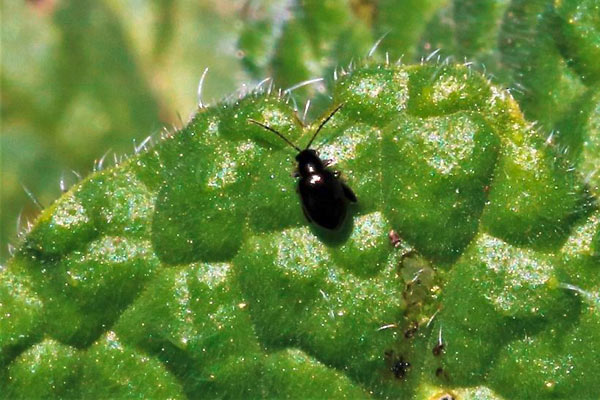
During the second ten-day period of November, in autumn crops, especially those grown in monoculture, monitoring must continue to identify the economically most important pests and their population density: in rapeseed for infestation by the cabbage stem flea beetle; in wheat and barley – for the population of the common vole, and for damage caused by the larvae of the wheat leaf beetle and cereal flies. When pest density exceeds the economic threshold of harmfulness (ETH), timely plant protection measures are required.
In the following period, the conditions will be suitable for clearing the areas from late row crops (maize, later varieties of head cabbage, root crops). The second ten-day period is a suitable time for planting fruit trees.
Source: NIMH