

![MultipartFile resource [file_data]](/assets/img/articles/агро-прогноза-април-2026.jpg)
In April, agro-meteorological conditions will be characterized by increased dynamism. During the first and second ten-day periods, they will be defined by weather that is cold for the season. The development of agricultural crops will proceed at a slower pace, with average daily temperatures below climatic norms. The significant rainfall expected during this period will maintain a very good level of soil moisture reserves in the 50cm layer, which is of great importance for the normal progression of the vegetation of winter cereal crops and sown spring crops.
During the first ten-day period, winter cereal crops will transition from the tillering phase to the stem elongation phase, with the stem elongation phase occurring in crops in areas of the eastern and extreme southern regions of the country (Silistra, D. Chiflik). During the second ten-day period, the stem elongation phase will predominate in wheat.
The development of agricultural crops during the third ten-day period of April will proceed at moderate rates, with temperatures close to the usual for the period. Towards the end of the ten-day period, the beginning of the heading phase will be observed in wheat in the eastern and southern regions.
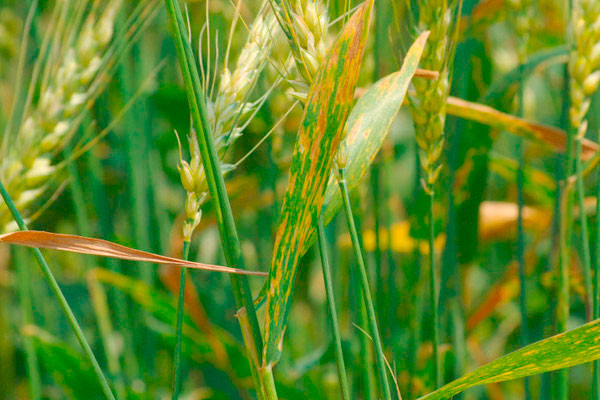
The inter-phase period from stem elongation to heading is critical for wheat infection with septoria. During this period, crops should be inspected for the presence of diseases and pests: common vole, cereal aphid, wheat thrips, and if their numbers exceed the economic threshold, timely plant protection is necessary.
In wheat and barley crops during April, conditions will be favorable for the appearance of powdery mildew (Blumeria graminis). The combination of high humidity and the forecasted persistence of temperatures above 12 degrees for a period of two weeks is a prerequisite for an epiphytotic development of the pathogen.
High moisture in the upper soil layers also increases the risk of wireworm (Elateridae) appearance in sunflower. Moisture stimulates the movement of the pest larvae into the upper soil layers, where they directly attack germinating seeds. The current field situation requires precise inspection and an operational response to meteorological factors.
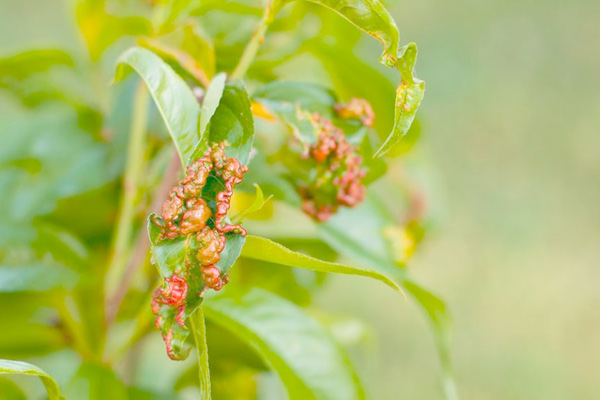
The unstable and cold weather on most days of the month, with frequent rainfall, will create conditions for an increase in the infectious background of a number of fungal diseases in fruit trees: early brown rot, shot hole, scab, peach leaf curl, etc. More suitable conditions for conducting plant protection sprays will be created in the middle of the first, the beginning of the second, and the third ten-day period.
In April, an increased probability of hail is forecast for the middle and end of the third ten-day period. Fruit crops affected by hail should be treated with copper-containing fungicides at the first opportunity to limit the risk of secondary infections with pathogens.
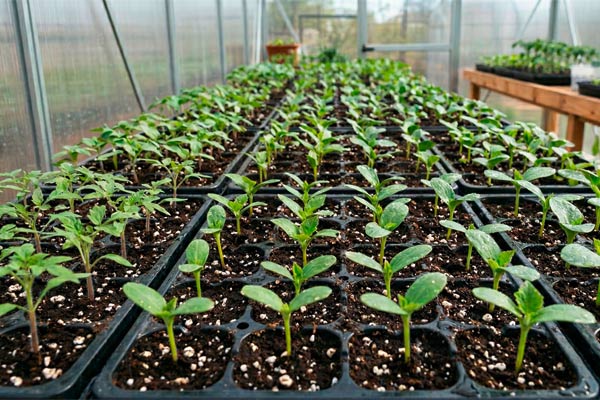
The last April frosts are expected at the beginning of the third ten-day period, which should be taken into account when hardening off vegetable seedlings. During the ten-day period, the soil temperature in the 10cm layer in field areas will reach suitable values for sowing corn.