

![MultipartFile resource [file_data]](/assets/img/articles/заглавна-загуби-съхранение.jpg)
Summary
Post-harvest losses are the main problems for producers after harvesting vegetable crops. Reasons for this include physiological changes, physical damage, chemical injuries, pest damage, and pathological rot. Vegetables lose their market appearance due to post-harvest infections. They render the produce unsellable or reduce its value. Fresh vegetable products can be infected before or after harvest by diseases caused by fungal or bacterial pathogens, as well as by some pests.
Losses caused by diseases and pests developing after harvest are significant. According to some researchers, they reach up to 30% per year, despite the use of modern storage techniques and facilities. In developing countries, which lack modern storage facilities, this percentage is significantly higher. Infection by pathogens and pests can occur during vegetation, at harvest, during storage, transport, and trade, or even after purchase by the end consumer. In the context of an increasing food deficit, post-harvest losses are unacceptable. To feed 10 billion people worldwide over the next 40 to 50 years, the efficiency of food production and distribution will need to improve immensely.
The causes of post-harvest losses in fruits and vegetables can be parasitic, non-parasitic, or physical. Parasitic causes can be microorganisms, disease-causing agents, or pests. Diseases can begin as latent infections before harvest, while others appear at or after harvest, during storage.
It is essential to detect and diagnose post-harvest pests and formulate safe storage management practices. Vegetable produce is damaged by pathogens after harvest and short-term storage, rendering it unfit for consumption and sale. This is mainly due to the production of mycotoxins and other potential risks to human health. Some fungal (Alternaria, Aschochyta, Colletotrichum, Didymella, Phoma, Phytophthora, Pythium, Rhizoctonia, Sclerotinia, Sclerotium) and bacterial pathogens (Erwinia spp., Pseudomonas spp., Ralstonia solanacearum, Xanthomonas euvesictoria) have been recorded as post-harvest pathogens of vegetable crops.
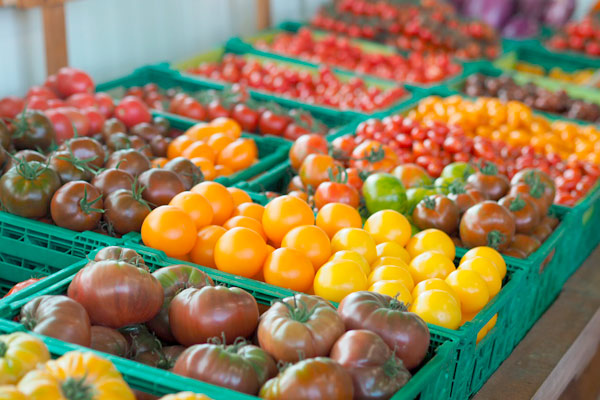
The incidence of fruit rot from post-harvest tomato pathogens can reach: from Alternaria solani up to 30%, from Phytophthora infestans 15%, from Sclerotium rolfsii 30%, from X. euvesictoria 5%. On cucurbit crops, the most common post-harvest pathogens are Didymella and Colletotrichum.
In leguminous vegetable crops, the most common post-harvest pathogens are Ascochyta pisi, Colletotrichum lindemuthianum, Sclerotinia sclerotiorum and Pseudomonas syringae pv. phaseolicola.
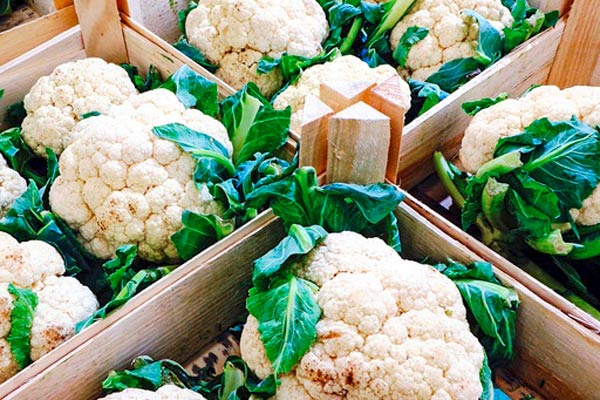
On cauliflower, white and gray rot caused by Xanthomonas (10%) and soft rot by Pectinovora (Erwinia) (19%) are frequently observed. These are recorded as emerging post-harvest pathogens of cauliflower.
Once harvested, vegetables have a limited post-harvest life; they no longer receive water or nutrients from the plant. The natural aging of products leads to tissue softening and often they lose pre-formed antimicrobial substances. These changes in vegetable quality make them less desirable for consumers.
Pre-harvest factors influencing post-harvest pathology are:
- Susceptibility of cultivated varieties to pathogens and pests. Some varieties are more prone to rot and pest attack than others;
- The condition of the crop, which depends on fertilization, irrigation, and applied plant protection measures;
- The degree of ripeness of fruits and vegetables at harvest;
- Processing and storage method of the produce.
Other factors influencing storage pathology are:
Weather: Weather affects the amount of inoculum and pests that successfully overwinter, as well as the amount of residual pesticides remaining in fruits during harvest. An abundance of inoculum and pests, along with favorable conditions for infection and development during the season, often lead to serious damage in harvested produce.
Post-harvest damage includes the further development of infections that started before harvest, along with new damage from pests found on the surface of the produce.
Physiological condition: The condition of the product at harvest determines how long it can be safely stored. The onset of ripening and senescence in various vegetables makes them more susceptible to pathogen infection. Proper nutrition during vegetation is also of great importance.

It is known that calcium is more closely associated with disease resistance than any other cell wall-bound cation. Pre-harvest treatment with a CaCl2 solution significantly reduces rot. It has been found that increased calcium content in potatoes and peaches also reduces post-harvest rot. Produce containing sufficient calcium levels can be stored longer before rotting. High nitrogen content in fruits predisposes them to rot. Global breeding is now working diligently to create varieties resistant to post-harvest pathogens.
Fungicide treatment: Some pre-harvest sprays reduce storage rot. For example, treatment with certain fungicides reduces rot by 25 to 50% with a single spray. Some newly registered fungicides have good prospects for protecting produce after harvest. For example, cyprodinil prevents gray mold infection on apples for up to 3 months after treatment. The new group of strobilurins provides post-harvest control of some diseases after harvesting fruits and vegetables.
Post-harvest factors influencing crop rot:
Sanitation during packaging: It is important to maintain sanitary conditions in all areas where produce is packed. The presence of organic residues is a suitable prerequisite for the development of rot-causing pathogens.
Chlorine rapidly kills microorganisms if its quantity is sufficient. A level of 50 to 100 ppm active chlorine provides excellent fungicidal action. Peracetic acid is another substance that can be used. The search for effective and economical sanitizing agents continues. New and old products continue to be evaluated according to current packaging operations. Interest in ozone is reviving with the development of more efficient generators.
Post-harvest treatment is determined by:
- Type of pathogen causing rot;
- Location of the pathogen in the product;
- Most suitable time for treatment;
- Host maturity.
The surrounding environment during storage, transportation, and marketing of the produce also has an influence. Specific substances are chosen based on the listed conditions.
Post-harvest pesticide treatment: A limited number of pesticides are currently used for post-harvest treatment and control of a wide range of rot-causing microorganisms, as well as pests. Many products that have been used for post-harvest treatment are banned due to residues and possible toxic effects. Others are not used due to the development of resistance. This process continues to be a significant problem.
The main plant protection products currently used are thiabendazole and imazalil. However, resistance to thiabendazole and imazalil is widespread.
Preservatives or antimicrobial food additives can also control rot in stored produce. These include sodium benzoate, parabens, sorbic acid, propionic acid, SO2, acetic acid, nitrites and nitrates, and antibiotics. The demand for new post-harvest pesticides is high, especially after the discontinuation of many active substances. In 1998, an emergency registration of fludioxonil was permitted to limit potential losses of nectarines, peaches, and plums that would result
Biological control of post-harvest pathogens:
This is a relatively new approach and offers several advantages compared to conventional biological control:
- Precise environmental conditions can be created and maintained.
- The biocontrol agent can be targeted much more effectively.
- Expensive control procedures are cost-effective for harvested food.
The first biological control agent developed for post-harvest use is a strain of Bacillus subtilis. It controls brown rot on peaches. A strain of Pseudomonas syringae has been found to control blue and gray mold on apple fruits. Strains of Bacillus pumilus and Pseudomonas fluorescens show successful control of B. cinerea on strawberries
Biological control is effective but does not always yield consistent results. It is accepted that biological agents should be combined with other strategies and means for better efficacy.
Rot control through irradiation: Ultraviolet light has a lethal effect on bacteria and fungi, but there is no evidence that it reduces rot in packaged fruits and vegetables. It has been experimentally established that a low dose of ultraviolet light reduces brown rot on peaches. It has a dual effect on the pathogen - it reduces the inoculum and induces resistance in the host.
Gamma radiation has been studied for rot control, disinfestation, and extending the storage and shelf life of fresh fruits and vegetables. Doses of 1.5 to 2 kGy effectively control rot in some products. Low doses of 150 Gy for fruit flies and 250 Gy for codling moths are acceptable quarantine procedures. The application of gamma radiation is limited due to the cost of equipment required for treatment and the lack of information on the impact of irradiated foods on the consumer. It appears as a possible alternative after the cessation of methyl bromide use worldwide.
Influence of storage environment on post-harvest rot: Temperature, relative humidity, and the atmospheric composition during pre-storage, storage, and transit are of great importance for rot control. To achieve optimal control, two or more factors are often changed simultaneously:
Temperature and relative humidity: Proper temperature management is so critical for post-harvest disease control that all other treatments can be considered as supplements to cooling. Low temperatures are desirable as they significantly slow growth and thus reduce rot. High temperatures can be used for post-harvest control of crops that are damaged by low temperatures. Heat treatment removes initial infection and improves fungicide coverage. The main obstacle to the widespread use of this method is the sensitivity of many fruits to the temperatures required for effective treatment.
Both low and high relative humidity (RH) are associated with post-harvest rot control. Perforated polyethylene bags for storing fruits and vegetables create an RH of 5 to 10% above that in storage rooms, and rot may increase.
Modification or control of the atmosphere: Changes in O2 and CO2 concentrations around fruits and vegetables can successfully control the development of post-harvest pathogens.
CO2 added to the air is widely used in the transport of 'Bing' cherries, primarily to suppress gray and brown rot.
The created artificial atmosphere is called a controlled atmosphere; the term modified atmosphere is used when there is little possibility of adjusting the gas composition during storage or transport. CO2 added to the air is widely used in the transport of 'Bing' cherries, primarily to suppress gray and brown rot.
Post-harvest vegetable diseases: Post-harvest vegetable diseases are caused by microscopic fungi and bacteria. Bacteria are more widespread as pathogens on vegetables than on fruits, as vegetables are less acidic than fruits. They are visible under a light microscope mainly as single-celled rods. Bacteria are capable of very rapid multiplication under suitable conditions of pH, temperature, and nutrition.
New directions in post-harvest phytopathology: In recent years, the focus of post-harvest phytopathology has shifted. Food safety is a key element in rot control programs. The continued failure to effectively control some post-harvest diseases, as well as the need for more environmentally friendly control substances, is driving a new approach to disease management. Integrated post-harvest rot control is the most promising concept proposed for the future. Society can no longer rely on one or two control strategies, but a whole spectrum of strategies must be provided to reduce post-harvest losses.
Post-harvest vegetable pests: Pest infestation during storage can occur both in the field and in storage facilities that are not properly cleaned. Sometimes damage is visible, while in other cases it is discovered at a later stage when the pest may have expanded its range of expression. Secondary putrefaction processes can often develop at sites of pest damage.
Food safety: Two of the most important causes of unsafe food are: microbial toxins and contamination of horticultural products by fecal coliforms. Microbial toxins are divided into bacterial toxins and mycotoxins. Examples of microbial toxins that are extremely toxic are botulinum toxins produced by the anaerobic bacterium Clostridium botulinum, as well as aflatoxins. Aflatoxins have been found to be potent carcinogens produced in nuts and some cereals.
The toxin patulin is produced by Penicillium and Aspergillis spp., which can be found in apple and pear products.
Other toxins have also been identified that are produced by the same fungi that cause post-harvest rot. For example, patulin is produced by Penicillium and Aspergillis spp., which can be found in apple and pear products. Patulin is toxic to many biological systems, but its role in causing diseases in humans and animals is unclear. Studies on the contamination of horticultural products by fecal coliforms have drastically increased due to documented cases of food poisoning from apple juice. An interaction between plant pathogens and foodborne human pathogens such as Salmonella and Listeria has been demonstrated. A study involving over 400 samples of healthy and soft-rotted produce collected from retail markets shows that the presence of Salmonella in products affected by bacterial soft rot is twice as high as in healthy samples.
Contamination of produce with human pathogens is an important issue that needs to be addressed, as well as limiting rot caused by post-harvest pathogens and maintaining product quality.
Integrated control of post-harvest diseases and pests: Effective and consistent control of diseases and pests during the storage of vegetable produce depends on the integration of the following practices:
- Selection of disease and pest-resistant varieties, where possible;
- Balanced plant nutrition during vegetation. Irrigation control based on crop requirements and avoidance of overhead irrigation;
- Pre-harvest treatment for pest and disease control;
- Harvesting at the precise maturity for storage;
- Use of clean packaging for harvesting produce;
- Cleaning and sorting of vegetables intended for storage;
- Post-harvest treatments;
- Maintaining good sanitation in packing areas and keeping wastewater free from contamination;
- Storage in cleaned and disinfected storage facilities with good temperature and humidity control, with insect screens installed on ventilators, doors, and windows;
- Storage conditions should be least conducive to pathogen growth or pest development.
It is known that alternatives to chemical control are often less effective than many pesticides. It is unlikely that any single alternative method will, by itself, provide the same level of control as chemical products. Therefore, it is necessary to combine several alternative methods to develop an integrated strategy for successfully reducing post-harvest pathogens and pests.
Limiting produce losses during the storage of vegetable crops involves methods and means of controlling diseases and pests from the field, through preparation for storage, to care for the produce in warehouses. By applying a comprehensive approach, the risk of damage can be minimized.
References
1. Coates L. M., G. I. Johnson, M. Dale, 1997. Postharvest pathology of fruit and vegetables. Plant Pathogens and Plant Diseases. Rockvale Publications Editors, Armidale, Australia, 533–547.
2. Kumar V., H. Sharma, M. Sood, D. Kumar, 2024. Inovative Technologies for Postharvest Management of Pests and Diseases of Fruits and Vegetables, Springer Nature, 63-81.
3. Sharma R. R., D. Singh, R. Singh, 2009. Biological control of postharvest diseases of fruits and vegetables by microbial antagonists: A review. Biological Control, 50(3), 205–221.
4. Tripathi A. N., S. K. Tiwari, T. K. Behera, 2022. Postharvest Diseases of Vegetable Crops and Ttheir Management, in Postharvest Technology - Recent Advances, New Perspectives and Applications, chap