

![MultipartFile resource [file_data]](/assets/img/articles/обща-лук-съхранение.jpg)
Summary:
Bulb crops are among the most commonly used in the food industry. They are known for their unique pungent taste and are an important part of many dishes. Post-harvest and storage losses are significant and are caused by improper post-harvest handling procedures, including unsuitable methods of harvesting, sorting, drying, packaging, and inadequate and inappropriate storage facilities. Work is constantly being done worldwide to develop new storage methods and improve old ones, but post-harvest losses continue to be a major problem. They are related to both unsuitable storage conditions and losses caused by diseases and pests that harm crops post-harvest in storage facilities. This article gathers information on the main pests (diseases and enemies) responsible for some of the storage losses.
Bulb crops - onions, garlic, and leeks belong to the family Alliaceae, genus Allium. They are of essential importance for human food. This is due to their high nutritional content. In terms of dry matter, bulb crops rank among the first places among vegetable crops. They contain essential oils that increase appetite, improve metabolism, and aid food absorption. Their bactericidal properties have been valued since ancient times. Medicinal preparations are made from some species, and they are used in folk medicine, floriculture, etc.
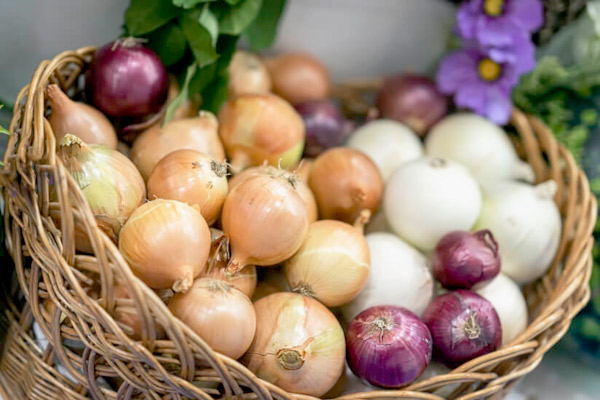
Onion (Allium cepa L.)
In various quantities and forms, fresh or processed, it is consumed by all nations. Worldwide, it is used as a raw ingredient in salads and/or in the preparation of various dishes for its aroma and taste. In addition to its pungent taste, onion is very low in calories (only 40 kilocalories per 100 g). It contains primarily water (89%), carbohydrates (9%), fiber (1.7%), protein (1.1%), sugar (4.2%), and fat (0.1%). It contains a unique combination of fructans, flavonoids, and organosulfur compounds, which exhibit strong beneficial effects on human health. Fructans contribute to colon health. High concentrations of flavonoids and quercetin suggest improved lipid profiles and antioxidant levels, thereby significantly reducing the risk of cardiovascular diseases. According to economic qualities and some biological characteristics, onion varieties existing in our country are divided into three types – pungent; semi-pungent and sweet.
Global onion production is about 106 million metric tons, making it the second most cultivated vegetable crop after tomatoes. According to statistics from the Food and Agriculture Organization (FAOSTAT. Onion Production, 2021), onion production accounts for 9% of total vegetable production worldwide. India is the largest producer of onions in the world, followed by China, Egypt, the USA, and Turkey.
Although onions have good nutritional properties, their nutritional stability largely depends on storage conditions – suitable facilities and perfect ventilation are necessary. As a semi-perishable crop, it is prone to significant losses during storage. These are mainly due to physiological weight loss, rot, sprouting, and rooting. Rot during storage is influenced by various factors, including varieties, bulb maturity, moisture content, and storage environment. Post-harvest diseases are primarily caused by bacterial and fungal pathogens and pose a serious threat to production. Microbial contamination and mechanical damage during transportation further lead to a 20-30% loss after harvest. Registered bactericides and fungicides exist to prevent onion diseases after harvest, but there is also a demand for more ecological treatments during this period. New good varieties and strategies to increase yield are already being implemented in production, but good practices for its post-harvest storage are still scarce. It is estimated that 30-40% of produced onions do not reach consumers because their quality deteriorates mainly during storage. Among the numerous reasons, physiological weight loss, rot losses, and sprouting losses due to poor storage facilities are considered the main factors contributing to post-harvest losses. The inherent perishability of onions leads to their limited shelf life, which is largely due to diverse operational approaches before and after harvest, including variety, intercropping practices, maturity, harvest time, processing environment, and storage. Knowledge of the respiratory dynamics of onions during storage is crucial for optimizing post-harvest management and minimizing losses due to diseases. The respiration rate of onions is a key physiological parameter that reflects the metabolic activity of the bulbs during storage. It is influenced by factors such as temperature, humidity, and storage conditions. Monitoring and controlling the respiration rate are essential for extending onion shelf life and preserving its quality. Storage diseases, including bacterial and fungal infections, represent a significant challenge for onion storage.
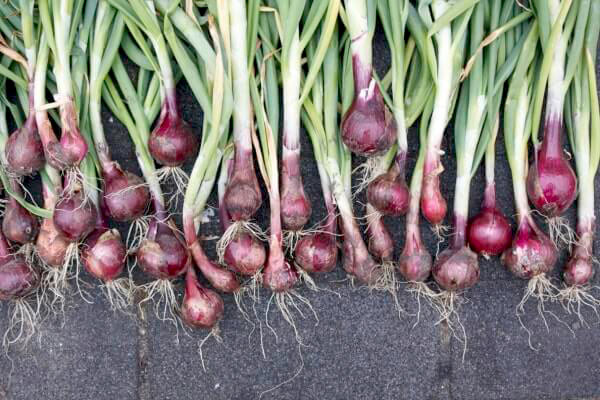
Onions can be stored for up to 8 to 10 months, provided that:
- The crop is properly treated during and after harvest to prevent sprouting;
- Growing conditions also affect onion quality during storage;
- Typically, onions grown in cool temperate climates store for longer periods than onions grown under irrigation in hot climates;
- Prolonged periods of high humidity within 4 to 6 weeks before harvest promote storage rot caused by Aspergillus and Penicillium spp., especially in hot regions.
Other factors that increase the risk of storage damage include:
- high plant density in the field;
- prolonged periods of high humidity during crop maturation;
- damage caused by diseases and pests before harvest;
- insufficient curing of bulbs before harvest;
- leaving mature bulbs in the field for too long;
- injury during harvest and sorting;
- high temperature and humidity during storage;
Soil containing bacteria and fungal spores should be washed or blown off the neck area or base of the bulbs.
There are no registered fungicides for post-harvest treatment of onions.
General control measures should include:
- Proper crop rotation;
- Good cultivation practices and disposal of plant residues;
- Bulbs should be turned frequently during field curing;
- Careful handling of bulbs during harvest to minimize damage from injury;
- Keeping bulbs consistently dry after harvest;
- Maintaining good ventilation, low temperatures below 20°C, and low relative humidity (below 80%) during storage.
Onions should not be stored together with potatoes. They release moisture and ethylene gas, which can provoke sprouting and faster spoilage.
Main Onion Storage Diseases
Storage rot is caused by fungi and bacteria that live on organic matter and onion residues in the soil. These organisms are common in the soil and become a major problem wherever onions are grown on short rotation.
Main onion storage diseases include: bacterial rot; black mold; blue-green mold; Fusarium rot; neck rot.
Bacterial Rot

Symptoms include a strong-smelling watery rot of the bulbs. They may appear healthy, but when cut, the inner scales are brown and water-soaked. If pressure is applied, the inner core can be squeezed out of the bulb. Infected bulbs quickly rot. It is caused by the bacteria Pseudomonas viridiflava and Erwinia spp.
Black Mold. Symptoms include a sooty-black spore mass that usually develops under the surface scales. It is more common than blue-green mold. Black mold appears similarly to blue-green mold, and often both occur together. It is caused by the fungus Aspergillus spp. Hot weather in the field and during storage favors the development and rapid spread of this disease. The ideal environment for black mold includes temperatures above 30°C with high relative humidity.
Blue-Green Mold
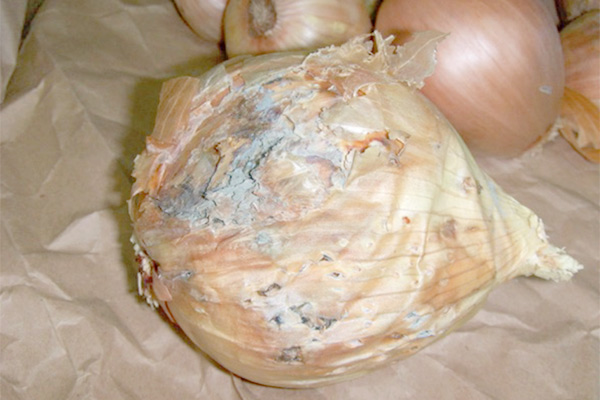
Symptoms include a blue-green powdery spore mass that develops under the surface scales when the weather is humid before harvest. Blue-green mold is caused by Penicillium spp. In storage, the disease develops rapidly, especially under moist conditions, when a loose green, felt-like growth appears in the neck and on both surfaces of the outer scales.
Fusarium Rot. Symptoms include the appearance of white fluffy mycelium and soft rot at the base or neck of the onion. The disease is caused by Fusarium spp. It usually causes minor losses, but a rotten bulb in bags can lead to the deterioration of other bulbs. Under warm conditions from 28°C to 32°C, rot usually begins in the field at the base of the bulbs and subsequently penetrates them, causing soft watery rot. This is often confused with bacterial rot.
Neck Rot

Symptoms include: a powdery gray spore mass developing in the neck of the bulb; softening of the neck; sometimes black structures – sclerotia, up to 1.5 cm in diameter, form under the scales. A soft brown rot develops, which spreads into the bulb. The fungus causing the disease (Botrytis spp.) is seed-borne. It is inactive during the crop growth stages and shows no visible symptoms of neck rot until the onions have been stored for 8 to 10 weeks.
Onion Storage Pests
Onion Fly (Delia antique)
This pest is widespread. It attacks onions even in the seedling phase and throughout the entire growing season. Damage is caused by the larvae. They burrow into young plants and bulbs above the base. They damage the base of the leaves. They create longitudinal tunnels in the stems and move towards the bulb. Damaged plants lag in development, fade, collapse, and eventually dry out. The oldest leaves turn yellow, wilt, and break.
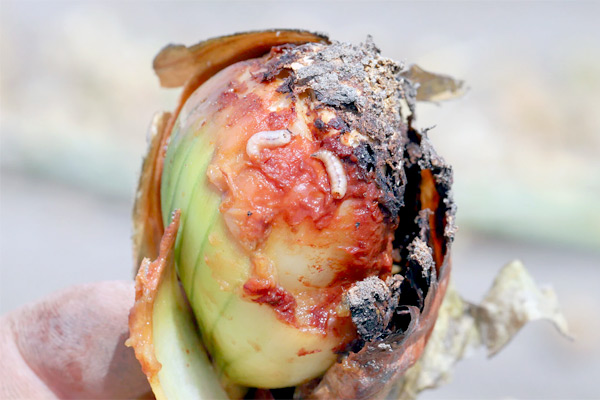
The onion fly causes storage rot in mature bulbs. Damage from this pest leads to the secondary development of putrefactive processes. Damaged bulbs in storage emit an unpleasant smell of rotten onions.
Onion Thrips (Thrips tabaci). A widespread omnivorous pest. It attacks the crop from the seedling stage to reproductive organs. Infestation leads to leaf deformations and stunted growth. Bulbs have reduced weight and are susceptible to various fungal and bacterial pathogens.
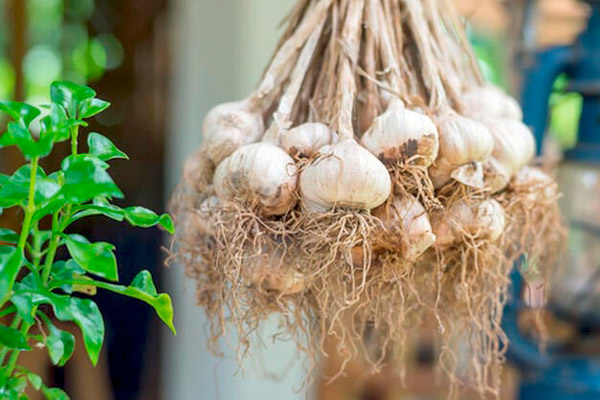
Garlic (Allium sativum L.) plays a crucial role in global agriculture due to its culinary and medicinal applications. It has more limited economic importance than onions and is primarily used as a spice. The aerial parts of the plant are sometimes used for food, especially when tender and young. Raw garlic has a characteristic strong pungent odor, which softens significantly with thermal processing. Common garlic in our country is grown in two forms: winter and summer. As with other bulb species, significant storage losses are recorded for garlic, related to humidity, temperature fluctuations, and attacks by diseases and pests. With proper storage and appropriate processing, these losses can be reduced. Conventional methods such as curing, dehydration, cryopreservation, and vacuum sealing still record up to 25-40% losses during storage. Factors and causes of losses can be biological - microbial infections, pest infestations, and premature sprouting, which cause rot and deformities. There are also physical factors - mechanical damage, inadequate curing, temperature fluctuations, humidity, and prolonged light exposure, which also degrade product quality. To minimize losses, thermal and non-thermal technologies are applied, such as irradiation, ozone treatment, nanotechnologies, edible coatings and films. Irradiation is effective against pathogens but can lead to nutrient loss; ozone treatment provides microbial control with minimal residues; nanotechnologies and edible coatings help extend shelf life by reducing microbial growth and moisture loss, taking into account their safety for consumers.
Garlic is cultivated in temperate climate zones worldwide. According to FAOSTAT, global garlic production in 2023 is estimated at approximately 28 million tons, grown on approximately 1.6 million hectares with an average yield of 17 tons per hectare. Leading garlic producing countries are China, India, Bangladesh, and Egypt. China and India are major contributors to global production, accounting for approximately 80% of the total yield. Garlic is an important ingredient in various culinary foods due to its distinctive flavor profile and aromatic characteristics. In medicine, it is highly valued for its medicinal properties. It is effective in lowering blood pressure in hypertension, reducing cholesterol levels, and improving blood sugar control in diabetes. It is a rich source of fiber, adenosine, pectin, fructan, carbohydrates, essential amino acids, nicotinic acid, phospholipids, prostaglandins, lectins, enzymes, vitamins (C, E, B1, B2, and B6), minerals (P, Zn, Se, K, Fe, Mg, Ca, and Na), and contains approximately 33 different sulfur compounds responsible for its unique organoleptic properties.
The main bioactive compounds found in garlic are allicin or diallyl thiosulfate, which have strong antimicrobial properties.
To meet local and international market demands, a significant volume of mature garlic is usually stored. Conventional storage methods often cannot ensure the required product quality, leading to significant losses during storage. The high moisture content in fresh garlic cloves (over 75%) is responsible for rapid sprouting and spoilage during storage. As a result, garlic's shelf life is reduced, causing significant economic losses for producers and traders. The main reasons for post-harvest garlic losses are physical damage, improper storage technology, physiological disorders, damage from pathogens and pests, and a lack of quality control measures, leading to product loss, reduced nutritional value, and a short storage period.
Diseases
Several pathogenic fungi degrade garlic quality during storage. Often these diseases are a complex of more than one type.
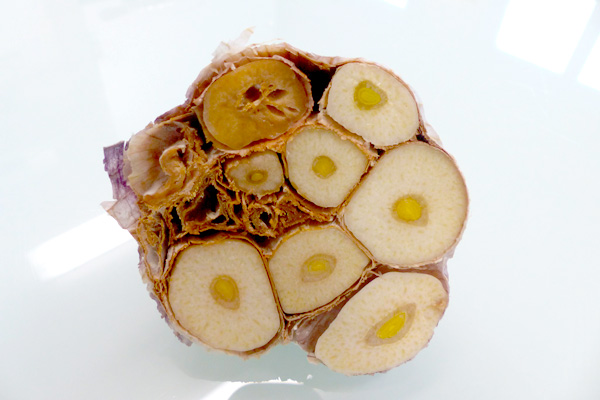
Bulb rot, caused by Fusarium proliferatum, is a relatively new disease. The main symptoms begin as watery damage, starting from the tip towards the base of the bulb. White mycelium may appear. As the disease progresses, infected bulbs dry out and shrivel. They have poor germination and should not be used for planting. If one clove in a bulb is diseased, the others are likely also infected. It is best not to use them for planting. In infected cloves, the pathogen F. proliferatum produces various mycotoxins, and they should not be sold or consumed.
Basal rot of garlic is caused by Fusarium oxysporum f.sp. cepae and F. culmorum. It affects the basal plate, which is located between the roots and the cloves. Symptoms are similar to onion rot, but in garlic, it develops from the basal plate upwards, while in onions it is the reverse. During storage, concave yellow-brown rotting lesions are observed on the cloves of diseased bulbs. In the initial stages, the bulbs are soft, brown, and watery, which is visible on a cross-section. White, light pink, or reddish mycelium may appear on the surface of the cloves or in the rotted cavities. Tissue disintegration follows. Cloves become shriveled and small. Such symptoms may be observed on single, several, or all cloves in the garlic head. The disease is serious because it can persist in the soil for years. Allium crops should not be planted for at least four years in areas where it has been detected. It is possible for cloves from infected bulbs to show no symptoms, but they should not be used for planting. Such heads should not be marketed or consumed because many strains of F. oxysporum and F. сulmorum produce dangerous mycotoxins.
Black mold is caused by Aspergillus niger and A. ochraceus. Both species are saprophytes and colonize dead tissues. Any crop residues in the field can host this mold. Mechanical damage during harvest is the most common opportunity for Aspergillus to enter bulbs, where it then reproduces on the scales if the produce is stored under moist conditions.
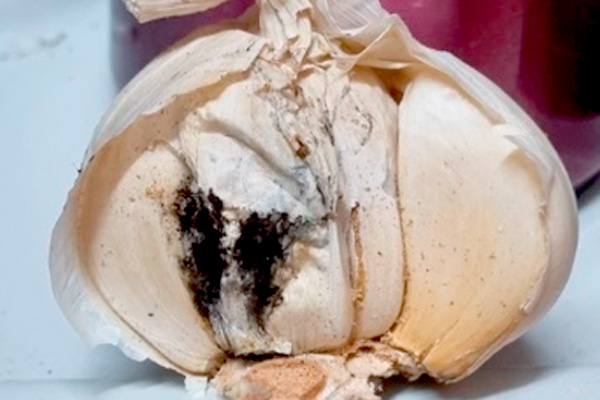
Typical symptoms include the presence of black powder (spores) between the outer scales. Garlic heads infected with black mold should not be used for planting. They should not be offered for trade and consumption because some strains of Aspergillus niger also produce toxins that can be dangerous to humans.
Neck rot is caused by Botrytis porri. Infection begins near the soil surface. The fungus continues to develop inwards into the bulb, leading to dry rot during storage. Cloves from infected bulbs should not be used for planting. They should not be offered for trade and consumption. Although no mycotoxins have been reported, inhaling spores can cause hay fever, asthma, and serious eye infections.
The cause of blue mold is Penicillium hirsutum and Penicillium allii, which are commonly found in stored garlic heads. On infected parts, watery areas are initially observed on the outer surface of the scales. Later, blue-green powdery mold forms in these areas, and the infected clove rots. The fungus does not survive long in the soil. It penetrates the cloves through mechanical damage, which is why care must be taken during harvesting and storage. Storing garlic at low temperatures (below 4.5oC), low humidity, and good ventilation prevents the growth and sporulation of Penicillium. Infected cloves are a source of inoculum for healthy ones and for the next growing season. Some Penicillium species produce mycotoxins, so infected cloves should not be consumed.
White rot (Sclerotium cepivorum) occurs in garlic and can be a very destructive disease for all Allium species.
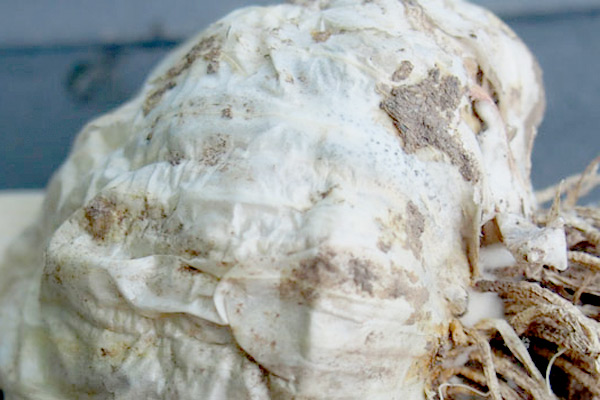
Characteristic symptoms include the presence of white fluffy mycelium and soft rot at the base of infected garlic heads. Later, small, black sclerotia, 0.2 – 0.5 mm in size, form in the attacked tissues. Heavily infected plants can be easily pulled out, as the heads and roots are destroyed by the pathogen. Initial infection begins late in the season. It may remain unnoticed during harvest and only be detected during storage. Sclerotia persist in a dormant state in infected soil for 10-15 years. High humidity and low soil temperatures favor the germination of sclerotia and root infection.
Pests
Onion mite (Rhizoglyphus echinopus) develops on rotting organic matter in the field. These non-insect pests feed on the roots and basal plate of garlic bulbs.
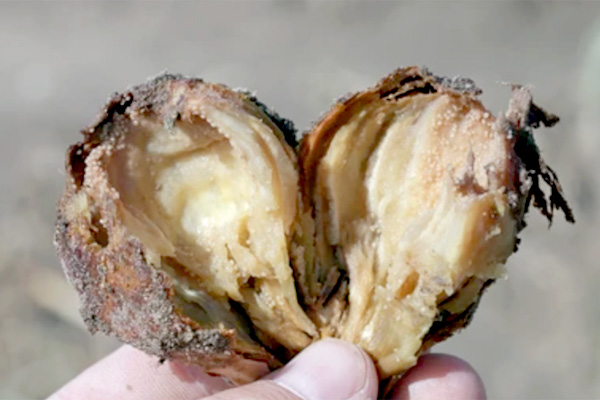
Damage caused by onion mite (Rhizoglyphus echinopus)
They can damage not only garlic but also onions. When feeding during storage, they cause sunken yellowish-brown spots on the cloves. The damage caused by them becomes an entry point for fungal pathogens (Fusarium and Penicillium) and bacterial rot agents both in the field and during storage. Onion mites can overwinter in the field and survive during storage at low temperatures. Heavily mite-infested cloves should not be planted in the field.
Onion stem nematode (Ditylenchus dipsaci) is widespread globally. In our country, it is found in areas where garlic is grown. It also attacks onions and leeks, but losses are more limited. It is difficult to detect with the naked eye. It can be a limiting factor for successful garlic cultivation. The onion nematode develops three, and with later harvesting of garlic, four generations. It overwinters in the soil or in infected parts of plants. On above-ground parts, it causes stem distortion, thickening, and deformation, and leaf chlorosis. Infested plants lag in development, have a yellowish color, and have shortened stems and leaves. In garlic, individual cloves are widely spaced, yellowish, and have an unpleasant odor. In onions, the outer scales are thickened and cracked. A cross-section reveals rings of brownish scales.
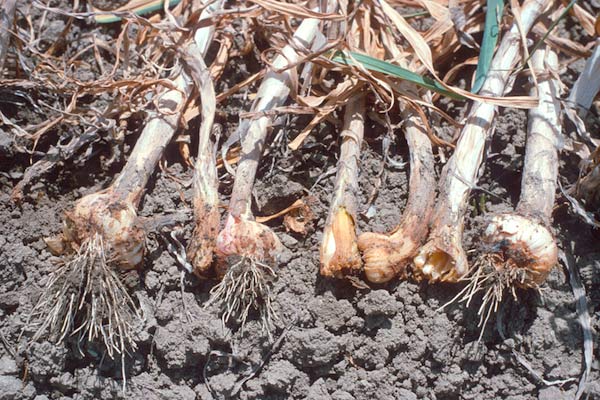
Damage from onion stem nematode (Ditylenchus dipsaci)
Infected bulbs have fewer roots, dry out, shrink, and become lighter. They rot at the base and contain many secondary pathogenic microorganisms (bacteria, fungi). Soil where onion nematode infestation has been detected should not be planted with allium crops for at least four years.
Garlic Fly (Suillia lurida).
It attacks winter garlic and onions planted from sets in the autumn. Damage is caused by the larvae. Initially, they chew a short strip along the central leaf, which widens downwards. As a result of the damage, the tip of the leaf withers and later curls spirally. The larvae continue to destroy the youngest underdeveloped leaves and move towards the bulb, in which they make tunnels. Damaged plants lag in development, turn yellow, and wilt. Weaker plants die, while better developed ones remain with a hollow stem and a soft bulb.
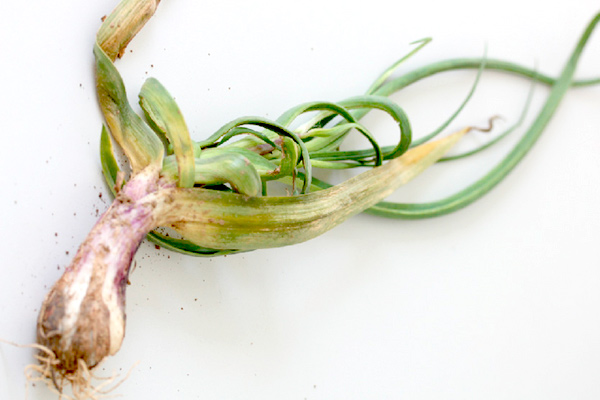
Damage from garlic fly (Suillia lurida)
When pulled out, infected plants break. Only one larva develops per plant.
Various drying techniques can reduce water content by approximately 90%, leading to reduced spoilage, minimization of degradation reactions, and reduced transportation costs. Ozone has been found to be a viable, economical, and convenient alternative to traditional storage methods. New ecological post-harvest technologies, such as edible coatings, ultrasound, plasma treatment, modified atmosphere packaging (MAP), controlled atmosphere storage (CAS), high-pressure processing (HPP), irradiation, vacuum packaging, use of natural preservatives, smart packaging, and micro/nanotechnologies offer significant potential for reducing post-harvest losses and improving the nutritional content of fresh produce.
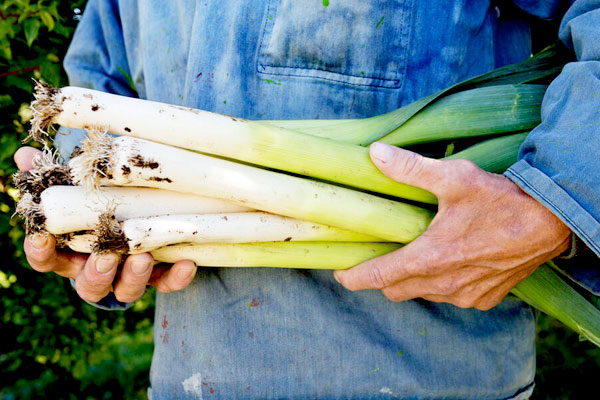
Leek (Allium porrum L.) is a crop very similar to onion. It has a mild taste and can be served raw or cooked. The part of the leek that is usually consumed is the white, lower stem. The green parts are edible but generally not used. Leeks have pronounced antioxidant properties. They help improve liver and gastrointestinal tract functions and reduce blood pressure. The most common leek cultivar types are: early, mid-early, and late autumn. Leeks grow very well in cool climates and can be successfully grown in most soils, as long as they are rich in organic matter and well-drained. Soil pH requirements are between 5.5 and 7.0. It develops and grows optimally at temperatures between 18-21°C with 8 hours of bright sunlight.
Areas planted with leeks are much smaller compared to those with onions. This crop is grown in all regions of the country. It contains less essential oil than onions and garlic, and therefore is less pungent, has a more pleasant taste, and can be consumed in larger quantities. There are two groups of leek varieties – "European" with a short false stem (15-25 cm) and "Bulgarian" with a long false stem over 45-50 cm. In our country, two main varieties from the second group are common: Staro Zagorski Kamush and Staro Zagorski 72.
After harvesting from the field, leeks can be stored in the refrigerator. Then they will continue to grow slowly. They can be left in the field and harvested as needed until late autumn. If temperatures start to drop significantly below freezing, some protective measures should be taken. Leeks can be stored commercially for 2 to 3 months at 0oC and high humidity to prevent wilting. When harvested from beds, leeks can be stored for 7 to 10 days in a refrigerator with optimal taste preserved.
Leeks are attacked by almost the same diseases and pests that affect onions.
Pests that attack leeks during vegetation do not cause additional damage during storage. However, the openings they leave behind can become entry points for secondary pathogens that cause rot.
Diseases
Gray Mold Botrytis squamosa
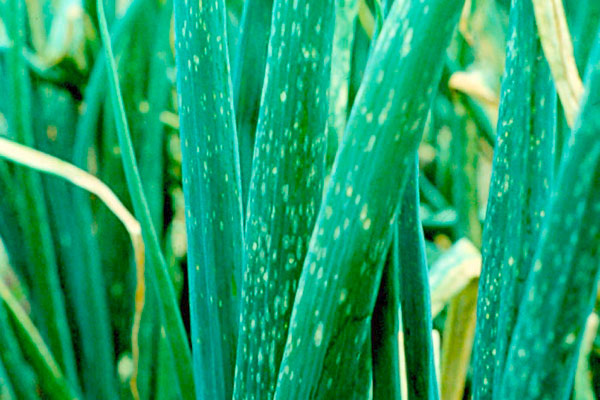
During vegetation, small, white lesions with a light green halo are observed on leek leaves, which subsequently grow. During prolonged periods of high humidity, the fungus develops rapidly and can cause leaf rot. The onset of the disease is favored by high humidity and high temperatures. The pathogen survives on leek plant residues or in the soil. Older leaves are more susceptible to infection than younger ones.
If diseased plants are harvested together with healthy plants, the pathogen passes from the diseased to the healthy plant and causes infections under storage conditions. Therefore, during vegetation, the appearance of gray mold is monitored, and treatments with appropriate plant protection products are carried out. Only healthy plants are selected for storage.
White (neck) rot Sclerotinia cepivorum. Old leaves turn yellow. Delayed growth is observed. All leaves may die. A fluffy white mycelium is observed at the base of the bulb, spreading upwards to the leaves during storage. The fungus survives in the soil for 20 years and is one of the most damaging diseases for allium crops worldwide, causing significant losses both during vegetation and in storage.
Fungicide treatment is not sufficiently effective for controlling white rot under conditions favorable for pathogen development. Agronomic methods should be emphasized – avoiding the transfer of soil or plant material between plots; implementing long-term crop rotations without allium crops.
Pests
Allium Leaf Miner (Napomyza gymnostoma). Damages allium crops, but the largest and most noticeable damage is to leeks. The leaf miner develops 3-4 generations annually. It overwinters as a pupa in leek stems, located at the end of the mine, and very rarely in the soil beneath the plant. Damage is detected in most cases after crop harvest. In the area of the false stem, on the outer 3-4 leaves, almost straight mines are observed, directed towards the base. As the stems grow, those of damaged plants crack lengthwise, and pathogens enter through the cracks, causing rot.
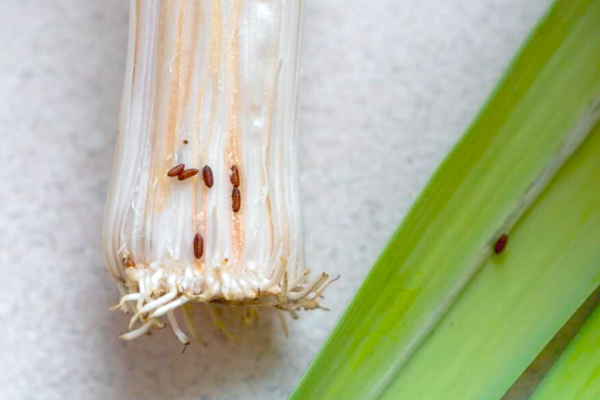
Sometimes the false stem of leeks with damage from the fly turns pink and rots during storage. In the stems of heavily infested plants, 5 to 15 larvae and pupae can be found.
For successful control of pests in allium crops, good sanitary practices must be followed, including: removing infected heads at the end of the season, removing volunteer plants from the Allium family, and treating with appropriate aerosol or granular insecticides.
Extending the storage life of allium crops is a complex process. It depends on many factors both before and after harvest, including the conditions under which the plants develop and how they are handled. Control of temperature, humidity, disease and pest management, and post-harvest treatment are essential. This indicates that allium crops go through phases that begin in the field and end with the consumer.
References
- Suravi T., I, K. Hasan, I. Jahan, J. Shopan, M. Saha, B. Debnath, G. Ahammed, 2024. An update on post-harvest losses of onion and employed strategies for remedy, Scentia Horticulturae2024. v. 338
- Gillis-Madden R., RehmenS., Hildebrand P.D., 2020. Garlic storage, post-harvest diseases, and planting stock considerations, Fact Sheet, April 2020.
- Rasa Creek farm. (n.d.) Diseases and pests of garlic. Retrieved from http://www.rasacreekfarm.com/how-to-grow-garlic/garlic-diseases-and-pests.
- Lang K., Leeks: Harvest and Storage, 03.2025.
- Baharyiev, D., Velev B., Stefanov S., Loginova E. 1992. Diseases, Weeds, and Pests of Vegetable Crops, Zemizdat.