

![MultipartFile resource [file_data]](/assets/img/articles/заглавна-август-2025-арония.jpg)
In August, the growth of the shoots has been completed. The fruits of the autumn varieties of apples, pears and peaches are intensively increasing in size, in parallel with which the process of differentiation of the fruit buds takes place. The trees are being supplied with reserve nutrients.
The agrometeorological conditions during the month will be determined by temperatures around and above the climatic norms. In August, maximum temperatures in the range of 35-40ºC are forecast. The limiting factor for crop development during the month remains the deficit of soil moisture.
At the beginning of the second ten-day period, the weather will remain predominantly sunny, with high cloudiness in the afternoon. Temperatures will be close to the climatic norm — between 31 and 34°C. It will be windy in the Danube Plain. Around 13–15 and 17-22 August the passage of a new cold front is expected, which will lead to a decrease in temperatures, as well as to precipitation and thunderstorms. After the brief cooling, until the end of the ten-day period there will again be warming, but with an increased probability of afternoon precipitation. Towards the end of the month a lasting decrease in temperatures is expected.
During most days of August, the forecast relatively dry weather will require the application of increased irrigation rates for the later varieties of fruit trees.
In fruit tree nurseries
Seedbeds are cultivated and irrigated.
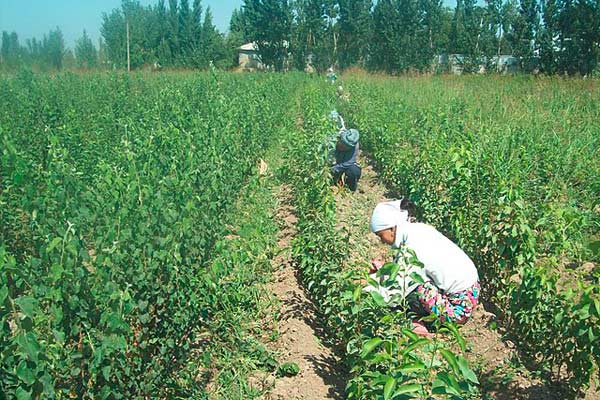
Budding of rootstocks
In first-year nursery beds, budding of the rootstocks continues. In second-year nursery beds, if necessary, the last disbudding of the rootstocks below the budding point is carried out.
Mother plantations are inspected and all off-types are uprooted. The places are promptly filled with plants of the main species.
By the end of August, trees of apple, pear, peach and cherry can be grafted. During the second and third ten-day periods of the month, grafting of quince begins.
The rootstocks budded in July are inspected and, in the case of good union of scion and rootstock, the bindings are removed.
In fruit tree orchards
Soil moisture is monitored and irrigation is carried out when necessary. After rain or irrigation, shallow soil cultivation is performed to break up the formed crust.
Mechanical weed control is carried out in the inter-rows, if they are not sodded, and in the tree-row strips.
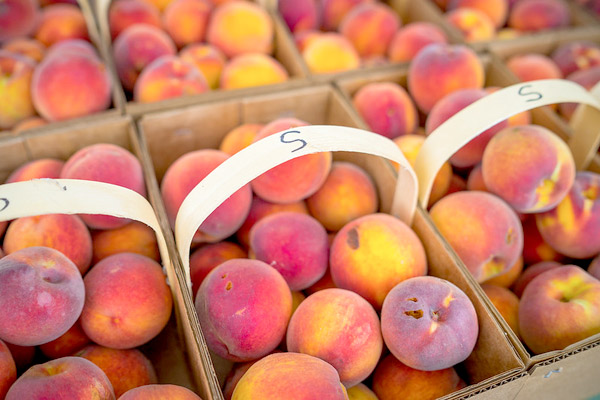
Harvesting of peaches and of the early varieties of apples, pears and plums continues. At the end of the month, the fruits of some early varieties of walnut are also harvested.
The necessary organisational work is carried out to prepare for the harvesting of the medium-early and late varieties of apples, pears and plums.
Fruit storages are disinfected and prepared for receiving the new production. Machines for fruit grading are repaired and prepared for operation.
Pre-planting preparation of the areas for establishing new orchards begins – deep ploughing, basic fertilisation and levelling.
In strawberry plantations
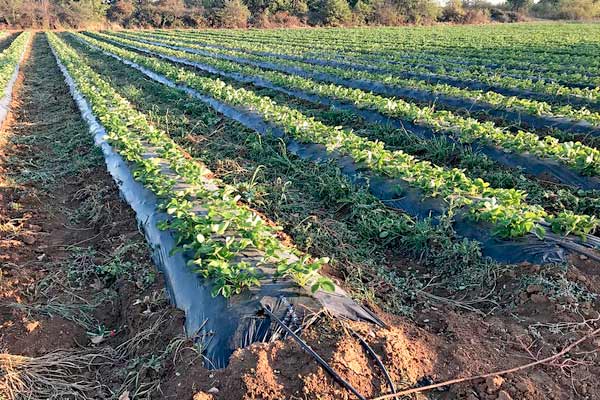
It is very important that all strawberry plantations are irrigated in a timely manner. Drying of the leaves must not be allowed. In August, the plants form the yield for the following year and an optimal water regime must be maintained. Depending on the age of the plantation and the soil type, 2-3 irrigations are carried out. The runners of plants from which no planting material is intended to be obtained are cut off.
Care is taken of the mother plantations – weed control, irrigation and soil cultivation.
Preparation of new areas for autumn planting of strawberries continues. In some higher regions, planting may begin.
In raspberry plantations
Care for newly established plantations continues – irrigation is carried out when necessary and, if weeds are present, cultivation is performed. Fruiting plantations are irrigated so that the fruits can increase in size and flower buds for the next crop can be formed. Towards the end of the month, irrigations are stopped so that the new replacement canes can mature.
Care for the mother plantations continues – irrigation, top-dressing with nitrogen fertilisers and cultivations. Towards the end of August, irrigations are discontinued so that the canes can mature.
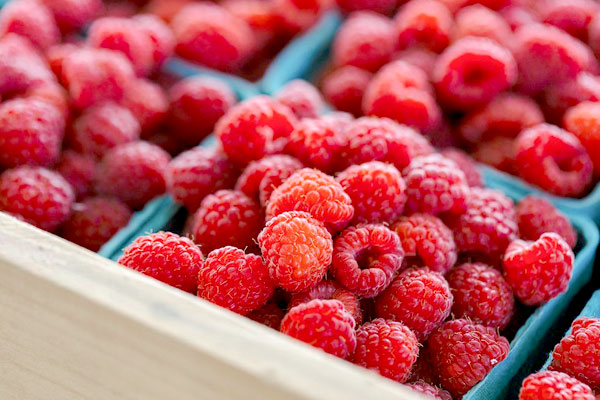
Harvesting continues. By the end of the month, all fruiting canes are cut out, removed and burned.
Sites for the new plantations to be established in autumn are being prepared. The soil is fertilised with 3-5 t of farmyard manure, 80-100 kg of superphosphate (or the same amount of another phosphorus-based fertiliser), 25-30 kg of potassium sulphate (or the same amount of another potassium-based fertiliser) per decare.
In blackcurrant plantations
Care for stoolbeds and young plantations continues. Drying out and weed infestation of the soil is not allowed. In case of weak growth of the plants in the stoolbeds and young plantations, top-dressing with 10-15 kg of ammonium nitrate (or the same amount of another nitrogen-based fertiliser) per decare is carried out.
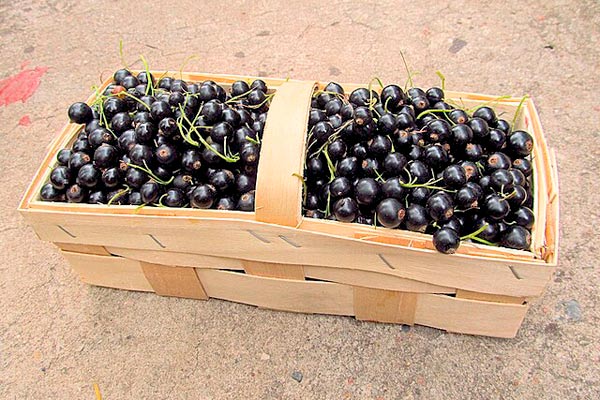
Harvesting of fruits in higher locations is completed. Plantations are irrigated and regularly cultivated.
In plantations with other crops
Summer budding of rootstocks for persimmon, actinidia (kiwi), jujube and pistachio is carried out. 5-6 days before grafting, the nursery is abundantly irrigated for better bark slipping.
3-5 days before budding, scions are collected and kept in the shade in a cool room.
The take of the budded plants of persimmon and others is checked.
Lemon is budded with a dormant bud. Lemon seedlings are abundantly irrigated one week before grafting and immediately after it.
Marking of the desired varieties and forms of fig, pomegranate, etc. continues.
Rooting of green cuttings of actinidia, chokeberry, sea buckthorn and pomegranate continues.
Care for irrigation and hoeing of plantations with southern crops continues, with particular attention being paid to newly established ones.
Harvesting of fruits from fig, sea buckthorn and chokeberry continues.