

![MultipartFile resource [file_data]](/assets/img/articles/заглавна-ipm.jpg)
Integrated Pest Management (IPM - Integrated Pest Management) is a comprehensive, ecological approach to pest management in agricultural systems. It involves the strategic integration of multiple control methods - cultural, biological, and chemical practices - to keep pest populations below the economic damage threshold. As a result, environmental and human health risks are minimized. IPM pays particular attention to preventive measures, monitoring, and decisions based on established damage thresholds. The main principles of IPM include preventing pest problems through cultural practices such as crop rotation; continuous monitoring of pest populations and their natural enemies; using economic damage thresholds when making management decisions; applying a combination of biological, physical, and chemical control methods; assessing the effectiveness of treatments carried out.By incorporating multidisciplinary knowledge and a systems-based approach, IPM aims to optimize agricultural production, preserving ecosystem services and mitigating the harmful consequences of conventional pesticide application.
Sustainable pest control practices within IPM are crucial for addressing the challenges posed by the growing need for food, the conservation of national bio-resources, and the mitigation of adverse effects of climate change. Conventional pest control practices, involving the intensive use of pesticides, lead to numerous ecological, economic, and social challenges. These include the emergence of pesticide resistance, disruption of beneficial macrobioagent communities, soil and water contamination, and potential exposure of workers and consumers to dangerous chemicals. Conversely, IPM offers a more sustainable model for pest control, limiting pesticide treatments to economically and ecologically justified thresholds. By reducing reliance on chemical pesticides, IPM promotes biodiversity and ecosystem conservation, strengthens the stability of agricultural systems, brings economic benefits to farmers through reduced input costs and increased yields, while simultaneously enhancing food safety and product quality for consumers.
IPM not only addresses the direct impact of pests on cultivated plants but also contributes to sustainable development, including the conservation of natural resources, the protection of public health, and the promotion of social and economic well-being.
Main principles of Integrated Pest Management:
1. Bioecocenological approach. The agrobiocenosis is a living organism. The relationships between its components are dynamic. The introduction of IPM aims to preserve biological balance in ecosystems, based on the antagonistic relationships between harmful and beneficial organisms. The focus is on control, not eradication of the pest. Complete destruction of pests is impossible, and such an attempt can be expensive and dangerous for the environment.
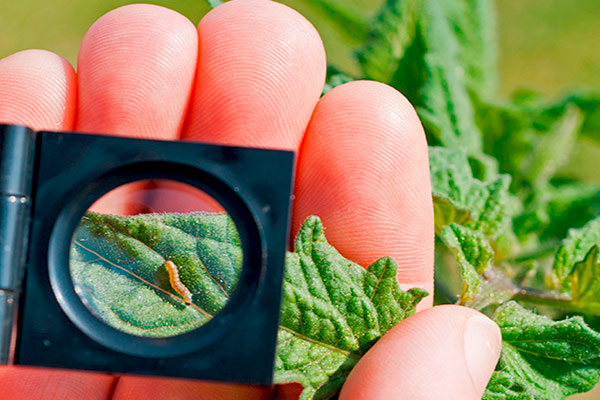
Under this program, control begins with establishing Economic Injury Levels (EILs). The selection and application of control measures follow. These thresholds include not only pests but also the specific location they refer to, as they may vary for different regions. By maintaining pest populations at an acceptable level, selective pressure is eliminated. This reduces the risk of developing resistance to chemical plant protection products (PPPs).
2. Economic approach. In the pathosystem or pest/crop combination, it is important to assess damage and action thresholds. The action threshold is the maximum level of disease or pest development below which losses have no economic significance. Upon reaching it, actions must be taken to prevent epiphytotic or calamitous multiplication. This threshold is an important tool in integrated control and can vary depending on the efficacy of control alternatives and their duration of action.
3. Proper selection of chemical agents. IPM uses selective pesticides that are toxic to pests and non-toxic or weakly toxic to beneficial species. Selectivity can be: Physiological - determined by the active structure of the PPP and its mechanism of action; Ecological - determined by the biology and ecology of pests and beneficial species; Technological - determined by the methods and approaches of treatment (local treatment, application with drip irrigation systems, fertigation, seed treatment, use of granular PPPs, pesticide mixtures, reduced doses in combination with microbial preparations). Risk assessment for the application of chemical PPPs in IPM programs is determined by: characterization and identification of biological control agents; health risks; environmental risks; PPP efficacy. IPM uses the most selective pesticides that will fulfill their purpose while being safest for beneficial species, air, soil, and water quality; local, not total, treatments are carried out, and low-volume spraying is applied.
Components of IPM
IPM relies on a combination of strategies, including prevention and cultural control methods, monitoring and decision-making tools, biological and chemical control. Prevention and cultural control methods include crop rotation, keeping crops free of weeds, intercropping, and using resistant varieties. The goal is to create conditions that are less favorable for the development of pest populations. Monitoring and decision-making tools (EILs, scouting, and sampling techniques) help farmers assess pest populations and determine when intervention is necessary. Biological control methods, including the use of natural enemies, conservation and augmentation of beneficial species, genetic control, and classical biological control, harness the power of predators/parasites to keep pest populations in check. Chemical intervention methods (biopesticides, selective/targeted pesticide use, and nanotechnologies) are used judiciously to control pests when other methods are insufficient. By integrating these diverse strategies, IPM can successfully manage pests by reducing public health and environmental risks.
- Prevention and Cultural Control Methods
Crop rotation is a fundamental strategy for preventive pest management within IPM. It involves sequentially growing different crops in a given field during different growing seasons. The effectiveness of crop rotation in suppressing pest populations is due to the following mechanisms: spatiotemporal separation of host crops; inclusion of non-host crops that function as barriers or trap crops; stimulation of beneficial species by enhancing their biodiversity. The effectiveness of crop rotation as an IPM strategy depends on the judicious selection and organization of crops in a time sequence, the diversity of crops included in the rotation scheme, the duration of the rotation cycle, and the strategic inclusion of cover crops or green manures. It has been found that rotating non-host crops with host crops (vegetables) in a strategic rotational sequence effectively limits the frequency and harmful activity of soil-borne phytopathogens and plant-parasitic nematodes across a diverse spectrum of crops. The inclusion of leguminous crops in rotations can also suppress weed populations through allelopathic effects and competition for resources, while simultaneously improving soil fertility.
Spice crops in intercropping systems in vegetable production
Intercropping of different crops is an effective cultural control strategy. It involves the simultaneous cultivation of multiple crop species in a single field. This preventive practice is based on ecological interactions between different plant species to create agroecosystems that limit pest spread and promote the activity of natural enemies. The mechanisms of intercropping are complex. They encompass factors such as resource competition, physical barriers, allelopathy, and habitat manipulation. The effectiveness of intercropping as a pest management strategy depends on the judicious selection of companion crops, their precise spatial configuration, and the ideal timing for their establishment.
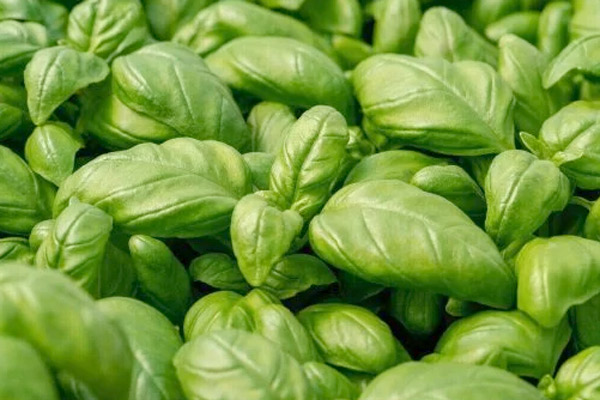
An example of such coexistence is the cultivation of aromatic plants like basil or mint as intercrops. These repel or mask volatile olfactory signals used by pests to locate their host plants, thereby reducing the rate of pest infestation. Besides their direct impact on pest populations, intercropping can also enhance the overall resilience and yield of agroecosystems by increasing soil fertility, optimizing water use efficiency, and reducing the influence of abiotic stressors.
Sanitation practices, which include the removal and destruction of pest-infested plant material, crop residues, and other sources of pest inoculum from fields and surrounding areas, are also cultural control practices. They reduce emerging pest populations and prevent their spread within and between growing seasons, thereby minimizing the need for remedial interventions. Beyond these field-level measures, sanitation practices also include cleaning and disinfection of agricultural equipment, storage facilities, and transport vehicles to limit the introduction and spread of pests from external sources.
Cultivating resistant varieties is a core strategy for cultural pest control. It harnesses the genetic diversity of crops to minimize the adverse effects of pests and diseases on cultivated crops. The use of resistant varieties in IPM programs aims to reduce reliance on pesticides, minimize yield losses, and improve the overall resilience of crops.
- Monitoring and Decision Making
Regular monitoring and sampling are fundamental for decision-making in IPM programs.
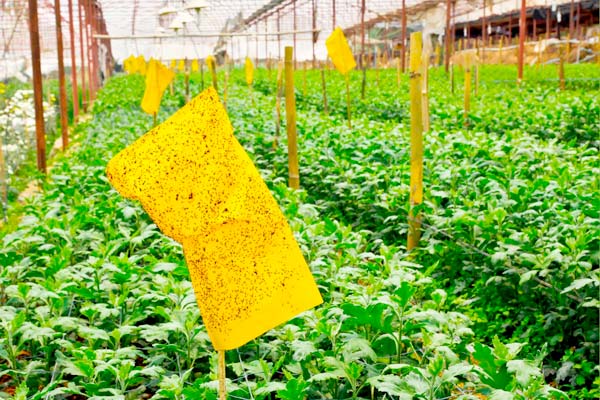
Various tools and techniques are also used to monitor pest populations and their adverse effects on cultivated plants, including: visual inspection, the use of protective nets for ventilators, sticky traps, pheromone traps, and remote sensing technologies. Remote sensing techniques include aerial photography, satellite imagery, and unmanned aerial vehicles. These are increasingly used to monitor crop status and detect pest outbreaks early across large spatial scales. The integration of various monitoring tools and techniques, combined with proper sampling, enables data-driven decisions regarding the necessity and timing of pest management interventions. As research related to artificial intelligence advances, possibilities for its use in IPM decision-making are being explored (for developing predictive models based on machine learning and neural networks, for optimizing monitoring infrastructure; for improving predictive models).
Economic injury thresholds are essential tools in making decisions about crop treatment. They determine when pest control measures are economically justified. This approach minimizes superfluous pesticide applications, reducing environmental impact and the economic burden associated with pest management.
- Biological Control
Natural enemies, including parasitoids, predators, and pathogens, represent a vital component of biological pest control within IPM programs.
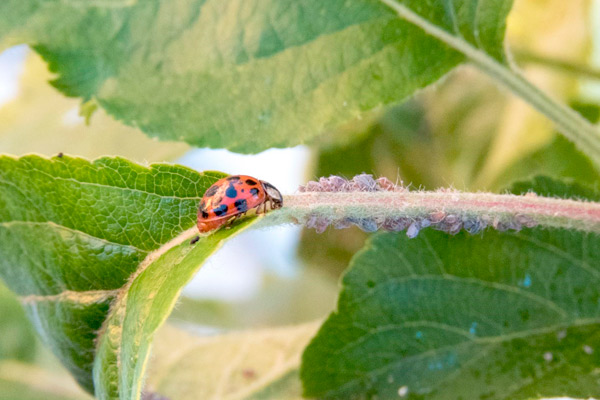
Such beneficial organisms can enable the regulation of pest populations through various mechanisms, including direct predation, parasitism, and infection, often keeping pest densities below economic injury thresholds. Successful integration of natural enemies into IPM requires a full understanding of their biology and interaction with target pests and the crop environment. The influence of predators on pest populations depends on their feeding rate, functional response, prey preferences, and other ecological components. Parasitoids are insects that lay their eggs in the host, eliminating it as the parasitoid larvae develop. Pathogens, including viruses, bacteria, microscopic fungi, and nematodes, infect and cause diseases in pest populations, leading to reduced growth, reproduction, and survival.
Classical biological control involves establishing natural enemies of pests. This strategy aims to achieve long-term and sustainable pest suppression by restoring the ecological balance between the pest and its natural predators in the area. This mitigates the adverse effects of invasive pests on agroecosystems. The selection of suitable natural enemies is based on the following criteria: host specificity, climatic adaptability, reproductive potential, and searching efficiency. Host specificity is important to minimize the risk of non-target effects on native species and to ensure the ecological safety of the biological control program.
The inclusion of natural enemies in IPM programs is based on the conservation and augmentation of existing populations and the introduction of new species through conservation biological control. It focuses on modifying the crop environment to favor the survival and efficacy of biological agents by providing alternative food sources, shelter, and overwintering sites. The conservation and augmentation of natural predators are two key strategies within the broader framework of biological control. Conservation and augmentation techniques are often used in conjunction with other IPM tactics, such as chemical and cultural control, to achieve sustainable and cost-effective pest management. This includes various practices, including providing alternative food sources, creating shelter for overwintering organisms, and minimizing broad-spectrum pesticide applications that can adversely affect beneficial organisms.
- Chemical Control
Among the various components of IPM, chemical control is the one that has undergone the latest and most recent updates. These include the latest advancements in selective and targeted pesticide use, resistance management, biopesticides and natural compounds, and the use of nanotechnologies.
- Selective and Targeted Use of Pesticides
The judicious and precise application of pesticides, targeted at specific pests, constitutes a vital element in IPM approaches, which emphasizes the strategic implementation of chemical control measures. This approach requires an in-depth understanding of pest life cycles, ecological interactions, and population fluctuations, as well as crop phenology and the complex relationships within agricultural ecosystems. Molecular research has significantly contributed to this endeavor by shedding light on the underlying mechanisms that determine insecticide selectivity.
- Resistance Management Strategies
These aim to prevent or delay the emergence of pesticide resistance in pest populations. The appearance of resistance is due to the selective pressure exerted by repeated pesticide applications, which favor the survival and reproduction of resistant individuals over susceptible ones. Rotating pesticides with different modes of action reduces selective pressure on specific resistance mechanisms and helps maintain a diverse genetic pool of susceptible individuals in the pest population. Applying pesticides at their full recommended doses is another important part of the resistance management strategy, as sublethal doses can facilitate the survival and reproduction of resistant individuals, thereby accelerating the onset of resistance.
- Biopesticides and Naturally Derived Products
Biopesticides and natural products offer more ecological and sustainable alternatives to conventional synthetic pesticides. Naturally derived products are extracted or isolated from natural materials and may undergo some chemical modification to enhance their efficacy or stability. Microbial pesticides originate from bacteria, fungi, viruses, and nematodes that are pathogenic to specific pest species. For example, products derived from Bacillus thuringiensis, which contain bacterial spores and crystalline proteins, are toxic to certain pests. Various formulations derived from the fungus Trichoderma viride and essential oils are active against pathogens that harm cultivated plants.
Active research is underway globally to discover and characterize new bioactive compounds from natural sources and optimize formulation and delivery systems.
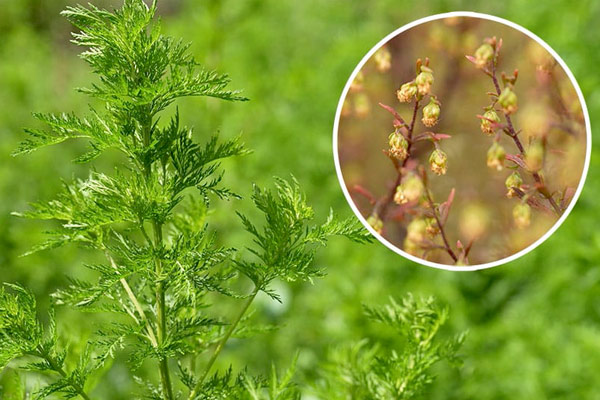
Common Wormwood (Artemisia absinthium) has been used as a medicinal plant since ancient times
In recent studies on phytotoxicity and entomotoxicity, essential oils from rosemary and artemisia were evaluated against the tomato pest Bemisia tabaci.
- Nanotechnologies.
Nanotechnologies are an emerging field with potential for designing new and improved chemical control tools within IPM. Nanopesticides offer several potential advantages over conventional pesticide formulations: increased efficacy, reduced environmental effects, and targeted delivery to predetermined pests or plant tissues. Examples of nanomaterials used in the preparation of nanopesticides include polymer nanoparticles, lipid-based nanocarriers, and inorganic nanoparticles such as silicon dioxide and titanium dioxide.
The development and treatment with nanopesticides in IPM require a multidisciplinary approach that combines expertise from fields such as chemistry, materials science, agronomy, toxicology, risk assessors, regulators, and social sciences. Current research priorities and activities in this area include the design and synthesis of new nanomaterials with specific functionalities, optimizing nanoformulations and delivery methods, and assessing their efficacy, safety, and environmental fate.

The use of neem extract is highly valued for its medicinal, cosmetic, and agricultural applications
A new biopesticide nanocomposite has been developed, encapsulating azadirachtin, a natural compound with insecticidal action extracted from neem tree seeds. It shows faster action and greater efficacy than conventional insecticides. Confocal microscopy reveals improved biodistribution within the insect body, and the nanocomposite shows enhanced UV stability due to its inherent nanostructure and vitamin E. This advancement in sustainable pest management highlights the potential for more environmentally friendly approaches to agricultural pest control through a combination of biotechnologies and nanotechnologies.
Benefits of IPM Systems Sustainability
They are expressed in several directions:
- Ecological Sustainability
By prioritizing non-chemical methods and judicious pesticide application based on EILs and pest monitoring, IPM aims to keep pest populations below economically damaging levels while minimizing reliance on chemical treatments. This approach leads to a reduction in the total volume of pesticides applied and encourages the use of selective and benign compounds, mitigating adverse impacts on non-target organisms, ecosystems, and human health. IPM employs a combined approach, blending cultural, biological, and physical control tactics, complemented by the strategic application of reduced-risk pesticides (i.e., biopesticides and naturally derived products). These alternatives, including microbioinsecticides, botanical extracts, and pheromones, exhibit lower toxicity, shorter persistence, and fewer off-target effects compared to typical synthetic pesticides. Their inclusion in IPM programs can enhance the overall sustainability of plant protection approaches by reducing environmental contamination risks, protecting natural enemies and wildlife, and promoting ecosystem resilience.
- Economic Sustainability
The economic benefits of IPM stem from reduced pest management costs, improved resource use efficiency, and increased profitability and competitiveness of agricultural production. IPM allows farmers to carefully assess the economic, environmental, and social consequences of various pest management techniques. Judicious use of pesticides, based on economic injury thresholds, pest monitoring, and decision support systems, can significantly reduce the amount of chemicals needed to keep pest populations below damaging levels. Alternative pest management (cultural control, biological control) provides cost-effective alternatives to chemical control. IPM also improves the economic efficiency of agricultural production by optimizing the use of resources such as land, water, and labor through precision farming techniques and integration with other sustainable agricultural practices. Crop losses due to pests represent a major constraint on agricultural productivity, with an estimated 40% of global crop production lost annually to pests.
- Social Sustainability
IPM can contribute to social sustainability by improving food safety and quality, which are essential aspects of human health and well-being. IPM practices prioritize the use of non-chemical pest control methods and the judicious use of pesticides, thereby reducing the potential for pesticide residues in food and associated consumer health risks. Furthermore, by reducing damage caused by pests and diseases, IPM can help maintain the nutritional value, appearance, and shelf life of agricultural products, further enhancing their quality and marketability. Through it, food safety can be improved by minimizing the risk of foodborne illnesses associated with microbial contamination.
Challenges and Opportunities
Despite the well-established significance of IPM for environmental, economic, and social sustainability, various barriers exist, including technical, economic, institutional, and cultural factors, that hinder its successful adoption by farmers. Identifying and overcoming these barriers is crucial for promoting the wider application of IPM and realizing its promise for sustainable plant protection. A key technical barrier to IPM adoption is the inherent complexity and knowledge-intensive nature of IPM practices, which requires significant investment in education, experimentation, and adaptation by farmers. To overcome this barrier, IPM knowledge and skills must be developed and disseminated through appropriate approaches. Integrating traditional and local knowledge with scientific research can contribute to the development of more appropriate and acceptable strategies tailored to different agroecological and sociocultural contexts.
Economic obstacles, including higher initial costs and perceived risks associated with IPM adoption, can also limit its implementation by farmers. To overcome economic barriers, it is important to develop and implement policies and incentives that support the adoption of IPM practices, such as subsidies, credits, and market instruments. For example, the European Union's Common Agricultural Policy (CAP) provides agri-environmental payments to farmers who adopt IPM and other sustainable agricultural practices, recognizing their contribution to public goods and ecosystem services.
Cultural and social barriers can also limit the adoption of system practices by farmers. In many cases, farmers may be reluctant to change their established pest management practices, especially if they perceive IPM as a threat to their identity, autonomy, or social status.
IPM is not a standalone approach but an integral component of sustainable agricultural systems that aim to optimize the use of natural resources, enhance ecosystem services, and improve the resilience and adaptability of agroecosystems. Integrating IPM with other sustainable agricultural practices, such as conservation agriculture, agroforestry, and organic farming, can create beneficial synergies and co-benefits that enhance the overall sustainability and efficiency of agricultural systems.
Labor constraints represent another challenge for IPM adoption, as the agricultural sector faces a growing labor shortage and rising labor costs. IPM often requires more intensive monitoring, scouting, and management practices compared to conventional pest control methods. This increased labor demand can be a significant barrier for producers who are already struggling to find and afford workers. Another practical challenge is the limitations of biopesticides. While biopesticides are an important tool in IPM, relying solely on them is not feasible. They are more expensive, require higher application doses, and tend to provide only partial pest suppression rather than complete control.
IPM emerges as a promising and sustainable paradigm for plant protection, offering a viable alternative to the excessive and indiscriminate application of chemical pesticides. By synergistically integrating a wide range of preventive, biological, cultural, and chemical control strategies, IPM strives to maintain pest populations below economically damaging thresholds, while mitigating public health and environmental risks.
References
1. Atanasov N., M. Vitanov, E. Loginova, E. Ilieva, 2005. Integrated protection of greenhouse crops from diseases and pests. Sofia–Videnov&son and PantaNeo Publishing House, 159.
2. Bogatsevska N., Y. Stancheva, H. Boteva, St. Masheva, E. Loginova, V. Harizanova, H. Samaliev, D. Hristova, D. Karadzhova, V. Nikolova, V. Aleksandrov, T. Toshkova, D. Grozdanova, 2008. Handbook for integrated pest management in vegetable crops. NSSP. Ministry of Agriculture and Forests. Sofia. 238.
3. Batz, P., Will, T., Thiel, S., Ziesche, T. M., Joachim, C. 2023. From identification to forecasting: the potential of image recognition and artificial intelligence for aphid pest monitoring. Frontiers in Plant Science, 14.
4. Dara, S. K., 2019. The new integrated pest management paradigm for the modern age. Journal of Integrated Pest Management, 10 (1), 12.
5. Kruidhof, H. M., Elmer, W. H., 2020. Cultural methods for greenhouse pest and disease management. Integrated Pest and Disease Management in Greenhouse Crops, 285– 330.
6. Rydhmer, K., Bick, E., Still, L., Strand, A., Luciano, R., Helmreich, S., Beck, B. D., Grønne, C., Malmros, L., Poulsen, K., 2022. Automating insect monitoring using unsupervised near-infrared sensors. Sci. Rep. 12 (1), 2603.