

![MultipartFile resource [file_data]](/assets/img/articles/заглавна-праз-1.jpg)
Abstract
Leek (Allium porrum L.) is a vegetable crop belonging to the family Alliaceae (Alliaceae). The importance of the crop as an element of the vegetable diet and the benefits of its consumption are examined. Its requirements for environmental conditions, nutrition and irrigation are outlined. The main diseases and pests that damage it, as well as the injuries they cause, are described. Methods and means for their control are indicated, as well as the plant protection products (PPP) registered in the country that are necessary for implementing chemical control.
There are two other quite distinct representatives within this species: elephant garlic (Allium ampeloprasum var. ampeloprasum), grown for bulbs, and Egyptian leek or “kurrat” (Allium kurrat), grown in Egypt and the Middle East for leaves. Leek forms a long cylinder of leaves, which blanch when covered with soil. The plant can reach 0.6–0.9 m and can be grown as an annual, harvested after one growing season, or as a biennial with two growing seasons. Once planted in the field, it is hardy and many cultivars can be left in the soil over winter and harvested as needed. Leek cultivars can be classified in several ways, but the main division is into summer leek, which is harvested in the same season in which it is planted, and winter leek, which can be harvested in the spring of the following year. Summer leek cultivars are smaller than winter ones, and winter cultivars usually have a stronger flavour.

Although modern leek does not grow in the wild, it was probably domesticated from wild ancestors in the Mediterranean region. Archaeological sites in ancient Egypt, as well as wall carvings and paintings, show that leek was part of the Egyptian diet at least since the second millennium BC. According to the Ebers Papyrus, which is based on ancient Egyptian writings, leek played an important role in ancient Egypt. It is now cultivated over larger areas in Asia and the Mediterranean. About 250,000 hectares are cultivated worldwide. The largest producers of leek are Indonesia, Turkey, Belgium, France, Korea, Poland, Germany, China, the Netherlands and Spain. The average yield of leek is 600–4000 kg/da. The maximum possible yield is 6000 kg/da. Leek can be grown in the same regions where onion is grown. It usually reaches maturity in the autumn months.
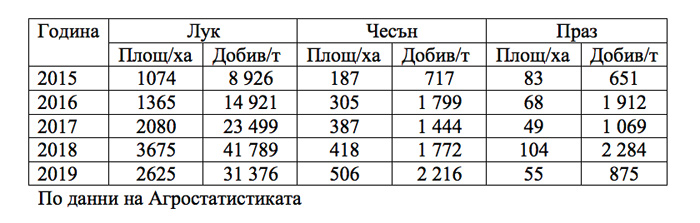
Table 2. Harvested area (ha) and obtained yields (tons) of Allium crops (2015–2019) in Bulgaria.
Leek is used in cooking and for medicinal purposes. Its mild taste and easy preparation make the vegetable a favourite addition to soups, stews, dishes and side dishes. It contains many vitamins – vitamin K, B-group vitamins, vitamin C, vitamin A and vitamin E – and minerals – manganese, copper, iron, magnesium and calcium. Leek contains antioxidants and has anti-inflammatory effects. It protects blood vessels from blockage. It prefers sunny sites, well-drained soils rich in organic matter, with pH 6.0–7.0. It requires constant soil moisture. In Bulgaria it is usually grown as a second crop. Seeds for seedling production are sown in February–March, and the seedlings are transplanted in June. It is consumed fresh and processed. It is used in various dishes either alone or as a seasoning. Due to its specific mildly pungent taste and tender pseudostem it finds wide application in our cuisine mainly during the winter months. Its use in winter is also facilitated by its good storability. In addition to being consumed fresh, it can also be consumed dried. Leek is less pungent than onion and garlic, has a more pleasant taste and can be consumed in larger quantities.
A cold-hardy plant (tolerates minus 15–20°C), leek is particularly demanding in terms of water regime and can only be grown under irrigated conditions. It is also demanding with respect to soil, more precisely to the content of nutrients in it. The best results are obtained when growing leek on deep, moisture-retentive, sandy-loam soils rich in organic matter.
Good predecessors for leek cultivation are crops that leave the field free of weeds and vacate it early enough so that it can be well prepared. Before planting or sowing, it can be preceded by radishes, spinach, lettuce, early potatoes, green peas, etc.
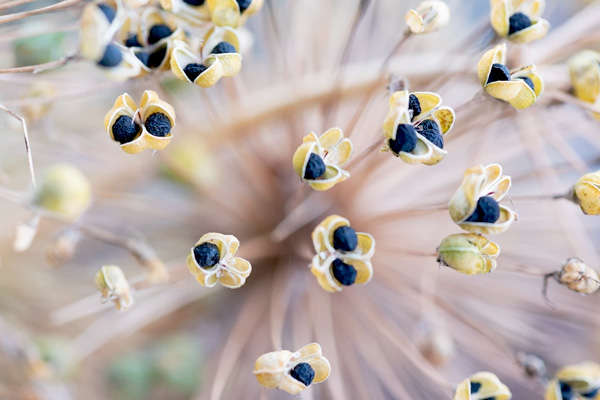
Leek can be grown using pre-produced seedlings or by direct sowing of the seeds. There are two groups of leek cultivars – “European” with a short pseudostem (15–25 cm) and “Bulgarian” with a long pseudostem over 45–50 cm. In Bulgaria, two main cultivars from the second group are widespread: Starozagorski Kamush and Starozagorski 72.
Pests
Onion thrips (Thrips tabaci Lind.)
It causes severe damage to leek. It is observed in the stands throughout the entire vegetation period. It has 8–10 generations per year and overwinters as adult insect and less frequently as larva on plant residues, in the soil, etc. Adult females lay about 100 eggs, placed singly under the epidermis in the parenchyma on the underside of the leaves. Damage is caused by adults and larvae, which suck sap from the leaves and the growing point of the plants. As a result of the damage, whitish silvery spots appear on the leaves, which, in cases of severe infestation, merge into streaks. The damaged leaves become deformed, turn yellow and dry out from the tip. Small, fine black dots – the insect’s excrement – can be seen on them. Under heavy infestation the leaves dry out. Plant development is suppressed and yield is significantly reduced. Damaged leaves give the plants a poor commercial appearance.
Control
Authorised plant protection products: Deca EC/Dena EC/Decis/Desha EC/Poleci/Deltin 50 ml/da; Meteor 80–90 ml/100 l water; Flipper 1–2 l/da; Citrin max/Cyperkill 500 EC/Cypert 500 EC/Poli 500 EC 5 ml/da. Carry out 2–3 treatments at 7–10 day intervals.
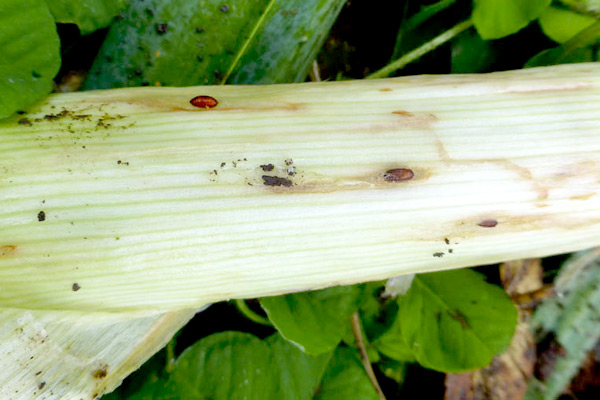
Leek leaf miner (Napomyza gymnostoma Loew). It damages Allium crops, but the most severe and noticeable damage occurs on leek. The leek leaf miner develops 3–4 generations per year. It overwinters as pupa in leek stems, located at the end of the mine, and very rarely in the soil beneath the plant. A small proportion of individuals that have not completed their development remain to overwinter as larvae, which later pupate. The flight of the overwintered generation begins at the beginning of April. It is highly prolonged and this is due to the overwintering of both stages. The larvae of this generation usually damage green onion and garlic. Adults of the second generation fly at the end of May and the beginning of June. Sexually mature females lay eggs on bulb onion, winter garlic and leek seedlings. Flies of the third generation fly from the beginning to the middle of July. They lay eggs in leek stems. The hatched larvae mine the stems; the sheathing leaves at the site of damage easily split. The fourth generation starts flying in the period 1–10 August. The larvae of the fourth generation develop on leek, complete their development, pupate and overwinter in the plants. Damage is detected in most cases after harvest. In the area of the pseudostem, on the outer 3–4 leaves, almost straight mines directed towards the base are observed. As they grow, the stems of damaged plants crack longitudinally and through the cracks pathogens penetrate, causing rot. Sometimes the pseudostem of leek damaged by the fly turns pink and rots during storage. From 5 to 15 larvae and pupae can be found in the stems of heavily infested plants. Leek attacked by the leaf miner has a poor commercial appearance and may rot during storage in winter. Control of the leek leaf miner is very difficult, as the pest develops several generations per year, the females lay their eggs under the leaf epidermis and the hatched larvae lead a concealed way of life and remain almost invulnerable to the insecticides used.
Control
Authorised plant protection products: Deca EC/Dena EC/Decis/Desha EC/Poleci/Deltin 50 ml/da; Meteor 80–90 ml/100 l water. Carry out 2–3 treatments at 7-day intervals targeting adults before egg-laying.
Diseases
Downy mildew (Peronospora destructor (Berk.) Casp.)
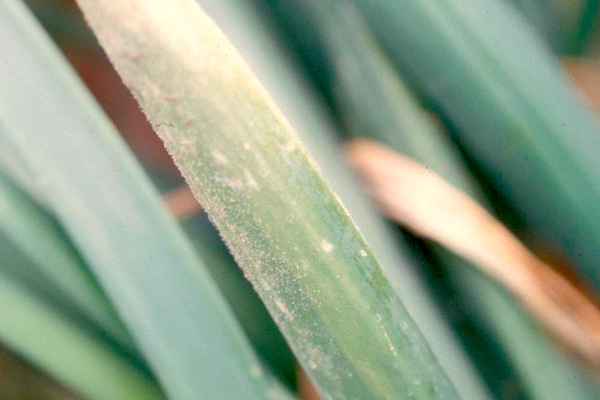
The disease is widespread in all regions where Allium crops are grown. In rainy years and in the absence of timely control it can compromise the crop. It is of greater economic importance for onion. When planting material is infected, the plants are weak, chlorotic, with curved leaves. Under high air humidity, the leaves are covered with a sparse violet coating of the fungus sporulation. Spores are spread by air currents and fall into the leaf axils of healthy plants, causing new infections. Later, yellowish, sunken spots of scorched tissue appear on the leaves. Stemphylium allii almost always colonises them secondarily and they turn black. The disease can affect the entire leaf mass. It moves down into the pseudostem. It overwinters as mycelium in infected plants and as oospores in the soil. The spores of the fungus germinate in a water droplet at a temperature of 7–160C.
Control
Introduction of a 3–4 year crop rotation; removal of plant residues from the previous vegetation; maintaining spatial isolation; cultivation on well-ventilated sites; balanced fertilisation; in the presence of favourable conditions for pathogen development and upon appearance of the first diseased plants – treatment with PPP. Registered PPP: Bordeaux mix 20 WP 375–400 g/da; Valis Plus 250 g/da; Airone SC 270 ml/da; Zoxis 250 SC 80–100 ml/da; Koprantol Duo 270 g/da; Corsate 60 WG 30–40 g/da; Melody Compact 49 WG 185 g/da; Orvego 70 ml/da; Presidium One 83–100 ml/da; Ridomil Gold R WG 500 g/da; Signum 150 g/da; Tazer 250 SC 80–100 ml/da;
Grey botrytis rot (Botrytis squamosa J.C.Walker). Small white lesions with a light green halo appear on the leaves and increase in size with plant age. During prolonged periods of high humidity, the fungus develops rapidly and causes leaf death. Its occurrence is favoured not only by high humidity but also by high temperatures. The causal agent survives on crop residues or in the soil. Older leaves are more susceptible to infection than younger ones.
Control
Introduction of a 3–4 year crop rotation; removal of plant residues from the previous vegetation; maintaining spatial isolation; planting in single rows at a distance of at least 30 cm, which will ensure better air circulation and rapid drying of leaves after rain; irrigation should be carried out at a time that will allow plants to dry sufficiently; balanced fertilisation; in the presence of favourable conditions for pathogen development and upon appearance of the first diseased plants – treatment with PPP. Registered: Erune 40 SC 200 ml/da; Pretil 200 ml/da; Signum 150 g/da; Switch 62.5 WG 100 g/da.
Application of appropriate fungicides should be carried out when plants have at least five true leaves and the first symptoms of the disease.
White rot (Sclerotium cepivorum Berk.)
It is caused by a fungal pathogen that damages leek plants throughout the entire vegetation period. It overwinters in the soil. Symptoms include leaf chlorosis, wilting and plant death. A whitish, cottony mycelium with small round orange-brown sclerotia develops on the underground part of the stem. Due to favourable conditions, the fungus is more destructive in early spring and autumn.
Control
Control begins with appropriate preventive measures, which include: weed control; removal of plant residues; safe spacing between plants for better aeration and improved soil drainage. The overall condition of the plants, related to fertilisation, irrigation and climatic characteristics, can also increase their tolerance. Leek should not be planted on areas where diseased plants have occurred in previous years. Introduction of appropriate crop rotation. Where possible, disinfection of equipment when moving from infected to healthy areas. Treatment with PPP. Registered: Erune 40 SC 200 ml/da; Pretil 200 ml/da.
Rust (Puccinia porii (DC) Rud., (syn. Puccinia alii)
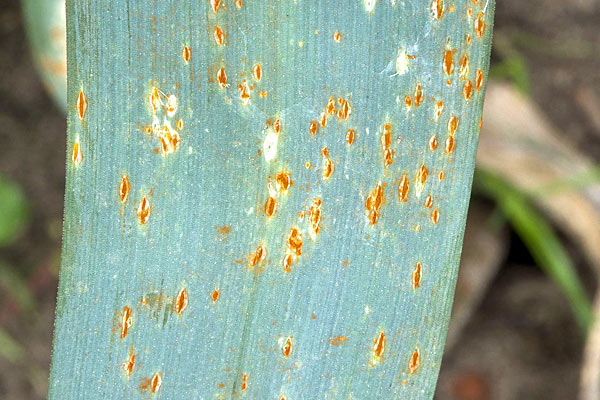
It attacks mainly leek, garlic and to a lesser extent onion. It develops from mid-summer to late autumn. Elongated chlorotic spots appear on the leaves, on which later rust-coloured reddish pustules of the fungus uredospores are formed. The pathogen overwinters on perennial hosts, in plants left for seed, or in diseased plant residues in the soil. Disease development is stronger in wet weather and when high rates of nitrogen fertilisers are used. The disease is widespread and occurs more frequently in cool and wet summers and along river valleys. Symptoms appear 20–30 days after infection.
Control
Introduction of a 2–3 year crop rotation; sowing far from willows and poplars, which are alternate hosts of the pathogen; removal of plant residues at the end of vegetation; spatial isolation from areas occupied by Allium crops in the previous year; treatment with PPP upon appearance of the first spots. Registered PPP: Difaz 100 ml/da; Zoxis 250 SC 80–100 ml/da; Custodia 50–100 ml/da; Luna Experience 60–100 ml/da; Norios 250 SC 80–100 ml/da; Ortiva Top SC 100 ml/da; Signum 150 g/da;
Purple blotch of Allium crops (Alternaria solani f. sp. porri Sor.)
It attacks all Allium crops, but is of greater importance for seed production stands. Small watery spots with white centres appear on the leaves and flower stalks. They quickly enlarge, turning brown to purple with a red or purple margin and a yellow halo. Large spots can merge and cover the entire leaf. The area above the spots dies. From the leaves the pathogen moves down into the pseudostems. The affected tissues are watery and later become yellowish to reddish-brown. A greenish-brown mould develops between the scales. It infects seeds superficially. It develops under high humidity. Sporulation occurs at night on the moist leaf surface.
Control
Introduction of a 4–5 year crop rotation; sowing with healthy or treated seeds (thermal disinfection of seeds at 500C for 15–20 min); in the presence of favourable conditions (high humidity), or upon appearance of the first spots – treatment with PPP. Registered PPP: Bordeaux mix 20 WP 375–400 g/da; Zoxis 250 SC 80–100 ml/da; Norios 250 SC 80–100 ml/da; Ortiva Top SC 100 ml/da; Ridomil Gold R WG 500 g/da.
System of agronomic measures for control of pests in leek
- Crop rotation depending on the diseases and pests recorded during vegetation;
- Observance of spatial isolation;
- Optimal plant density in the stands. High plant density restricts air flow, which in turn increases humidity and creates favourable conditions for disease development;
- Planting in well-ventilated, sunny sites on well-drained soils;
- Avoid growing leek in proximity to poplars and willows, which are hosts of the rust causal agent;
- Maintaining fields free of weeds;
- Cleaning fields from residues of old plants after lifting;
- Timely removal of leek from the fields;
- Irrigation with drip systems instead of overhead sprinklers;
- Balanced fertilisation and irrigation;
- Good agronomic practices (fertilisation, soil tillage, irrigation) contribute to the cultivation of strong and well-developing plants;
- Removal of the first diseased plants or those heavily infested by pests in the stand;
- Timely harvesting of the crop, lifting of all plants, collection and destruction of plant residues, deep soil tillage;
- Storage of produce under appropriate conditions, temperature and humidity;
- Cleaning of equipment after use;
- Produce intended for consumption as green (fresh) should not be treated with chemical plant protection products.
When preparing spray solutions, an adjuvant should be added. Pre-harvest intervals of the plant protection products used must be observed.
References
- Bahariyev D., B. Velev, S. Stefanov, E. Loginova, 1992. Diseases, weeds and pests of vegetable crops. Zemizdat, Sofia, 339.
- Bogatsevska N., Y. Stancheva, Hr. Boteva, St. Masheva, E. Loginova, V. Harizanova, H. Samaliev, D. Hristova, D. Karadzhova, V. Nikolova, V. Alexandrov, T. Toshkova, D. Grozdanova, 2008. Guide for integrated pest management in vegetable crops. NSRZ. Ministry of Agriculture and Forests. Sofia. 238.
- Ganeva D., V. Todorova, N. Velkov, G. Antonova, V. Petkova, S. Kalapchieva, E. Nacheva, S. Sofkova-Bobcheva, S. Genova, Hr. Boteva, St. Masheva, V. Yankova, D. Kostova, M. Mihov, T. Cholakov, O. Georgieva, Tsv. Dincheva, B. Arnaudov, D. Markova, G. Pasev, 2014. Technologies for the production of vegetable crops and potatoes. “Blakom” Printing House – Plovdiv, 245.
- Leek pests and diseases, Complete guide with photos, Gardening.
- Leek Pests Identification, Grow Veg.