

![MultipartFile resource [file_data]](/assets/img/articles/заглавна-хризантема-1.jpg)
Besides being a major ornamental crop, the chrysanthemum has been known for centuries for its medicinal properties. For the first time, in 500 BC the chrysanthemum is mentioned in the works of the Chinese philosopher Confucius / Kun Qiu /. In Japan, chrysanthemums were introduced in the 4th century, and the first chrysanthemums in Europe arrived from China in the Netherlands in 1688, but they failed to adapt to the environmental conditions and perished. One hundred years later, the chrysanthemum was brought again to Europe by a merchant from Marseille, who delivered the plants to the natural science garden in Paris.
In recent years, the chrysanthemum, which belongs to the family Asteraceae (Compositae), genus Chrisantemum L., has also been referred to in botanical systematics as genus Dendranthema L. This genus includes over 150 annual and perennial species, but the greatest economic and ornamental importance is held by the so‑called autumn chrysanthemums or “dimitrovcheta”, Chrisantemum indicum L. As a result of breeding work, over 2,500 cultivars have been developed, with new large‑flowered and small‑flowered ones being offered every year.
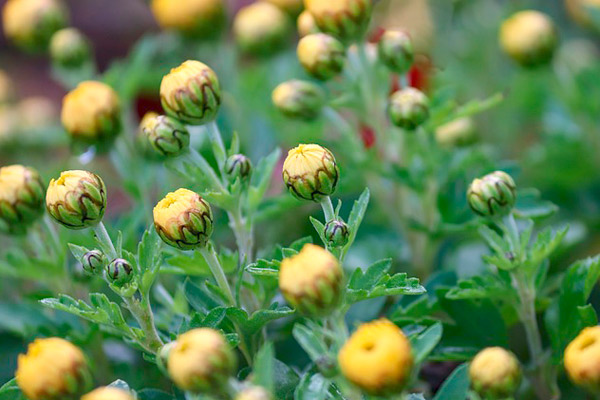
As early as antiquity in China, the chrysanthemum was used as a medicinal plant. There it is called the “flower of life”. It has antibacterial, antiviral and antitumor effects. Today the so‑called floral tea made from chrysanthemum is known worldwide.
Medicinal substances are contained in the stems, leaves and flowers of this delicate plant. The leaves are used in soups, as a seasoning or in salads, mainly in China. Chemical analyses have established the presence of 63 volatile substances; flavonoids; very important microelements (potassium, calcium, selenium, zinc, magnesium); vitamins of groups B, C and A; substances with anti‑inflammatory and soothing effects. Most often the flowers of the chrysanthemum are dried and used for making tea. Cultivars with white or yellow petals are preferred.

Chrysanthemum flower tea is an excellent means of improving the function of the lungs and the respiratory tract; it stimulates digestion; it is applied in cases of high blood pressure, headache, insomnia, allergies, it calms the nerves, tones the skin, etc. A decoction of chrysanthemum soothes red eyes when the extract is drunk and the warmed flowers from it are applied externally – on the eyelids.
In Asia, chrysanthemum tea is used in the fight against harmful cholesterol, and during the summer months it is used to quench thirst and prevent sunstroke. Tea combined with cinnamon and ginseng stimulates the immune system to combat staphylococcal and streptococcal infections.
Regular intake of chrysanthemum tea has a tonic effect on the stomach and liver, restores vitality and is a means of maintaining good health. However, since it is very rich in flavonoids, glycosides, alkaloids and others, it should be used with great care by people with established allergies.
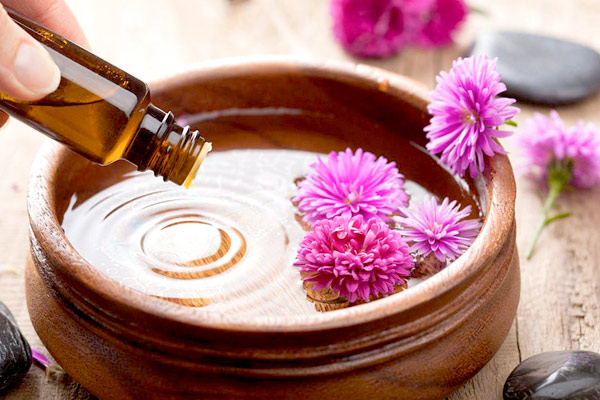
Chrysanthemum essential oil is used in aromatherapy. Of interest is also its use for plant protection against pests – as a repellent and biological insecticide. The essential oil is applied at a rate of 5–6 drops in 10 L of water. Chrysanthemum flower extract blocks the nervous system of insects and may not kill them, but repels them.
Extract against insects: Soak 400–500 g of fresh flowers and leaves of small‑flowered chrysanthemum or 100 g in 5 L of warm water, cover and leave for 24 hours. Then strain the decoction and spray the plants in the garden with the solution.
Dried flowers for tea: 1–2 tablespoons of small dried chrysanthemums are poured over with 300 ml of boiling water and left to stand for about 15 minutes, then strained and drunk. At least 3 teas should be consumed within 24 hours.
Dried flowers for a relaxing bath: 2–3 handfuls of dried flowers are placed in a bathtub with hot water, and after 10–15 minutes the bath is used for relaxation.
Using 2–3 flowers / dried chrysanthemum / near the pillow or on the forehead has a calming effect on people.