

![MultipartFile resource [file_data]](/assets/img/articles/калций-заглавна-1.jpg)
![MultipartFile resource [file_data]](/assets/img/articles/почвен-микроорганизъм-4.jpg)
Without calcium, soil and plants could not exist so harmoniously. The use of calcium in agriculture can bring a number of benefits for the climate as well. Farmers and gardeners traditionally add calcium to the soil for many reasons related to improving soil health, reducing soil erosion, and enhancing nutrient uptake. On the other hand, globally, soils contain significant amounts of carbon, more than plants and the atmosphere combined, so retaining carbon in soils can help address climate change. Recent scientific discoveries also reveal new benefits when using calcium in soils – it turns out that it can also be a tool for maintaining and improving organic matter in arable soils, and with that, the fixation of carbon dioxide from the atmosphere. The conclusion reached by scientists is that if we can increase carbon in the soil, we can probably reduce the increase in atmospheric carbon dioxide. This discovery could become an important element in the fight against climate change.
What are the benefits of calcium for plants and soils?
Plants actively receive water and nutrients from the soil. But over time, even the most fertile soils become depleted, more acidic, and unsuitable for growing various crops. What is the reason for this? Very simply – the soil begins to lack calcium. The cations (positively charged ions) of this vital macronutrient play a major role in soil formation, along with magnesium, potassium, and sodium.
Calcium (Ca) plays an important role in plant exchange processes, regulating the permeability of cell membranes and thus contributing to the maintenance of acid-base balance within the cell. This element determines the elasticity of the cell cytoplasm, which is important for the winter hardiness of plants. At the same time, many species that grow in calcium-rich soils, with excessive consumption, are able to accumulate it in their protoplast (the living content of the plant cell) without harm to themselves, i.e., without being poisoned by it.

Figure 1: Main benefits of calcium related to soils. Source: author
Specifically, calcium performs the following functions:
- regulates water balance in the soil, binds acids;
- creates a favorable environment for the development of beneficial microflora, accelerates the decomposition of organic matter, and promotes humus formation;
- reduces the amount of iron, manganese, and aluminum in the soil, neutralizing their toxic effects;
- increases the solubility of nutrients, thereby making them accessible to plants;
- creates optimal conditions for the growth and functioning of the root system;
- participates in plant metabolism, strengthens cell walls, aids in nutrient transport, improves immunity;
- thanks to calcium, the soil has a loose structure and is characterized by good air and water permeability.
The list could go on, but you are probably already convinced that without calcium, soil and plants could not exist so harmoniously.
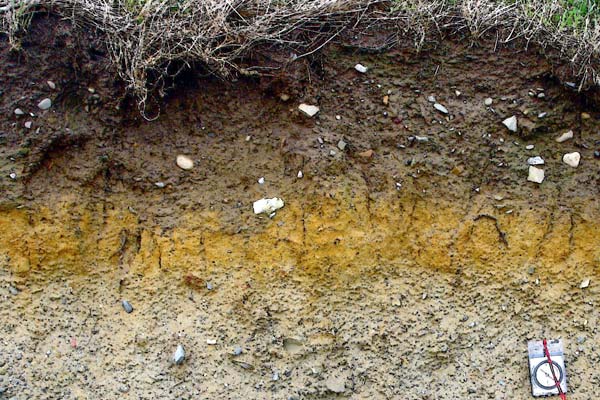
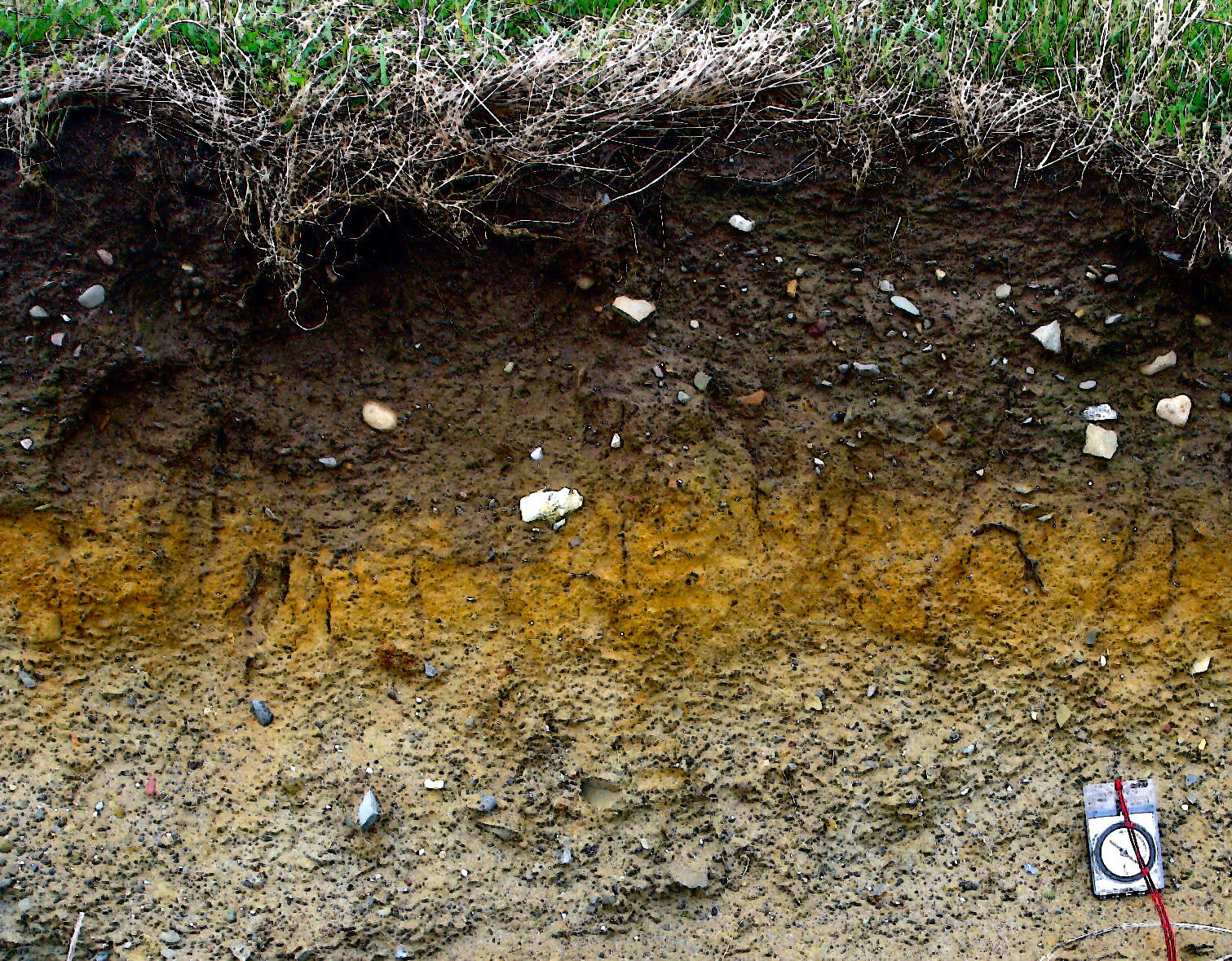
Photo 1. Soil profile. Source
What happens when the amount of calcium in the soil decreases?
Calcium regulates the acid balance, but if the macronutrient is insufficient, the acid concentration in the soil begins to increase, disrupting root nutrition.
Root system growth stops, protein synthesis and metabolism are weakened, and plant immunity decreases. But pathogenic microorganisms are “happy” at this moment, as their active reproduction begins. Of course, all this does not happen instantly, so there is always an opportunity to add calcium to the soil to stop the destructive effect of acids.
There is a concept of “cation exchange capacity” (absorption capacity) – the relative ability of the soil to absorb and retain a specific nutrient in the form of cations (magnesium, calcium, etc.). Fertile soil has a high absorption capacity and is saturated with macro- and micronutrients that plants easily absorb.
Farmers add calcium to their soil for many reasons related to increasing yields – including regulating pH and improving soil structure.
A new discovery related to calcium could lead to its more strategic use in agriculture.
Scientists from American universities Cornell and Purdue have identified a previously undiscovered mechanism that is triggered when calcium is added to the soil. Researchers already knew that calcium affects how organic matter stabilizes in the soil. What they didn't know was whether calcium had an effect on which microorganisms (bacteria and fungi) were involved and how they acted. Microorganisms are microscopic organisms that live in the air, soil, and water; in the soil, they process soil organic matter and support plant growth.

Photo 2. Soil microorganisms. Source

Adding calcium stimulates soil microflora that captures carbon dioxide
Scientists have managed to prove that by adding calcium to the soil, the community of microbes in the soil changes, as does the way they process organic matter. They start to process it more efficiently – retaining more carbon in the soil and releasing significantly smaller amounts into the atmosphere as carbon dioxide.
Carbon, which makes up about half of the organic matter in soil, is incredibly important for almost all soil properties. Soils that contain more carbon are generally healthier and better able to retain water in drought conditions. Soils with higher amounts of organic carbon are also able to deliver nutrients more effectively to plants and promote their growth. At the same time, these soils are also more resistant to erosion.
From a global perspective, soils contain significant amounts of carbon, more than plants and the atmosphere combined, so retaining this carbon can help address climate change. The conclusion reached by scientists is that if we can increase carbon in the soil, we can probably reduce the increase in atmospheric carbon dioxide. The research indicates that increasing the calcium content in the soil leads to a stimulating development of soil microflora and fauna (various types of microscopic fungi, bacteria, and algae), and as a result of their vital activity, the amount of carbon dioxide absorbed by the soil increases by up to 4%.
This discovery could potentially benefit farmers by providing them with another tool for maintaining and improving organic matter in soils. By having a better understanding of how calcium can influence microorganisms to increase soil carbon content, we can use this by practicing already known methods to increase calcium content, with the aim of increasing organic matter in our soils.
Why is it so important that we can use soils as natural sinks?
„Carbon sink“ (carbon sink) is any process, method, or object in which more carbon dioxide is extracted than is released into the atmosphere. These sinks occur in nature as components of the carbon cycle and are known as natural sinks. The simplest example of this is plants, which absorb carbon dioxide from the atmosphere through photosynthesis.
As part of the natural terrestrial carbon cycle, carbon dioxide is taken up by plants and microorganisms, stored in biomass, dead wood, and soils, and eventually released back into the atmosphere through respiration. In addition, carbon dioxide is also taken up and released by the ocean through a combination of biological and abiotic processes. Simply put, a carbon sink is anything that absorbs more carbon than it produces, especially if it can store the captured carbon indefinitely. In nature, these are oceans, forests, soils, various types of fungi, and microorganisms.
In March 2023, the European Parliament adopted a new carbon sink target, strengthening the Union's climate ambitions for 2030.
With this new law, the European Union's (EU) 2030 target for net greenhouse gas removals in the Land Use, Land-Use Change and Forestry (LULUCF) sector will be set at 310 million tonnes of CO2 equivalent, which is about 15% more than before the law. The target should ensure an additional reduction of EU greenhouse gas emissions in 2030 from 55% to about 57% compared to 1990 levels. All Member States will have nationally binding targets for 2030 for LULUCF removals and emissions based on recent removal levels and the potential for further removals. For Bulgaria, it is planned that by 2030 this will be 9718 kilotonnes of carbon dioxide equivalent.
Of course, natural sinks are not a substitute for reducing anthropogenic emissions, but they can support carbon neutrality goals. Carbon sinks exist in a vast variety of forms. And all of them must be protected if we want them to continue to perform this vital function, because if they are damaged – as in the case of tropical forests – their destruction releases the accumulated carbon back into the atmosphere.
Some simple agrotechnical practices for increasing calcium content in soils
Liming successfully reduces soil acidity. Simultaneous liming and manure application are not allowed, as this reduces the nutritional value of the soil. Most often, crushed limestone is used to increase calcium levels: 250 – 300 g per 1 sq.m for slightly acidic soils and 500 g or more for highly acidified soils.
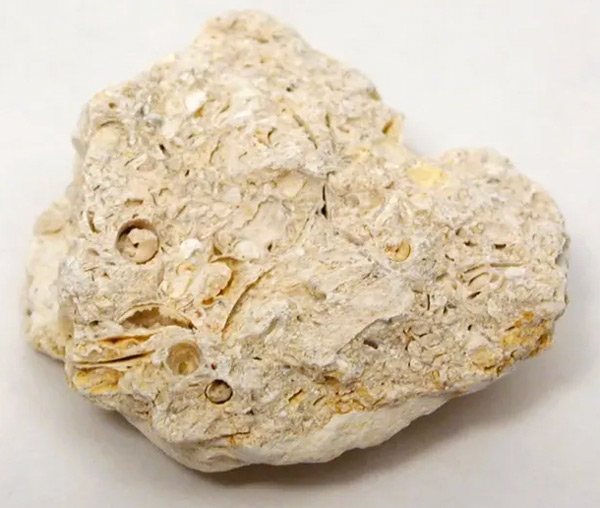
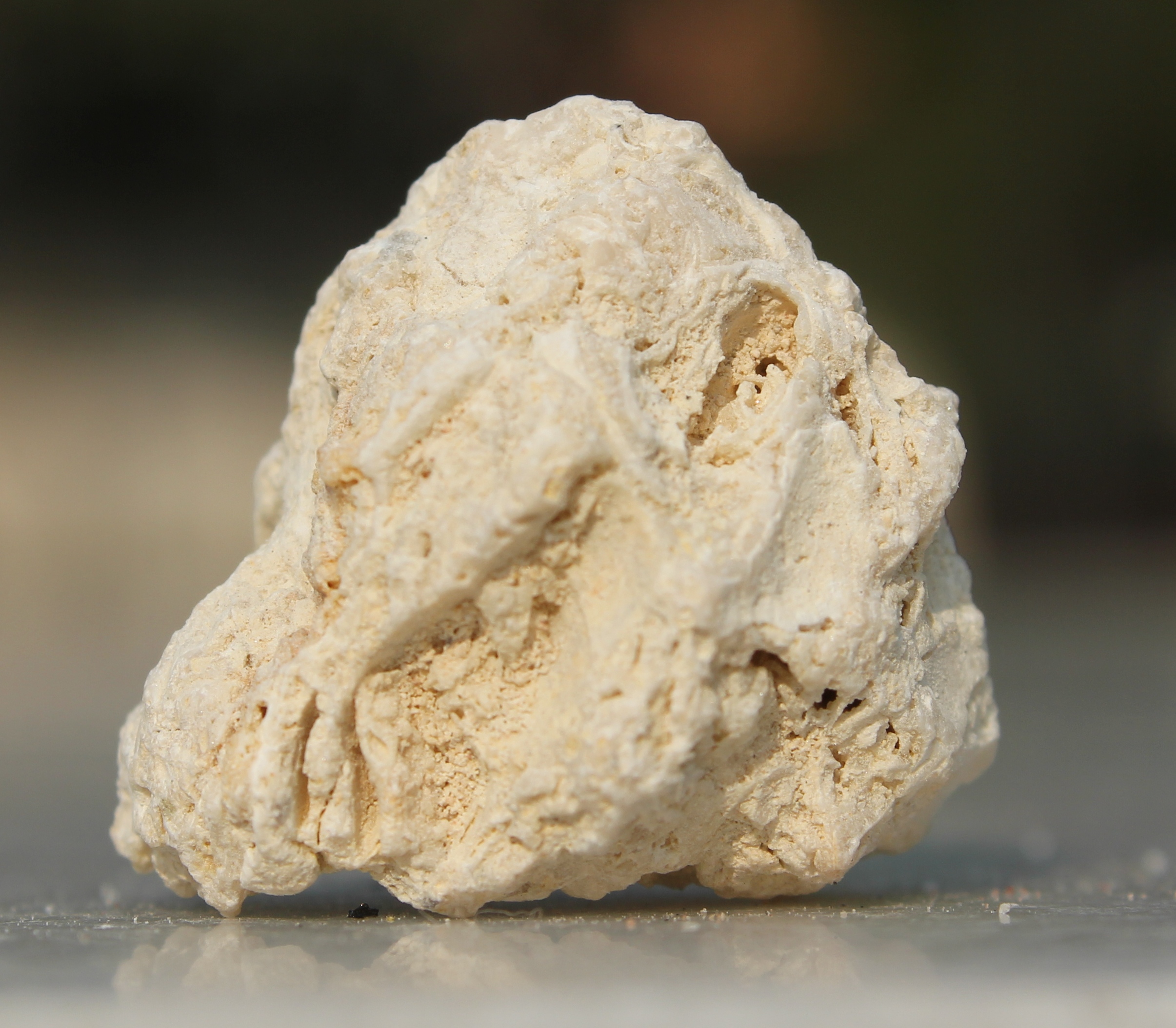
Photo 3. Limestone, a primary source of calcium in agricultural practices Source
Dolomitic lime perfectly disinfects the soil and saturates it with calcium. It is easily absorbed by plants and improves their immunity. It is not recommended for use on soils with an excess of magnesium. For slightly acidic soils, 200 g per 1 sq.m should be added, for soils with a high level of acidity – 500 g per 1 sq.m.
Dolomite flour
Unlike lime, dolomite flour is more convenient to apply to the soil. The flour does not burn roots, so it can be used at any time of the year. It leads to better absorption of phosphorus fertilizers by plants. The proportions are as follows: for soils with low acidity, 300 – 400 g of flour are added per 1 sq.m, for acidic soils – 500 g per 1 sq.m.
Chalk
Chalk is sparingly soluble in soil, so it will gradually reduce acidity over several years. If the soil is slightly acidic, it is enough to add 200 – 300 g per 1 sq.m; for very acidic soils, 500 – 700 g per 1 sq.m will be needed.
Wood ash
It is less effective than limestone but has a milder effect and, with proper use, is completely safe for plants. It is important to use only ash from deciduous trees to add calcium. To add calcium to the soil using wood ash, you will need 1 – 1.5 kg of the substance per 1 sq.m.
Phosphate rock
Phosphate rock contains 30% calcium, which is slowly released into the soil. It is especially recommended for use on peat soils. It is insoluble in water and slightly soluble in weak acids. It is suitable for composting. Use 40 – 70 g of phosphorite per 1 sq.m.
Bone meal
Bone meal releases calcium slower than limestone and does not have good solubility. But it is an excellent factor for moderately reducing acidity, as well as for replenishing phosphorus deficiency. Especially useful for seedlings, bulbs, and root crops. For slightly acidic soils, you should add 200 g of meal per 1 sq.m; for soils with high acidity – 500 g per 1 sq.m.
Eggshells
They are not able to prevent blossom-end rot, as some gardeners believe, but they will still bring great benefits to plantings. The shell decomposes slowly, so calcium will continue to be released into the soil for a long time. It is added during digging in an amount of 500 g per 1 sq.m.
Still – why is calcium so important for soil?
The presence of calcium in the soil changes its structure, providing better aeration and water permeability. As a result, it is beneficial for both plants (roots develop freely in the loose substrate) and gardeners (beds are easier to cultivate). Calcium also increases the biological activity of the soil: it accelerates the decomposition of organic matter, redirects chemical processes towards oxidation, and converts sparingly soluble calcium and phosphorus compounds into more mobile ones. This activates nitrogen-fixing and nitrifying bacteria, leading to improved plant nutrition. Last but not least, current scientific discoveries today prove its potential to improve and accelerate the processes of carbon dioxide binding into carbon, permanently „locked“ in the soil, which makes it an important factor in the fight against climate change.
Overall, by promoting soil health, reducing erosion, increasing nutrient uptake efficiency, and reducing greenhouse gas emissions, the use of calcium in agriculture can contribute to efforts to mitigate and adapt to climate change.
Source: Climateka