

![MultipartFile resource [file_data]](/assets/img/articles/лупа-растение-1.jpg)
Good Plant Protection Practice (GPPP) requires maintaining phytosanitary standards at a very high level, starting from seedling production and continuing throughout vegetation after transplanting vegetable crops.
Regular field inspections and timely implementation of the respective plant protection measures contribute to disease control and regulation of pest population densities below economic threshold levels and guarantee the production of high-quality vegetables.
Conditions for successful control of pests in vegetable crops:
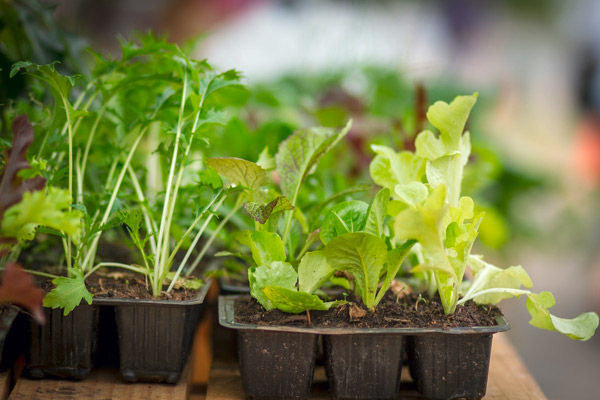
Prevention in the seedling unit
Effective control of pests in vegetable crops starts already in the seedling unit. Planting healthy, well-hardened seedlings in greenhouses or in the field is a prerequisite for growing a good stand and obtaining high yields. Seedlings are also affected by diseases and pests, as are adult plants. At this stage they are more susceptible to their attacks.
Infectious organisms are part of the environment. Knowledge of their biology and of the damage they cause to cultivated plants allows forecasting their occurrence or rapid identification and adequate actions to stop their spread. Prevention and hygiene in the seedling unit are the main tools for limiting the development of pathogens and the occurrence of pests. It is more appropriate to prevent their introduction into the production cycle (in greenhouses or in the field) than to fight them on infected plants. All activities in this unit must be aimed at eliminating or reducing the amount of diseases/pests in the environment and preventing their spread to healthy plants. Properly located seedlings in suitably ventilated, protected facilities can reduce the spread of grey mould, downy mildews, leaf spots, rusts, etc. Disinfected trays, pots and tools can limit the occurrence of Rhizoctonia, Pythium, Phytophthora, Fusarium and Sclerotinia. Irrigation with borehole, clean water and growing on well-drained areas, free of plant residues and weeds, will reduce the risk of Pythium, Phytophthora, Fusarium, viruses, Rhizoctonia, Sclerotinia, rusts and grey mould. The installation of insect-proof nets limits the access of pests into seedling facilities. The use of coloured (yellow, blue, black) sticky traps helps with monitoring and at the same time reduces the population density of harmful species.
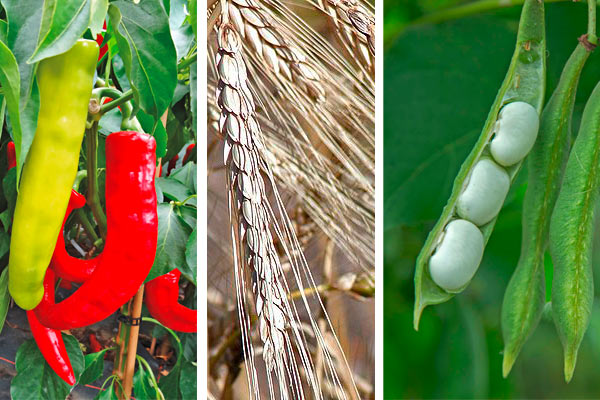
Crop rotations
The premise for using crop rotation for disease management is to grow plants that are not hosts until the soil-borne pathogen dies or its population is reduced to a level that will not cause significant damage to the crop. To apply successful control of a particular disease through crop rotation, it is necessary to know: (1) how long the pathogen can survive in the soil; (2) which additional plant species (including weeds and cover crops) can be infected and sustain it; (3) the ways in which it can survive on susceptible crops; (4) how it can be spread or reintroduced into a given field; and (5) methods for managing other sources of pathogens. For example, a pathogen that can survive in the soil but is also spread by wind cannot be successfully managed by rotation if there is an infected crop nearby or if the spores can disperse over long distances.
When designing crop rotations, it is necessary to know: The exact pathogen to be controlled; Whether it has specialized strains that can limit the host range; The rotation period required to clear a given field from a particular pathogen is not always clear because many factors are involved; Crops belonging to the same botanical family are likely to be susceptible to the same disease-causing agents. For example, cucumbers, melons and watermelons are susceptible to the causal agent of Fusarium wilt. Therefore, it is not advisable to include them in rotation with each other; The fungi Pythium spp. and Rhizoctonia solani cause carrot root tip rot and even plant death. Studies show that when carrots are grown after alfalfa, populations of Pythium and Rhizoctonia are higher and yields are lower. The same is observed after barley. Such deviations are not observed when onion is the preceding crop and when a fallow period is introduced. Another reason why alfalfa is not a suitable preceding crop is that it is a host of the fungus causing carrot cavity spot (Pythium violae). Clubroot in brassicas is effectively controlled by mint, summer savory and thyme. A rotation that includes a fallow period may be the key to controlling some pathogens that have a wide host range. Spatial isolation between susceptible crops is also of great importance. If crops with common pests are grown on adjacent areas, there is a risk of their movement from one crop to another (thrips, aphids, leafhoppers, etc.). Very good preceding crops for vegetable crops are cereals and grain legumes.
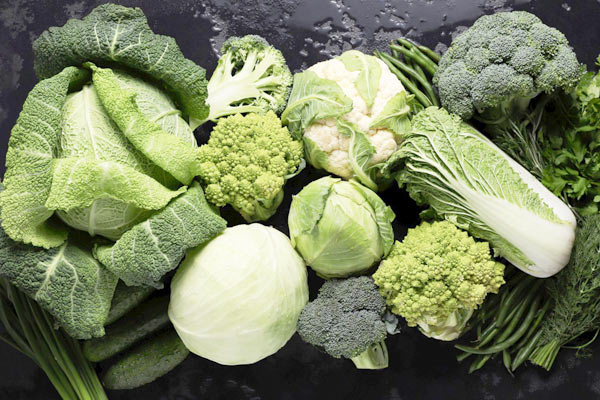
Species from the family Cruciferae release substances during their decomposition that are toxic to some fungi, nematodes and even weeds. At the same time, they stimulate beneficial microorganisms. One group of chemically decomposing by-products from these plants are volatile isothiocyanates. They are derivatives of glucosinolates, which themselves are harmless. The glucosinolate content varies among representatives of this family. White and brown mustard and oilseed rape have particularly high concentrations. Glucoraphanin is a glucosinolate found in much higher concentrations in broccoli than in other cruciferous plants. The use of these plants for pest control is the basis of the soil disinfestation process called biofumigation.
Some bacterial pathogens are successfully controlled through the introduction of crop rotations. Such is the causal agent of bacterial spot (Xanthomonas campestris pv. vesicatoria). It survives only on living plant residues. After their decay, the bacterium also dies. Two years without a host are recommended to clean the fields. The causal agent of bacterial speck (Pseudomonas syringae pv. tomato) is more difficult to control with rotation because it can survive on the roots and leaves of taxonomically different weeds. Therefore, success requires good control of weeds and volunteer tomatoes during the rotation period. Bacterial canker (Clavibacter michiganensis subsp. michiganensis) can be preserved on seeds. Consequently, subsequent crops must be planted with seed lots that are free from the pathogen in order to avoid its reintroduction into the field.
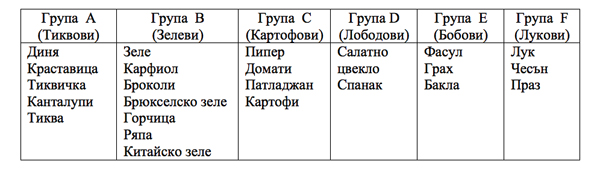
Groups of vegetable crops susceptible to the same pathogens
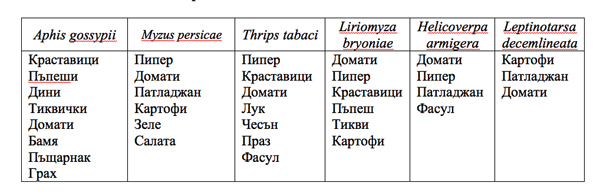
Vegetable crops grouped as hosts of some economically important pests
Sanitary practices
Immediate collection of crop residues or their deeper incorporation into the soil can have real benefits in a strategy for controlling diseases and pests. This practice is particularly effective when carried out before sporulation or development of pathogenic organisms in plant material left in the field, or before it becomes infected by insect vectors. This practice can function in two ways. It can remove the source of inoculum, as well as remove susceptible hosts.
Weed control is of great importance not only because of their direct harmfulness, but also as a means of controlling pests and mites that feed and reproduce on them. Weeds are a kind of reservoir of insects and viruses.
The position and orientation of vegetable-growing plots can play an important role in limiting certain diseases. Fields in which the rows are oriented in the direction of prevailing winds are drier, and relative humidity in the area of the plant collar decreases more quickly than in those where the rows are perpendicular to the wind. This can lead to a reduction in favourable climatic conditions for the development of some diseases. Uneven fields with low, flood-prone spots may create problems with certain diseases and should therefore be avoided.
Sowing and planting dates
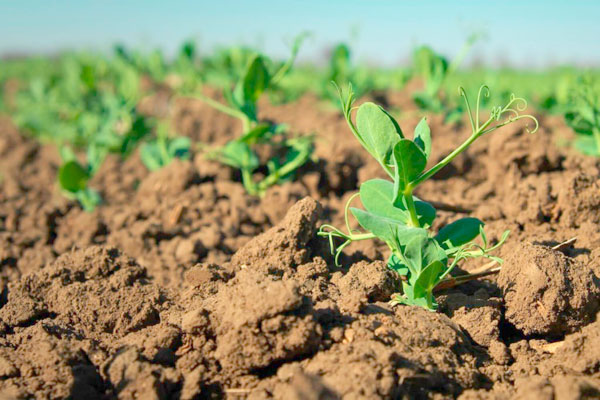
Observance of the most appropriate sowing and planting dates is important for protecting vegetable crops from diseases and pests. Early-planted tomato, pepper and eggplant crops ensure higher yields under stolbur infection. Early sowing of peas contributes to their protection from pea weevils. Modified planting dates can allow the crop to mature before or after the normal dates of invasion of vectors of certain diseases. Knowledge of diseases and insect life cycles is useful in determining when to plant crops so that they are less vulnerable.
Barriers
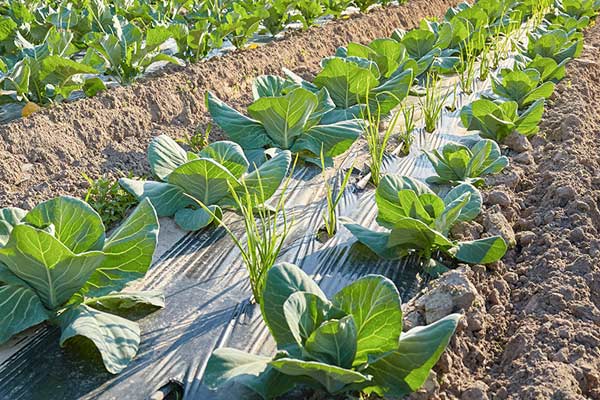
Physical barriers can be effective tools for limiting certain diseases and pests. They prevent direct contact of the plant with the plant pathogen. Polyethylene mulch has the greatest value as a mechanism for isolating soil-borne pathogens. It has been established that such mulching can reduce fruit rot in melons by up to 30% compared to crops grown directly on the soil. Some studies show that reflective mulches can disorient certain insect vectors and prevent them from attacking plants, as well as prevent spore dispersal onto plants.
Monitoring
Monitoring is the first and main step for successful pest control. Regular field inspections and visual assessment of disease and pest infestation provide continuous information on crop condition. The use of yellow, blue and black sticky traps helps to detect the occurrence of greenhouse whitefly, thrips and tomato leafminer moth. Pheromone traps (for tomato moth, cotton bollworm) can also be used for monitoring purposes. Unlike other pests, disease-causing agents are not visible to the naked eye. Therefore, growers often rely on the appearance of disease symptoms. The most common symptoms include: leaf blights; leaf spots; dying or dead plant parts and deformed or rotting fruits. Many of the above symptoms may result from non-pathogenic causes related to climatic problems, nutrition, irrigation, etc. Soil salinisation, wind desiccation and nutrient deficiencies often cause similar symptoms. Routine field scouting to ensure early disease detection is essential in a management strategy in order to minimise yield losses. During inspections, symptoms must be sought on several plants at several locations within the plot. Problematic areas must always be inspected – low flood-prone spots, waterlogged sections and areas adjacent to abandoned fields, pastures, etc. Correct diagnosis and knowledge of potential pests are crucial for the success of the strategy. Every disease or pest has its own threshold level (economic threshold levels, ETL), below which no significant yield losses will occur or a level at which they can easily be controlled. Experience, specialists and professional consultants are the best guides for determining threshold levels where such have not been established. Weather data can enable the grower to forecast disease occurrence and start implementing control methods. Poor diagnosis can lead to pointless expenditures by growers attempting to control a pest that does not exist.
The most successful disease management strategies consist of three main components: genetic resistance (resistant varieties), techniques to limit pathogen and pest invasion, and authorised plant protection products (PPP). It is difficult to provide all three components. Unfortunately, all three components are not always available for all crops and all diseases. For example, resistance is available only for a limited number of pathogens in a limited number of crops, such as root-knot nematodes in some tomato varieties.
Choice of variety
Resistant varieties
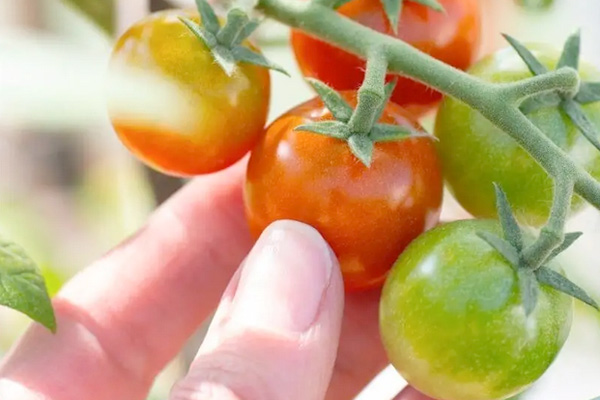
In order to reduce pesticide use and obtain healthier vegetable produce as an element of human nutrition, increasing attention in breeding programmes is being paid to the development of varieties with complex resistance to economically important diseases and pests. This applies both to airborne pathogens and to soil-borne harmful fungi, bacteria and nematodes and is an element of integrated production. Therefore, the appropriate choice of varieties is one of the keys to developing a successful disease management strategy.
Pathogens are highly variable and although resistant varieties exist, with the emergence of new races of the pathogen they may turn out to be susceptible. For example, most greenhouse tomato varieties are resistant to Verticillium dahliae race 1. At the University of California, Davis, race 2 has also been identified and work is already being carried out on it.
Breeding for resistance in tomatoes, cucumbers and peppers is of a complex nature – both to soil-borne and airborne phytopathogens and root-knot nematodes.
The pathogens most intensively worked on in tomatoes are:
- Verticillium wilt – Verticillium albo-atrum, V. dahliae (Va, Vd)
- Fusarium wilt – Fusarium oxysporum f. sp. lycopersici (Fol)
- Fusarium crown and root rot – F. oxysporum f. sp. radicis-lycopersici (For)
- Corky root – Pyrenochaeta lycopersici (Pl)
- Stemphylium – Stemphylium spp.
- Powdery mildew – Oidium spp.
- Leaf mould – Cladosporium (Fulvia) fulvum (Cf)
- Tobacco mosaic virus, tomato strain (ToMV)
- Tomato spotted wilt virus – Tomato Spotted Wilt Virus (TSWV)
- Root-knot nematodes – Meloidogyne spp. (Ma, Mi, Mj)
In cucumbers these are:
- Leaf spot – Corynespora cassiicola (Cca);
- Powdery mildew – Sphaerotheca fuliginea (Sf);
- Downy mildew – Pseudoperonospora cubensis;
- Scab – Cladosporium cucumerinum (Ccu);
- Cucumber mosaic virus (CMV)
In peppers:
- Tobacco mosaic virus (TMV);
- Potato virus Y – Potato Virus Y (PVY);
- Tomato spotted wilt virus – Tomato Spotted Wilt Virus (TSWV);
- Bacterial spot – Xanthomonas vesicatoria
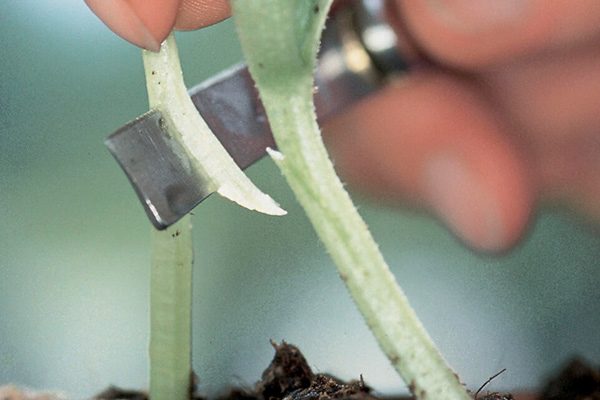
Grafting
In recent years, renewed attention has been paid to the grafting method. In many countries worldwide, greenhouse production uses tomato, cucumber and pepper plants grafted onto resistant rootstocks. This technological solution is effective for control of root-knot nematodes and soil-borne pathogens.
Technologies and techniques have been developed for manual, semi-automatic and automatic implementation of this practice. These practices are still labour-intensive and expensive. The advantages of the method are reduced incidence of soil-borne pathogens, increased tolerance to low temperatures and soil salinity, and extended harvesting period.
Suitable rootstocks for the crops are:
Tomatoes: Lycopersicon esculentum, L. pimpinellifolium, L. hirsutum, KNVF, KNVFFr
Cucumbers: Cucurbita ficifolia, C. maxima, C. moschata, Sicyos angulata, Lagenaria siceraria.
Grafting of vegetables is often used to support plant growth and development, control diseases and root-knot nematodes, increase tolerance to temperature or physiological stress and improve the uptake of nutrients and minerals.
Agronomic conditions
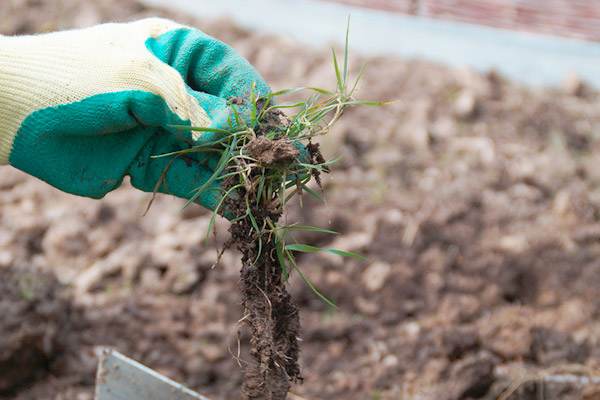
Soil tillage
It affects diseases and pests by directly destroying them, increasing plant resistance to damage and improving conditions for the development of natural enemies. Soil tillage also destroys weed vegetation, which is a reservoir for a number of pests in vegetable crops. When crop residues are deeply ploughed in, they end up in an anaerobic environment and die off.
Water regime
Maintaining an optimal water regime indirectly influences the reduction of damage. The volume of water, frequency and method of application can affect infection, intensity and spread of some diseases and pests. Under drought conditions, attacks by thrips and spider mites are more severe. Some water applications can increase the spread of certain diseases. Pepper blight (Phytophthora capsici) spreads rapidly along rows under surface (furrow) irrigation; black rot in cabbage is spread in the field by water droplets (during sprinkler irrigation) splashing bacteria from one plant to another. Sprinkler irrigation can increase leaf wetness periods. This causes proliferation of certain diseases, such as white rust in spinach. From a disease management point of view, the most effective method of water application is drip irrigation systems. These systems apply small amounts of water directly to the root system and do not wet the leaf surface. Some PPPs and fertilisers can be applied into the soil through them.
Fertilisation
Fertilisation with organic and mineral fertilisers has direct and indirect effects on the infestation of vegetable crops by diseases and pests and on yields. Excessive nitrogen fertilisation causes prolonged vegetation and soft growth, which makes plants more susceptible to some diseases and aphids, greenhouse whitefly, etc. Fertilisation with phosphorus and potassium fertilisers accelerates fruit ripening, tissues become tougher and cell walls thicker, which is unfavourable for pests and they attack and damage such plants to a lesser extent. Fertilisation changes the salt concentration of soil solutions and, via osmotic processes, ammonium, potassium and sodium cations, which are highly toxic, pass through the cuticle of wireworms and adversely affect them. Fertilisation with ammonium sulphate slightly acidifies the soil and limits the development and damage caused by certain pathogens, e.g. corky root (Pyrenochaeta lycopersici).
Use of suitable and well-maintained equipment
Application of certain products through drip irrigation systems makes it possible to limit worker exposure to plant protection products and this method is also sparing to beneficial species. Products such as Vydate 10 L, Already, Minecto Alpha, etc. can be applied in this way.
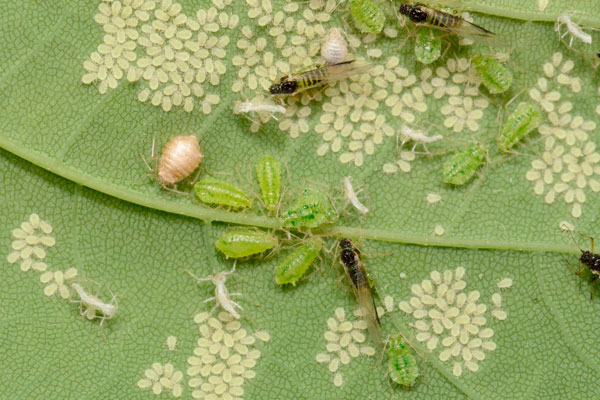
Biological control
Bioagents are usually microorganisms, various beneficial species (insects, mites, nematodes), predators and parasites. The concept of biological control implies direct or indirect suppression of pest populations to low levels in order to avoid economic losses. The effectiveness of a bioagent is related to its ability to find a host when pest numbers are low and its ability to survive under any conditions that may occur during the growing season. The more precise the timing of introduction, the more effective the achieved pest control will be. If they are introduced before an adequate pest population accumulates to sustain them, they will leave the field in search of sufficient food.
There are three commonly used methods to achieve insect control with bioagents: introduction of natural enemies of the harmful insect; augmentation of the existing population of natural enemies of the pest; conservation of beneficial insects.
Of the three main components of a stable pest management strategy, the pesticide component is the least represented in organic production systems. In conventional production, the effectiveness of disease control is significantly improved by this component.
Plant protection products and their application
Fungicides
It is very often assumed that disease control is synonymous with the use of fungicides. They can provide excellent control of some diseases, but for others they may be ineffective or unregistered. It is advisable to use broad-spectrum fungicides (or a combination of several) for preventive treatments against root diseases. For most foliar diseases, fungicides must be applied at the appearance of the first spots. This is particularly true for powdery mildew pathogens. For other diseases, when conditions are known to be favourable for their development, preventive treatments are applied. This applies to downy mildew pathogens when “critical periods” are present. In rusts, treatment must be carried out before the ripening and rupture of uredinia.
Most foliar fungicides act as protective agents on the plant surface and kill spores after they germinate and absorb the toxic agent. Thus, it is important to ensure complete leaf coverage before spores land on the surface. Additional treatments are also needed to protect new growth.
Fungicides must be used judiciously to prevent loss of efficacy. Resistance can lead to poor or no disease control. Fungicides are classified as systemic (penetrating) or protective (contact). Systemic chemicals are absorbed into plant tissues. Contact fungicides act as a barrier to fungal infections and do not penetrate plant tissues.
Biofungicides
Biofungicides are fungicides that contain living organisms – fungi and bacteria. They must be used preventively, as they have no curative effect. Biofungicides can suppress plant diseases through competition for food or through secreted secondary toxins that inhibit pathogen growth. Advantages of using biofungicides include: shorter re-entry intervals for workers into greenhouses and field crops; they are less phytotoxic to plants.
Insecticides
They are toxic chemical products used to destroy harmful insects. They occupy a significant share of the group of synthetic chemical pesticides. They are subdivided into larvicides, which destroy insect larvae at various stages, and ovicides, which destroy insect eggs. They can also be classified according to their chemical composition and their mode of action. They may be: stomach insecticides – enter the digestive system via food and act toxically on insects, usually used against insects with chewing mouthparts; contact insecticides – act upon direct contact of the pest with the product, penetrating through the external cuticle either directly during spraying or through the treated plant surface; systemic insecticides – penetrate plants and kill pests feeding on the treated plant, entering plant tissues through leaves or roots and being transported with sap flow, acting toxically through the stomach of insects with piercing-sucking mouthparts; fumigants – products that rapidly volatilise under the influence of moisture and temperature, penetrate the respiratory organs of insects and kill them; complex insecticides – possess contact, systemic and gaseous action against pests. Intensive and one-sided use of insecticides leads to the emergence of resistant pest populations. Chemical products often result in negative consequences: environmental contamination with residues, disruption of biological balance, destruction of beneficial species including bees, and risks to workers. They are easy to apply and the effect of treatments is observed quickly; they are convenient for covering large areas, but their use carries risks.
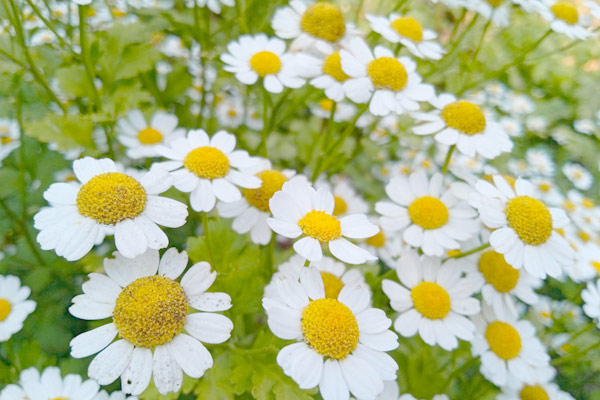
Pyrethrin, extracted from the flowers of pyrethrum (a type of chrysanthemum), is used as a contact insecticide in a number of vegetable crops
Bioinsecticides
They may be microbial products and botanical insecticides. Although often of lower efficacy and slower action compared to chemical insecticides, they possess a number of advantages: they pose no risk to the environment and human health, pests do not develop resistance to them, and most of them are harmless to beneficial species. They can be successfully used in modern organic and integrated plant protection systems for vegetable production. They make it possible to reduce chemical treatments and can be used alone, in combination or in alternation with conventional chemical products.
The correct choice of PPP depending on the specific situation – degree of infestation, species composition of pests, population density, crop growth stage, beneficial species, preceding treatments – is decisive for crop protection.
Compliance with the dose/concentration and pre-harvest intervals of plant protection products
Compliance with the dose/concentration of PPP is a prerequisite for good efficacy and for limiting the possibilities of phytotoxicity or development of resistance in pest populations. Strict adherence to pre-harvest intervals is necessary to obtain high-quality produce free from pesticide residues.
Due to their potentially harmful effects on human health or the environment, pesticides in the EU are subject to strict requirements and rules. Priority is given to plant protection products with low risk in use and selective towards beneficial species.
Successful control of diseases and pests requires timely and adequate use of PPP; Alternation of PPP used, so that pests do not develop resistance to them; Information about possible disease and pest attacks; Cultivation of resistant varieties where available; Application of biological control where appropriate.