

![MultipartFile resource [file_data]](/assets/img/articles/birne-1.jpg)
In September, the average daily temperatures decrease and in the second half of the month early frosts, thunderstorms and hailstorms may occur, which cause serious damage to the plants and to the fruit production. The period is characterized by a gradual transition from summer to autumn-winter conditions. The leaf apparatus of the trees is very actively photosynthesizing, providing assimilates for fruit nutrition, differentiation of fruit buds and accumulation of reserve nutrients. In order to ensure better accumulation of nutrients, easier tolerance of low winter temperatures and normal fruiting during the following year, it is necessary to harvest the fruits in a timely manner.
The development of diseases in fruit crops subsides during the period, but under rainy conditions infections of apple scab may occur, even during the harvesting of autumn and winter varieties. Pest density decreases significantly, as many of them have entered inactive stages – pupae and eggs, but the latest hatched caterpillars from the last generations of codling moths continue to cause fruit worminess.
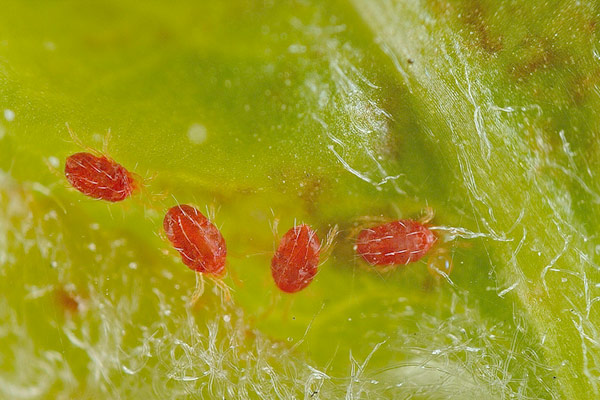
European red mite
In September the harmful activity of the species continues. Larvae, nymphs and adults suck sap from the leaves, as a result of which the chlorophyll content decreases and this adversely affects photosynthesis. In case of severe infestation, the leaves dry out prematurely and fall.
Control: To reduce the overwintering stock of mite eggs, spraying should be carried out at an economic injury threshold of 3–4 motile forms per leaf.
Authorized plant protection products: a.i. hexythiazox 31.2 g/l + fenpyroximate 62.4 g/l – Nissorun Plus 120 ml/da; a.i. acequinocyl 164 g/l – Kanemite SC 120–180 ml/da; a.i. Beauveria bassiana, strain ATCC 74040 0.185 g/l – Naturalis – 100–150 ml/da; a.i. paraffin oil 800 g/l – Ovipron Top EC – 1000–2000 ml/da; a.i. tebufenpyrad 200 g/kg – Shirudo – 25 g/da.
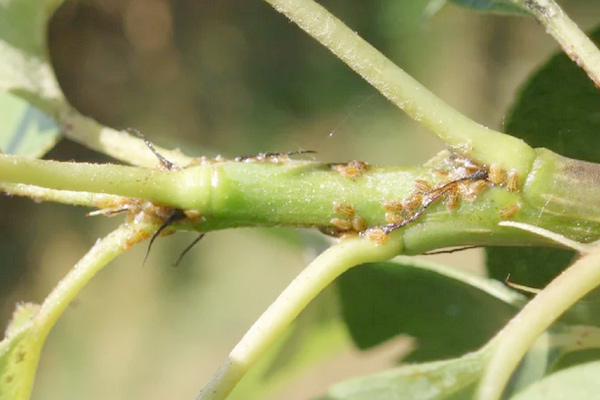
Pear psylla
In September, the development of the fourth generation is completed and the development of the fifth generation begins. Adults and larvae suck sap and excrete abundant honeydew, which results in the formation of sooty fungi. In case of severe infestation, entire trees die.
Control: Before the mass movement to overwintering sites and to reduce the overwintering population of pear psylla, spraying should be carried out at an economic injury threshold of 4–6% shoots with colonies of adults and larvae per tree.
Authorized plant protection products: a.i. tebufenpyrad – Shirudo 25 g/da; a.i. spirotetramat – Movento 100 SC 0.12–0.15%; a.i. Beauveria bassiana, strain ATCC 74040 0.185 g/l – Naturalis – 100–150 ml/da; a.i. deltamethrin 100 g/l – Decis 100 EC – 100–150 ml/da.
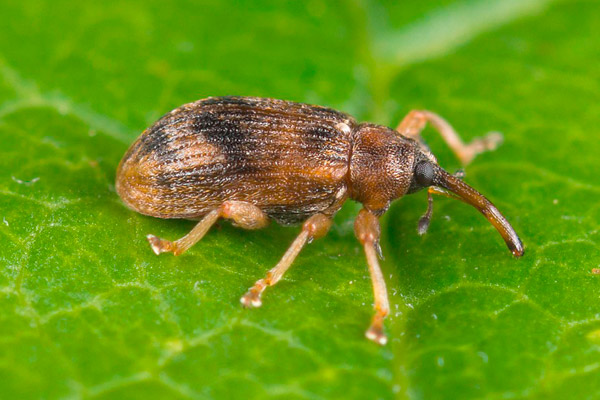
Pear bud weevil
A serious pest of pear, which develops one generation per year and overwinters as an egg in the buds. The larvae hatch in spring, the beetles appear in May and enter diapause until the end of September. When they reappear later, they lay their eggs in the buds, where they remain to overwinter.
Control: Control measures are directed against the adults before egg laying, upon detection of the first copulating pairs in autumn.
Authorized plant protection products: There are no officially registered products; all contact insecticides may be used at concentrations applied against other pests.
* The article was updated on 15.09.2025.