

![MultipartFile resource [file_data]](/assets/img/articles/зеленчуци-август-2023.jpg)
In August, vegetable crops repay the care taken of them so far. Harvesting of medium-early tomatoes, green pepper, eggplant, small-fruited cucumbers and a number of other vegetables begins. However, August is also one of the hottest and driest months of the year, which necessitates the application of specific care for the plants. More irrigations and observations are required. In August, care must be taken with the application of plant protection products in view of the timely harvesting of the ready production of the main vegetable crops – tomatoes, eggplant, pepper, cucumbers, courgettes, watermelons, melons, etc. Plant protection measures in the vegetable garden should be carried out only when necessary, strictly observing the pre-harvest intervals of the products used and taking into account the harvesting periods.
Practices during the period
The period is characterized by mass harvesting of vegetable crops from the field and in polyethylene greenhouses. This requires increased attention when using PPP. At the end of August, sowing begins of spinach for late autumn harvesting, parsley and overwintering cabbage. In some glass-and-steel and polyethylene greenhouses, “precrops” are also sown and planted. These are mainly cucumbers, which are harvested until the end of December.
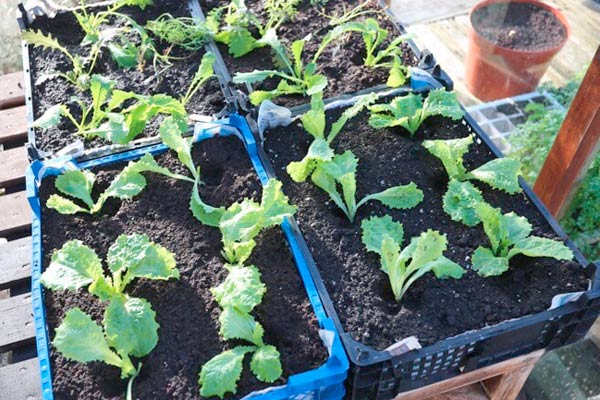
Preparation of lettuce seedlings begins. Care is taken for already planted crops. Seedlings are also prepared for year-round production of tomatoes and cucumbers.
Conditions in late August and September are suitable for disinfection of free greenhouse areas with soil fumigants. Very often in the second half of August and the first ten days of September, showers occur. Temperatures, especially night-time ones, decrease and conditions are created for the occurrence and development of late blight, mainly on late tomatoes, as well as downy mildew on cucumbers and brassica crops. When such conditions are present, treatments of the crops with appropriate PPP are undertaken.
Plant protection
Agrometeorological conditions are almost the same in cultivation facilities and in the open field, and therefore the species composition of pests is almost identical.
In seedlings, “damping-off” may be observed. The first diseased plants and the healthy ones around them are removed. The patches are watered with a solution of copper sulfate or ammonium nitrate – 3.0%. The remaining plants are treated with registered PPP – Beltanol 400 g/ha. In cases of established root rot in transplanted crops, similar practices are carried out.
The most common diseases in vegetable crops during the period are as follows:
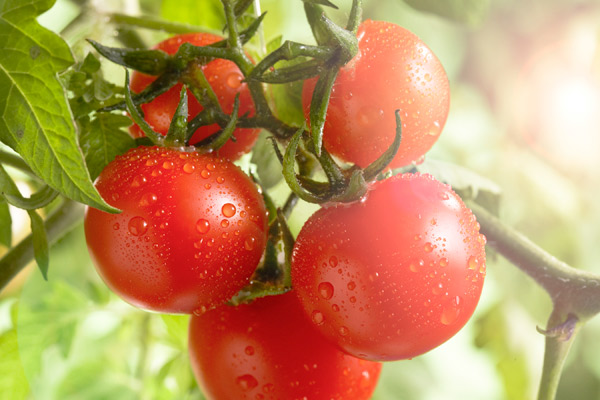
Tomatoes (seedlings, cultivation facilities, field):
Late blight
In the presence of favourable conditions or occurrence of the first spots, treat with: Azaka 80 ml/ha; Acticluster 300-400 ml/ha; Enervin SC 120 g/ha; Zoxis 250 SC 70-80 ml/ha; Cuproxat FL 0.3%; Orvego 70 ml/ha; Revus 250 SC 50 ml/ha; Cymbal flow 50 ml/ha; Taegro 18.5-37.0 g/ha; Tazer 250 SC 80-100 ml/ha; Follow 80 WG 200 g/ha; Funguran OH 50 WP 0.15%.
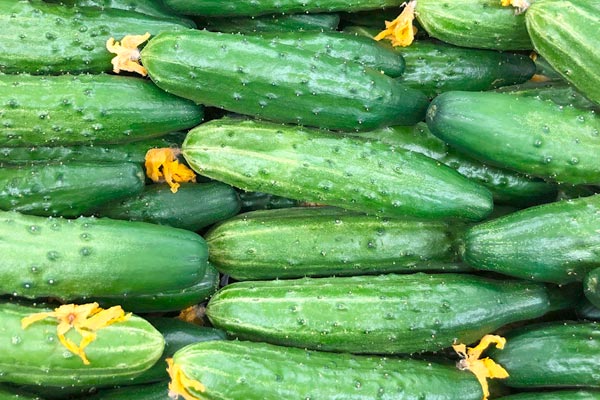
Cucumbers (seedlings, cultivation facilities, field):
Powdery mildew – Vivando 20 ml/ha (0.02%); Dagonis 60 ml/ha; Domark 10 EC 50 ml/ha; Zoxis 250 EC 70 ml/ha; Collis SC 40-50 ml/ha; Legado 80 ml/ha; Ortiva Top SC 100 ml/ha; Sivar 80 ml/ha; Sonata SC 500-1000 ml/ha; Taegro 18.5-37.0 g/ha; Topaz 100 EC – 35-50 ml/ha; Trunfo 80 ml/ha; Phytosev 200 ml/ha; Fontelis SC 240 ml/ha.
Downy mildew (Pseudoperonospora cubensis) – Against it, treat every 7-10 days with authorised PPP: Golbex WP 250 g/ha; Enervin SC 120 g/ha; Zoxis 250 SC 70-80 ml/ha; Infinito SC 120-160 ml/ha; Corseit 60 WG 20-30 g/ha; Prev-Gold 160-600 ml/ha; Taegro 18.5-37.0 g/ha. The lower surface of the leaves is mainly sprayed.
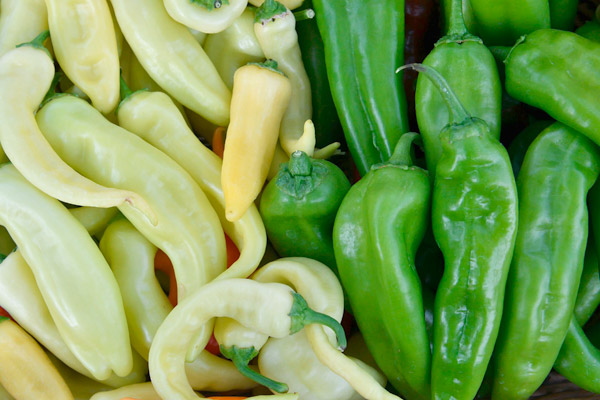
Pepper, eggplant:
Powdery mildew – Upon appearance of the first spots on the leaves of the plants, treat with: Vivando 30 ml/ha; Dagonis 60 ml/ha; Kozavet DF 500 g/ha; Ortiva Top SC 100 ml/ha; Sonata SC 500-1000 ml/ha; Taegro 18.5-37.0 g/ha; Tazer 250 SC 80-100 ml/ha; Topaz 100 EC – 35-50 ml/ha; Phytosev 200 ml/ha.
Phytophthora blight of pepper (Phytophthora capsici). The first diseased plants from this dangerous disease have already appeared. It can be provoked by uneven terrains with low flooded areas where irrigation water accumulates, or by intense rainfall. Therefore, the areas intended for pepper should be well levelled. It is advisable to avoid furrow and sprinkler irrigation and to rely on drip irrigation. The patches of diseased plants, together with the adjacent healthy ones, are destroyed by watering with a 3% solution of copper sulfate or ammonium nitrate. They are then collected in bags and destroyed outside the crop. The remaining healthy plants are sprayed thoroughly, including the root collar. Registered PPP: Zoxis 250 SC 70-80 ml/ha; Taegro 18.5-37 g/ha; Tazer 250 SC 80-100 ml/ha. Corseit 60 WG 40 g/ha is not registered, but it can be successfully used against this disease.
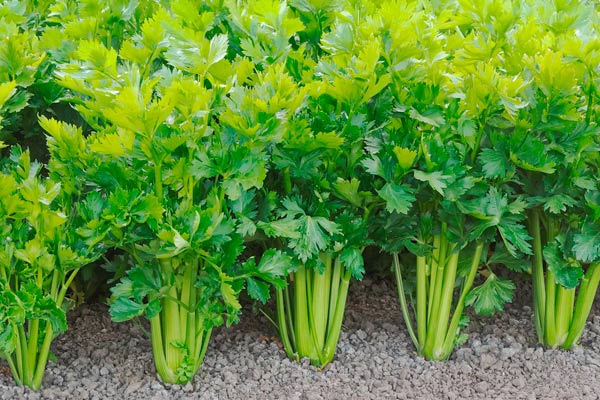
Due to the high temperatures and low atmospheric humidity in August, in carrots, celery and parsley powdery mildew attacks are possible. Upon appearance of the first spots, treat with: Zoxis 250 SC 80-100 ml/ha; Kumulus 600 g/ha; Limocide 240 ml/ha; Ortiva Top SC 100 ml/ha; Signum 60 g/ha;
The risk of attacks by rust on leek persists, against which spraying is carried out with Zoxis 250 SC 80-100 ml/ha; Ortiva Top SC 100 ml/ha.
Against downy mildew in brassica crops, treatments are carried out with Bordeaux mix 20 WP 375-500 g/ha or with Infinito SC 160 ml/ha.
During the period, in connection with the extreme conditions at the end of July, significant infestation by spider mites (on pepper, eggplant, tomatoes, cucurbits, leek, okra, celery, parsley, etc.) is expected. Control is carried out by treating with registered PPP: Apollo 50 SC 30-40 ml/ha; Bermectin 50-100 ml/ha; Butik 30-100 ml/ha; Valmek 15-100 ml/ha; Vertimec 018 EC 60 ml/ha; Voliam Targo 063 SC 80 ml/ha; Zoom 11 SC 12.55-50 ml/ha; Requiem Prime 500-1000 ml/ha; Laota 15-100 ml/ha; Naturalis 100-200 ml/ha; Neem Azal T/S 0.3%; Nissorun 10 WP 75 g/ha; Flipper 1-2 l/ha; Shirudo 15 g/ha.
The harmful activity of thrips (vectors of tomato spotted wilt virus in tomatoes, pepper, eggplant, etc.) continues. These pests are polyphagous and can be observed on various vegetable crops. Against them, treatments are carried out with: Azatin EC 100-150 ml/ha; Dicarzol 10 SP 556 g/ha; Exalt 200-240 ml/ha; Limocide 400-800 ml/ha; Neemik Ten 390 ml/ha; Oikos 100-150 ml/ha; Requiem Prime 500-1000 ml/ha; Sineis 480 SC – 10-37.5 ml/ha; Naturalis 100-150 ml/ha; Flipper 1-2 l/ha.
Despite the high temperatures and the expected depression in the development of aphids at the end of the period, the occurrence of colonies of these pests in some regions is not excluded. Registered PPP against them are: Azatin EC 100-150 ml/ha; Ampligo 150 ZC 40 ml/ha; Delmur 50 ml/ha; Deltagri 30-50 ml/ha; Closer 120 SC 20 ml/ha; Mavrik 2 F 20 ml/ha; Neemik Ten 390 ml/ha; Oikos 100-150 ml/ha; Sivanto Prime 45 ml/ha; Tepekki/Aphinto 10 g/ha; Flipper 1-2 l/ha; Shirudo 15 g/ha.
Tomato leafminer (Tuta absoluta) damages crops both in greenhouses and in the open field. Damage from it is already observed not only on the leaves but also on the fruits. This leads to deterioration of product quality. Treatments can be carried out with some of the following plant protection products: Alverde 240 SC 100 ml/ha; Altacor 35 WG 8-12 g/ha; Ampligo 150 ZC 40 ml/ha; Affirm 095 SG 150 g/ha; Voliam Targo 063 SC 80 ml/ha; Verimarktm 200 SC 37.5-50 ml/ha; Delmur 50 ml/ha; Exalt 200-240 ml/ha; Coragen 20 SC 14-20 ml/ha; Neem Azal T/S 0.3%; Neemik Ten 390 ml/ha; Oikos 150 ml/ha; Rapax SBS 100-200 ml/ha; Sineis 480 SC 10-25 ml/ha.
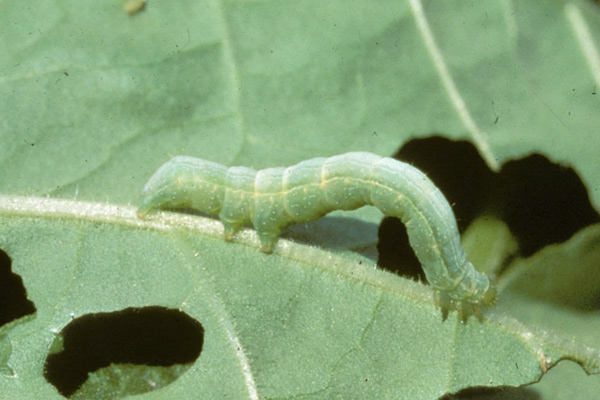
In August, the harmful activity of noctuid moths (cutworms) usually increases. Against the caterpillars, treatments can be carried out with Ampligo 15 ZC 0.04 l/ha; Altacor 35 WG 8-12 g/ha; Affirm 095 SG 150 g/ha; Exalt 200-240 ml/ha; Voliam Targo 063 SC 80 ml/ha; Verimarktm 200 SC 37.5-50 ml/ha; Delmur 50 ml/ha; Scatto 30-50 ml/ha; Coragen 20 SC/Voliam 14-20 ml/ha; Helicovex 20 ml/ha; Dipel DF 100 g/ha; Rapax 100-200 ml/ha; Oikos 150 ml/ha; Neemik Ten 390 ml/ha. Sometimes in the crops, simultaneous damage from several pests is observed, in which case it is necessary to choose an appropriate product with a broader spectrum of action in order to reduce the number of treatments.
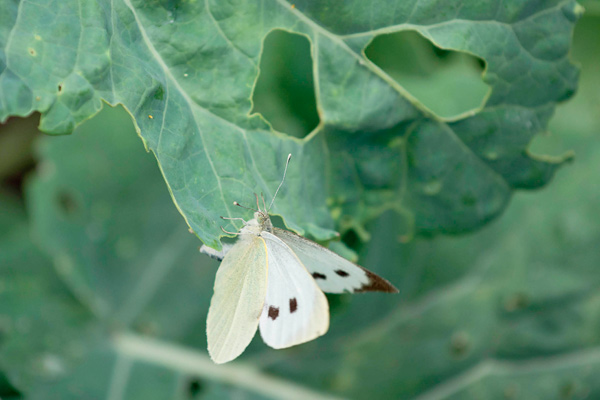
In brassica crops, the harmful activity of the large white butterfly (cabbage white) increases. Against it, treatments are carried out with: Altacor 35 WG 8-10 g/ha; Exalt 200 ml/ha; Decis (Decide) 25 ml/ha; Meteor 60-70 ml/ha (100 l water); Citrin Max/Cyperkill 500 EC/Cypert 500 EC/Poli 500 EC 5 ml/ha; Dipel 2 X 100 g/ha; Dipel DF 75-100 g/ha.
Against the diamondback moth, the following are registered: Altacor 35 WG 8-10 g/ha; Exalt 200 ml/ha; Meteor 80-90 ml/ha (100 l water); Dipel DF 75-100 g/ha. Damage from cabbage moth (Mamestra brassicae) is also possible. Treatments aimed at the large white butterfly and the diamondback moth can also be effective against this pest. Authorised products for use are: Deka EC/Desha EC/Dena EC/Poleci/Decis 30 ml/ha; Altacor 35 WG 8-10 g/ha; Exalt 200 ml/ha; Decis (Decide) 25 ml/ha; Meteor 60-70 ml/ha (100 l water); Dipel 2 X 100 g/ha; Dipel DF 75-100 g/ha.
When treating brassica crops, an adjuvant is added to the pesticide solutions.
All requirements for application (registered PPP, quality spraying, dosages, pre-harvest intervals), transport and storage of chemical plant protection products must be observed. Hygiene and safety standards for working with toxic substances must be complied with. A treatment log must be kept in accordance with the requirements of the BFSA.