

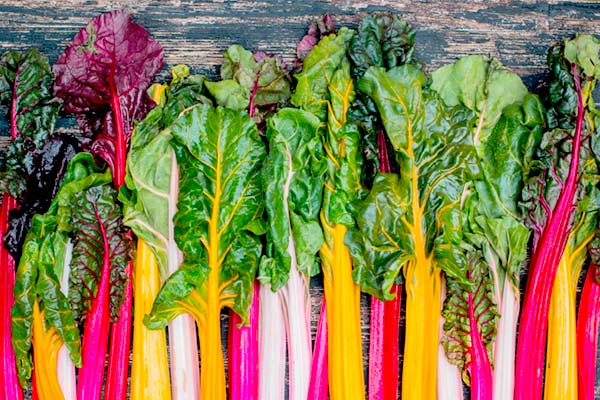
On 10 July 2020 at 13:30 a webinar will be held on the topic: “Specifics in the cultivation of non-traditional vegetable crops for the country – specifics in fertilization and planting schemes“.
The webinar is organized by the National Agricultural Advisory Service (NAAS) with the assistance of the Maritsa Vegetable Crops Research Institute (VCRI) – Plovdiv. The lecturers at the event will be Prof. Hriska Boteva, PhD, and Chief Assistant Prof. Tsvetanka Dincheva, PhD, from VCRI “Maritsa“ – Plovdiv, Scientific Department “Technologies in Vegetable Production“, whose main field of activity is: improvement of systems for integrated and organic production ensuring sustainable and competitive development of vegetable production.
The main topics to be presented at the webinar are:
• Specifics in the cultivation of non-traditional vegetable crops for the country:
- annual – chard, parsnip and kale;
- perennial – asparagus, artichoke, rhubarb and lovage.
• Specific requirements of the individual crops for nutrients – fertilization schemes.
Purpose of the webinar:
Dissemination of knowledge regarding the technological specifics in the cultivation of various non-traditional vegetable crops for the country – asparagus, artichoke, chard, kale, rhubarb, parsnip, etc. Familiarizing participants with the specifics of each crop and its fertilization requirements.
Participation in the webinar is free of charge, but prior registration is required!
You can register here or by sending the following information by e-mail to: pkumanova@naas.government.bg: first name and surname, e-mail address and the capacity in which you are registering (farmer, advisor, researcher, student, representative of a non-governmental organization, other), as well as any questions you would like to address to the lecturer in advance.
The webinar is open to all interested participants – farmers, researchers, consultants, students, non-governmental organizations and other stakeholders in the field of agriculture.
Information about the event – invitation, agenda and press release – can be found here.
Source: NAAS