

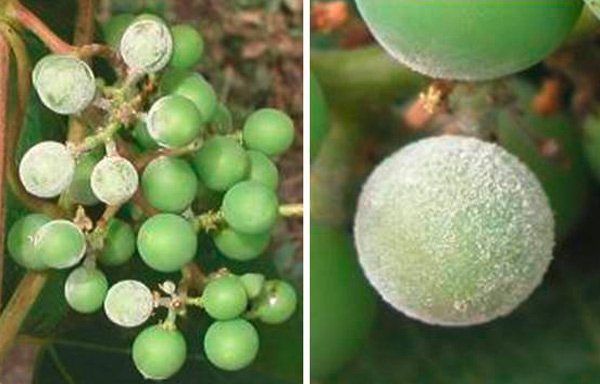
At the end of June and the beginning of July, agrometeorological conditions will undergo a significant change. During the last days of June, no precipitation is forecast in the field areas, which will provide an opportunity for carrying out some urgent plant protection treatments. The persisting unsettled weather during the past period created conditions for an increase in the infectious background of a number of fungal diseases: scab, shot hole disease and late brown rot in fruit trees; downy mildew in vineyards and vegetable crops, etc. In many parts of the country, the significant rainfall impeded the harvesting of the ripe grain crop. In some of the waterlogged wheat stands, blackening of the ears has begun, which poses a risk of deterioration in grain quality.
During the following period, the development of spring crops will proceed at an accelerated pace, with temperatures around and above the climatic norms for the beginning of summer and with good to very good moisture reserves in the upper soil layers. In most parts of the country, with the exception of the extreme northwestern (Buzovets agrometeorological station) and southwestern regions (Sandanski agrometeorological station), soil moisture reserves in the 50 cm layer are at levels above 75–80% of field capacity. During the period, sunflower will be in the stages of inflorescence formation and flowering, mainly in the stands in the southern regions. In early maize hybrids, the tasseling and tassel flowering stages will be observed, while in later hybrids – leaf formation. At the end of June and the beginning of July, maize fields should be surveyed for the presence of one of the most important pests – the European corn borer, and when its density exceeds the economic injury level (10 egg clusters per 100 plants), treatment is necessary (against the young larvae before they bore into the stems).
At the beginning of July, precipitation is again forecast and conditions for carrying out the most important activity – wheat harvesting – will deteriorate.
Source: NIMH