

![MultipartFile resource [file_data]](/assets/img/articles/пъпеши-4.jpg)
Crops from the Cucurbit family exhibit wide polymorphism, which determines a great diversity in production directions and cultivation technologies.
Cucumbers, watermelons, melons and pumpkins are species that belong to the family Cucurbitaceae. Their importance is determined by the dietary and taste qualities of the fruits, which are used both for fresh consumption and in the canning industry – for sterilized products, purées, juices and jams. Bottle gourd, loofah and a number of wild species have little significance for agriculture, but represent a valuable source of genetic plasma.
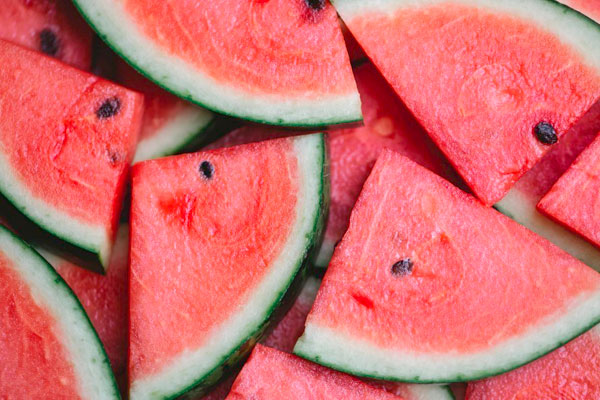
Cultivated and wild species from the family Cucurbitaceae: Cucumis sativus – cucumber; Cucumis melo – melon; Citrullus lanatus – watermelon; Cucurbita maxima – winter squash; Cucurbita moschata – muscat squash (butternut type); Cucurbita pepo – common pumpkin; Cucurbita ficifolia; Lagenaria siceraria – bottle gourd; Luffa cylindrica – loofah, vegetable sponge Luffa; Cucumis africanus; Cucumis anguria; Cucumis dipsaceus; Cucumis ficifolius and Cucumis mycrocarpus are wild species originating from Africa.
The most characteristic feature for all species of this family is the wide polymorphism with regard to the type of flowering, plant habit and fruit characteristics. In cucurbit crops three types of flowers are formed – male, female and hermaphroditic, with the hermaphroditic flower being evolutionarily the oldest. This genetic diversity determines the formation of seven flowering types depending on the combination of the three flower types: androecious – forms entirely male flowers; gynoecious – forms only female flowers; monoecious – forms male and female flowers; gynomonoecious – forms female and hermaphroditic flowers; andromonoecious – forms male and hermaphroditic flowers; trimonoecious – form male, female and hermaphroditic flowers; hermaphroditae – form only hermaphroditic flowers.
Plants whose flowers are unisexual are typically cross-pollinated. In them, geitonogamous pollination (with male flowers on the same plant) and xenogamous pollination (with male flowers of other plants of the same variety) occur. Those that possess hermaphroditic flowers are facultatively self-pollinated.
Pollination of these crops is carried out by insects, i.e. entomophilously, but most often by bees. The presence of pollinating insects is of great importance for the formation of fruit set and fruits. Only in cucumbers has parthenocarpic fruit formation been established, and only in the mini type and greenhouse cucumbers. In them, fruit formation can occur without pollination and fertilization of the flowers, which makes them very suitable for greenhouse production during the period from late autumn to early spring, when there are no insects to carry out pollination.
In practice, this point is often forgotten when growing crops from the family Cucurbitaceae and this usually causes the death of the fruit set in the absence of pollination or deformation of the fruits if it is insufficient. To ensure optimal conditions for this important process, it is necessary to place one beehive per 3-4 decares of area.
Pollination of parthenocarpic cucumbers must not be allowed, because the fruits become swollen towards the tip and are then categorized as non-standard. To avoid this, it is necessary to remove all plants with male flowers located close to the crop.
All sexual types are important in the breeding of heterosis varieties and in hybrid seed production. In the individual cucurbit crops, a specific flowering type is used. In cucumbers, the gynoecious and monoecious flowering types are preferred; in watermelons and melons – monoecious and andromonoecious; in pumpkins and summer squash, monoecious and subgynoecious predominate, the latter being characterized by the formation of male flowers at the beginning of plant growth (4-5th node), and later only female flowers.
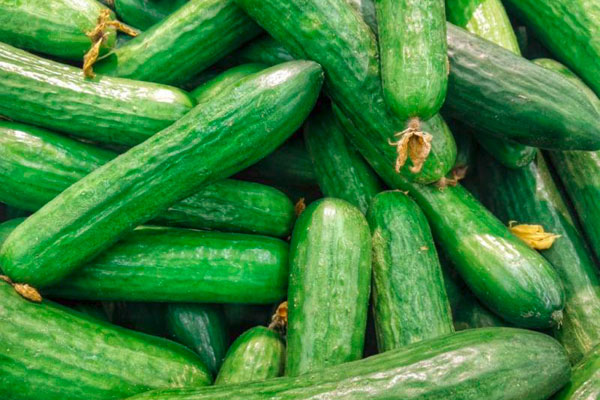
The fruits also exhibit great polymorphism. Cucumbers are divided mainly into four varietal types depending on fruit size. Small-fruited or gherkin types have a fruit length of 6 to 12 cm. Salad types have a fruit length of 20-28 cm. The mini varietal type is 12-18 cm, with parthenocarpic fruit formation. The greenhouse varietal type has a length of 28-34 cm, also with parthenocarpic fruit formation. In terms of rind colour at technical maturity, it can vary from light to dark green.
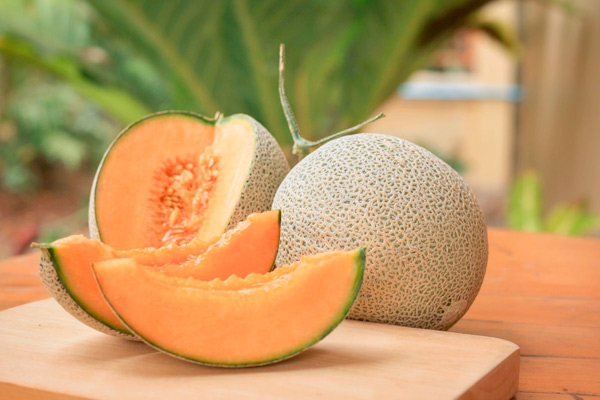
In melons, the diversity is so great that the species is classified into ten varieties, but for Bulgaria var. Cantalupensis and var. Inodorus are of greatest importance. The first varietas includes the summer melons, which are the most widespread. Varietas Cantalupensis itself also shows great diversity of varietal types, with the Vidin Koравци type being the most important for Bulgaria. Over the last 10-15 years, the Galia varietal type, mainly imported from Greece, has become established on the market, and more recently also the Charentais type (French type) and cantaloupe (American type). The second varietas, Inodorus, belongs to the winter melons, i.e. they ripen after a certain storage period, usually 2-4 weeks. Of these, the variety Honey Dew is the most widespread in our country, but recently there have also appeared melons of the Altınbaş type (from Turkey) and the Piel de Sapo type (from Spain).
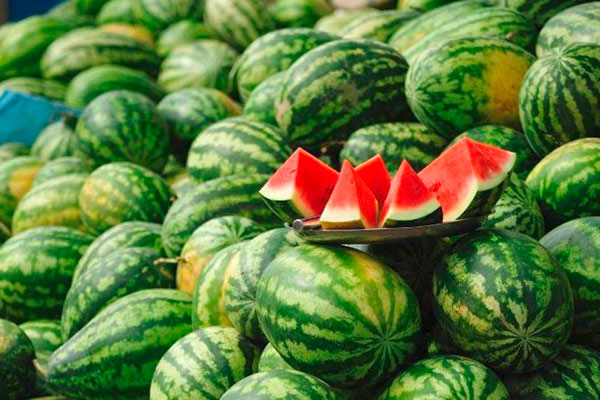
Watermelon fruits are characterized by red flesh colour, but pink and yellow are also found. The rind colour of the fruits can be of marble type, striped zebra type or tiger type. On the market, diploid watermelons, which form seeds in the flesh, are most common. To a lesser extent, triploid watermelons are distributed, which do not form seeds or have a small number of underdeveloped seeds.
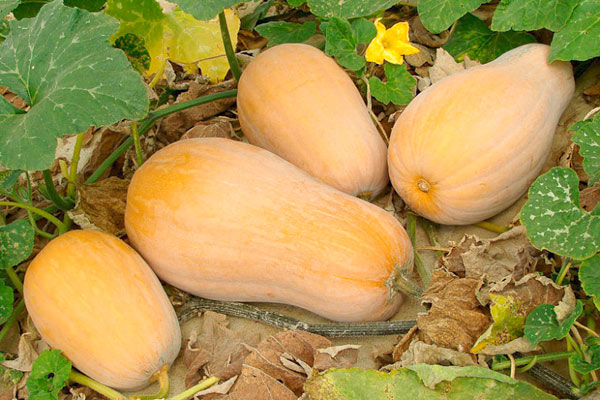
In pumpkins, the butternut type, winter squash and common pumpkin are found, which correspond to the species Cucurbita moschata, Cucurbita maxima and Cucurbita pepo. Summer squash (zucchini) belong to the latter species, with fruits having a regular cylindrical shape and, more rarely in some varieties, a spherical shape. The rind colour ranges from white to dark green.
With regard to plant habit, it may be indeterminate, i.e. with continuous growth, which is most often found in cucumbers, watermelons, melons and pumpkins. Determinate or bushy (internodes are strongly shortened), which is characteristic of summer squash (zucchini).