


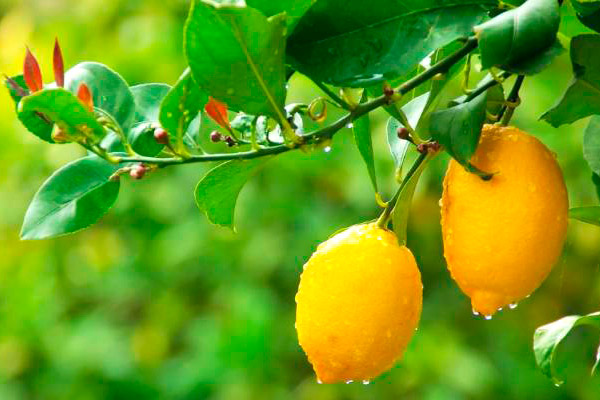
The insecticide chlorpyrifos is now considered highly toxic. It is assumed to damage the brain and nerves of human and animal embryos. Nevertheless, for many years it has been widely used in the EU, including in the treatment of citrus fruits. The chemical substance has successively received authorisations for use within the territory of the Union, despite strong criticism. In January 2020 its previous approval expired and, officially as of 10.01.2020, chlorpyrifos and chlorpyrifos-methyl have been banned from use on the European market.
The “Farm to Fork” strategy and the reduction of the use of chemical pesticides
The European Commission voted not to renew the authorisation for the use of chlorpyrifos after the expiry of its current approval, valid until the beginning of January 2020. In this way, the Commission adopted the assessment of the European Food Safety Authority (EFSA), which presented its report on this insecticide at the beginning of July 2019. EFSA’s concerns are that chlorpyrifos may lead to genotoxic and neurological effects during the development of the human embryo and, in general, may be harmful to human health.
The EU Commissioner for Health and Food Safety, Stella Kyriakides, stressed at the regular meeting of the Commission: “Protecting citizens from dangerous chemicals is one of the priorities of my mandate and of the European Green Deal. The Commission will not hesitate to ban pesticides that have been proven to have harmful effects on health. I now call on the Member States to remove products containing these two substances from their national markets.”
As part of the European Green Deal, in the first half of 2020 the Commission will present the “Farm to Fork” strategy, one of the objectives of which is a significant reduction in dependence on, risks from and use of chemical pesticides, fertilisers and antibiotics.
Preparations containing chlorpyrifos are used to control aphids, fruit flies and other pests. They are also widely applied in the cultivation of fruit, vegetables and cereals, as well as in viticulture and forestry. Products containing chlorpyrifos are distributed in a total of 20 European countries. In Southern Europe a large part of citrus fruit production is also treated with this insecticide. A significant proportion of products in the EU with proven presence of chlorpyrifos are imported goods.
In some EU countries, the dangerous insecticide was banned even before the discussion on the continuation of its use. In Germany, for example, chlorpyrifos has been banned since 2009, but many contaminated foods enter the market through imports. According to a report by “Süddeutsche Zeitung”, in 2017 every third imported grapefruit and orange and every fourth mandarin were contaminated with residues of the insecticide. Traces of chlorpyrifos were also found in every fifth sample of imported peppers.
How toxic is chlorpyrifos?
The active substance chlorpyrifos has been approved in the EU since 2006, and since then the authorisation has been extended several times. The risks have long been known: in the mid-2000s scientists found, in two successive long-term studies, that even small quantities of chlorpyrifos have a negative effect on the development of embryos.
The children of women who come into contact with chlorpyrifos during their pregnancy later have less pronounced reflexes, a higher risk of attention deficit hyperactivity disorder and other developmental disorders. Several subsequent studies support the initial research. In response, the use of chlorpyrifos indoors – for example in baits or insect sprays – was banned, which also had a positive effect according to the studies. However, the United States Environmental Protection Agency (EPA) rejected a ban in agriculture in the summer. It is likely to reconsider its decision at the end of 2020.
Given the known risks, chlorpyrifos should not have been approved as an insecticide in the EU, but for many years it has been a key part of the portfolio of companies engaged in plant protection products, as reported in December by Bayerische Rundfunk (BR) and the daily newspaper “taz”. According to the reports, which reflect studies on the hazards of the chemical substance, not all data were taken into account during the procedure, but only the conclusions of reports that are usually financed by industry.
Thus, in an animal study conducted as early as 1998 it was found that the brains of young rats are smaller than those of their parents and they have certain developmental disorders when the adult animals have eaten products containing chlorpyrifos.
Procedure for withdrawal from the market
Immediately after the entry into force of the decision of the European Commission to ban the use of chlorpyrifos and chlorpyrifos-methyl, all EU Member States are obliged to withdraw their approval for the two chemicals.
Thereafter, they may grant a transitional period of up to three months for use, storage or disposal.