

Usually in July in some regions the harvesting of late-ripening sweet cherries and sour cherries continues, and in apple, plum and peach orchards the harvesting of fruits from early cultivars begins. Shoot growth in July is completed, fruits increase in size intensively, and the process of flower bud formation starts. Care for the protection of the fruit crop and the trees continues.
In July in apple orchards, where scab infection has not occurred, spraying against this disease is discontinued. In the presence of infection on leaves and fruits and in case of frequent showers, the risk of late infections and an increase in the degree of fruit infestation persists, which in this case necessitates treatments also during this period.
In apple cultivars that are susceptible to powdery mildew, spraying against this disease also continues. For simultaneous control of both diseases it is best to use fungicides that are effective against both pathogens, such as: Strobi DF – 0.02%, Flint Max 75WG – 0.02%, Score 250 EC – 0.02%, Systhane Ecozome EW – 60–180 ml/da, Stroby DF/Discus DF/ – 0.02%, Difcor 250 EC – 15 ml/da, Shavit F 72 WG – 0.2%, Luna Experience – 20–75 ml/da or fungicide mixtures: Stroby DF – 0.02% plus Delan 700 WG – 0.035%, Delan 700 WG – 0.035% plus Bayfidan 250 EC – 0.015%, Dithane M-45 – 0.3% plus Bayfidan 250 EC – 0.015%. In apple cultivars that are resistant or very slightly susceptible to powdery mildew, for single-purpose control of scab one of the fungicides may be used: Chorus 50 WG – 0.03%, Manfil 75 WG – 320 g/da, Sancozeb 80 WP – 200 g/da, Faban SC – 120 ml/da.
To prevent the development of resistance of the fungus causing scab (Venturia inaequalis), it is best to alternate products with different modes of action on the pathogen or to use fungicide mixtures. For example, fungicides with the active substance difenoconazole (Score 250 EC) may be alternated with fungicides based on kresoxim-methyl (Stroby DF) or with cyprodinil (Chorus 50 WG). It is also advisable to include Dodine (Syllit 40 SC) in the programme.
Cultivars resistant to scab – Prima, COOP-10, Frolina, Liberty, Jonafree, Jonathan, Pioneer, Macfree, Pilot, Topaz, Novamak, Sava, Rubinola, etc., are sprayed only against powdery mildew and in them one of the fungicides may be used: Bayfidan 250 EC – 0.015%, Systhane Ecozome EW – 60–180 ml/da, Topsin M 70 WG – 0.12%, Kumulus DF – 0.2%. At high temperatures Kumulus DF, which is a sulphur-containing fungicide and may cause scorching in some cultivars, should not be used.
In July spraying is also carried out against the codling moth, San José scale and leaf-mining moths in apple. Treatments against pests are combined with those against diseases. For control of the codling moth the list of approved insecticides includes: Affirm 095 SG – 0.3%, Aficar 100 EC – 30 ml/da, Vaztak New 100 EC – 0.0125%, Decis 2.5 EC – 0.03%, Deka EC – 0.03%, Dursban 4E – 0.2%, Nexide 015 CS – 0.03%, Sumi Alpha 5 EC – 0.02%, Karate Zeon 5 CS – 0.02%, Karate Express WG – 60–100 g/da, Calypso 480 SC – 0.02%, Coragen 20 SC – 0.016%, Meteor SC – 60 ml/100 l water, Reldan 40 EC – 0.12%, Proteus O-TEQ – 0.05–0.06%, Runner 240 SC – 0.04%, Pirinex 48 EC – 0.12%, Supersect Mega – 0.015%, Sineis 480 SC – 20–37.5 ml/da, Sumi Alpha 5 EC – 0.02%, Efcimetrin 10 EC – 0.03%, Fury 10 EC – 0.125%, Cyclone 10 EC – 30 ml/da, Cyperfor 100 EC – 30 ml/da, Sherpa 100 EC – 0.03%, of which Aficar 100 EC – 30 ml/da, Vaztak New 100 EC – 0.0125%, Deka 25 EC – 0.03%, Dursban 4E – 0.2%, Karate Express WG – 60–100 g/da, Calypso 480 SC – 0.02%, Nexide 015 CS – 0.03%, Sumi Alpha 5 EC – 0.02%, Supersect Mega – 0.015%, Cyclone 10 EC – 30 ml/da, Efcimetrin 10 EC – 0.03%, Cyperfor 100 EC – 30 ml/da, Sherpa 100 EC – 0.03% are also effective against the spotted tentiform leaf miner. For control of San José scale the registered insecticides are: Bi-58 – 0.2%, Dursban 4E – 0.15%, Deka EC – 50–70 ml/da, Meteor SC – 90 ml/100 l water, Mulligan – 30–50 ml/da and Pirinex 48 EC – 0.15%.
Spraying against the red spider mite is also carried out if the problem has not been solved in June. When the population density of the red spider mite increases and reaches the economic threshold of harmfulness, spraying with one of the acaricides is required: Valmec EC – 60–96 ml/da, Vertimec 018 EC – 100 ml/da, Voliam Targo 063 SC – 0.075%, Envidor 240 SC – 40 ml/da, Zoom 11 SC – 25–50 ml/da, Milbeknock EC – 80–200 ml/da, Ortus 5 SC – 0.05%, Sanmite 20 WP – 0.05%, Masai WP – 25 g/da, Naturalis OD – 100–150 ml/da.
In pear orchards spraying against scab and white and brown leaf spots should continue. For control of these diseases one of the following fungicides is used: Dithane DG – 200 g/da, Dithane M-45 – 200 g/da, Difcor 250 EC – 15 ml/da, Luna Experience – 20–75 ml/da, Captan 80 WG – 150–180 g/da, Manfil 75 WG – 320 g/da, Scab 80 WG – 188 g/da, Polyram DF – 200 g/da, Sancozeb 80 WP – 200 g/da, Faban SC – 120 ml/da. Against the common pear psylla one of the following insecticides is added to the fungicide spray solution: Vaztak New 100 EC – 0.02%, Decis 2.5 EC – 0.03%, Decis 100 EC – 12.25 ml/da, Karate Express WG – 60–100 g/da, Masai WP – 25 g/da, Meteor SC – 90 ml/100 l water, Movento 100 SC – 0.12–0.15%, Naturalis OD – 100–200 ml/da, Proteus O-TEQ – 0.05–0.06%, Sumi Alpha 5 EC/Sumicidin 5 EC – 0.02%, Sineis 480 SC – 30–43.7 ml/da. The listed insecticides, with the exception of Masai WP, Movento 100 SC and Naturalis OD, are included in the list of approved products for control of fruit moths.
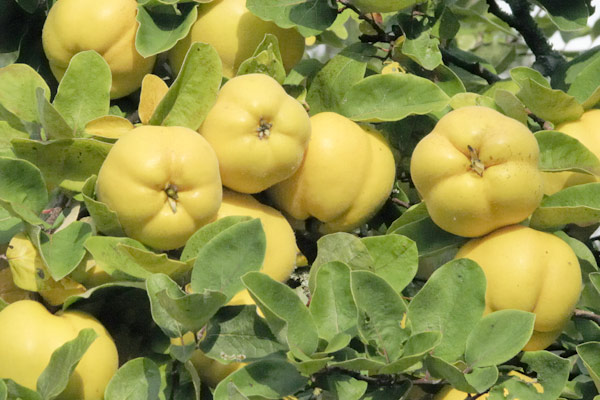
Fungicide sprays in quince are directed against brown rot and brown leaf spots, for which Chorus 50 WG – 0.03% or Luna Experience – 20–75 ml/da is used. For control of fruit moths one of the insecticides listed for control of the codling moth is added to the fungicide spray solution.
In July harvesting of sweet cherries and sour cherries continues and in these two crops no spraying is carried out. During harvesting all fruits must be picked in order to reduce to a minimum the overwintering infection of cherry fruit fly. In addition, during harvesting all fruits infected with brown rot can easily be removed and taken out of the plantation.
Usually in July in young non-bearing sweet cherry and sour cherry orchards, where the problem with the black cherry aphid has not been solved in June and the population density of the cherry leaf sawfly is high, it is necessary to spray with one of the insecticides: Mospilan 20 SG – 25 g/da, Karate Express WG – 40–60 g/da, Calypso 480 SC – 0.02%.
In plum orchards in July sprays are directed against brown rot, rust, plum fruit moth and the common plum scale. Against brown rot one of the fungicides is used: Difcor 250 EC – 20 ml/da, Captan 80 WG – 150–180 g/da, Systhane 20 EW – 12.5–30 ml/da, Systhane Ecozome EW – 65–200 ml/da, Chorus 50 WG – 0.045%. Against plum rust, Signum WG – 45 g/da is approved, which also gives good results against brown rot. Effective insecticides against plum fruit moth are: Vaztak New 100 EC – 0.0125%, Decis 2.5 EC – 0.05%, Dursban 4E – 0.15%, Coragen 20 SC – 16–30 ml/da, Eforia 045 ZC – 150 ml/da, Sumi Alpha 5 EC – 0.02%, Pirinex 48 EC – 0.15%, Runner 240 SC – 0.03%. Of the listed insecticides, Vaztak New 100 EC – 0.02%, Dursban 4E – 0.1% and Pirinex 48 EC – 0.15% are also approved for control of the common plum scale and can successfully be used for simultaneous control of both pests.
At the beginning of July the fruits of early peach cultivars begin to ripen and during this period no spraying is carried out on them. In late peach cultivars it is necessary to treat against powdery mildew, brown rot, Anarsia, oriental fruit moth and aphids. Against powdery mildew one of the fungicides is used: Score 250 EC – 0.02%, Systhane 20 EW – 15–36 ml/da, Luna Experience – 50 ml/da, Topaz 100 EC – 0.03%. For control of brown rot spraying is carried out with Delan 700 WG – 0.05%, Chorus 50 WG – 0.045% or Luna Experience – 63–75 ml/da. The use of Luna Experience in this treatment is preferable, considering that the product is effective against both economically important diseases – powdery mildew and brown rot. Against oriental fruit moth one of the insecticides is used: Avant 150 EC – 33.3 ml/da, Karate Express WG – 100–120 g/da, Eforia 045 – 150 ml/da, Nexide 015 SC – 0.03%, Decis 2.5 EC – 0.04%, Dursban 4 EC – 150–200 ml/da, Coragen 20 SC – 16–30 ml/da, Luzindo 40 WG – 25 g/da, Rapax SC – 100–200 ml/da, Sumi Alpha 5 EC – 0.02%. The listed insecticides, with the exception of Avant 150 EC and Eforia 045 ZC, are also included in the list of authorised products for control of Anarsia. At high aphid population density spraying is carried out with: Bi-58 – 0.07%, Karate Express WG – 40–60 g/da, Calypso 480 SC – 0.02%.
In July apricots ripen and no spraying is carried out on them.
In raspberry plantations during this period no spraying is carried out either, with the exception of remontant cultivars such as Lyulin. In them it is necessary to treat against didymella and anthracnose. One of the fungicides is used: Signum WG – 100 g/da, Dithane M-45 – 0.2%, Kocide 200 WG – 0.12%, Funguran OH 50 WP – 0.15% and Cuproset Gold M – 0.15%. In case of frequent showers and high atmospheric humidity it is necessary to spray also against grey mould. Switch 62.5 – 100 g/da is used.
After harvest the leaves of strawberry plantations are mown, taken out of the plantation and destroyed by burning or buried to rot. At high population density of the strawberry mite spraying is carried out in order to prevent damage to the young leaves. For its control one of the acaricides approved for strawberry is used: Valmec EC – 15–100 ml/da, Zoom 11 SC – 40–50 ml/da, Apollo 10 SC – 30–40 ml/da, Milbeknock EC – 100–150 ml/da.
Temperatures in July are high and this necessitates spraying early in the morning or in the evening, when temperatures are below 25°C. It is also very important to use products with a short pre-harvest interval, bearing in mind that during this period in some regions the harvesting of late-ripening sweet cherries and sour cherries continues, and in apple, plum and peach orchards the harvesting of fruits from early cultivars begins.
The adopted economic threshold levels for individual pests are:
Codling moth – 0.8–1% fresh entries;
Oriental fruit moth – 1.5% damaged fruits;
Plum fruit moth – 1–1.5% fresh entries;
Anarsia – 3% damaged shoots;
Cherry fruit fly – 10 flies/trap;
Aphids – 10–15% infested shoots;
Common plum scale – 5–7 individuals per leaf;
Leaf-mining moths – 1–2 fresh mines per leaf;
Fruit tree mites – 3–4 individuals per leaf;
Pear psylla – 4–6% shoots with colonies;
Strawberry blossom weevil and strawberry stem weevil – 15% infested plants.
In organic production the use of synthetic pesticides is not permitted. For control of fungal diseases copper-containing and sulphur-containing fungicides are used. For control of codling moth and oriental fruit moth Medex Top and Madex Twin – 10 ml/da are approved, as well as dispensers – RAK 3+4 for codling moth and RAK 5+6 and FEROCON AM for oriental fruit moth. Naturalis OD is included in the list for control of cherry fruit fly and common pear psylla.
Cherry fruit fly can also be controlled by yellow sticky traps, four traps being placed on each tree.
Against defoliating pests on fruit trees spraying is carried out with Dipel 2X – 0.1%. For control of the apple blotch leafminer an effective bioinsecticide is Neem Azal T/S – 300 ml/da.
Sineis 480 SC is authorised for use on: strawberry against thrips, apricot, peach and nectarine against the peach twig borer, pear against pear psylla and apple against codling moth and apple blotch leafminer.