

In November, agrometeorological conditions will be determined by temperatures around and below the climatic norms. At the beginning of November, the forecast below-normal thermal conditions will restrict the development of autumn-sown crops. An increase in temperatures and activation of the vegetation processes in wheat, barley and winter rapeseed is expected during the second half of the first ten-day period.
During most days of the first and second ten-day periods, the forecast unstable weather with frequent precipitation will impede the implementation of seasonal agrotechnical activities, the most important of which is the completion of wheat sowing. The precipitation that fell during the last week of October, which in many parts of the country exceeded the monthly norms (Veliko Tarnovo – 60 l/m², Svishtov – 62 l/m², Kazanlak – 75 l/m², Haskovo – 65 l/m², Stara Zagora – 60 l/m², Sliven – 74 l/m², Elhovo – 85 l/m², Karnobat – 210 l/m², Burgas – 92 l/m²), were the reason for missing the agrotechnical deadlines for sowing winter cereal crops in part of the field areas of the country.
At the beginning of November, the forecast below-normal thermal conditions will restrict the development of autumn-sown crops. An increase in temperatures and activation of the vegetation processes in wheat, barley and winter rapeseed is expected during the second half of the first ten-day period.
During the second half of November, the forecast values of the average daily temperatures for Northern Bulgaria will be within limits close to the biological minimum required for the development of winter cereal crops. In the higher fields and the Fore-Balkan, where snowfall is not excluded, cessation of vegetation in autumn-sown crops will be observed.
Conditions for vegetation in winter cereal crops and winter rapeseed during the second half of the month will be created mainly in the southern regions of the country and along the Black Sea coast.
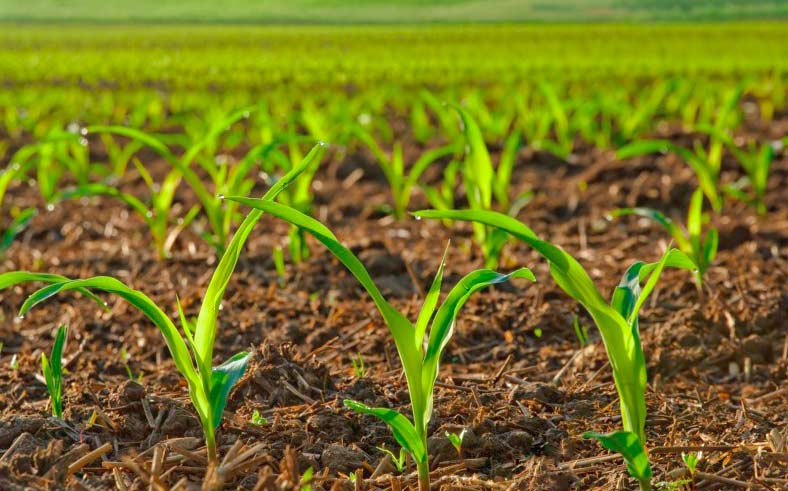
At the end of November, in wheat and barley sown in October, the tillering stage will predominate. In crops sown in November, emergence and the initial stage of leaf formation will be observed. Sowing of winter cereal crops carried out in November, after the agrotechnical deadlines, limits the possibilities for the crops to enter the tillering stage by the end of their autumn vegetation. In this stage, plants have increased cold hardiness, which to a large extent ensures their successful overwintering.
At the end of November, in winter rapeseed sown within the agrotechnical deadline – in September, the rosette formation stage (6–7 leaves) will be observed. During the month, critical minimum temperatures for agricultural crops are not forecast.
In November, more suitable conditions for planting fruit trees will occur at the end of the first, the beginning of the second, and during most days of the third ten-day period.
Source: NIMH-BAS