

At the beginning of the month, a delay in autumn sowing is expected due to adverse weather conditions. Improvement of the conditions for carrying out seasonal agrotechnical activities will occur during the second ten-day period of October. During most of the month, the vegetation of the autumn crops will proceed at a moderate pace.
During the first days of October, the development of the sown autumn crops will proceed at a slower pace under below-normal thermal conditions. In the higher fields, conditions will be created for the formation of frost, which will necessitate the timely harvesting of vegetable crops from late open-field production (tomatoes, peppers) that are susceptible to frost damage. The forecast precipitation during the first ten-day period of the month will further delay the completion of winter rapeseed sowing, the implementation of pre-sowing tillage, and the sowing of winter cereal crops. After the drought at the end of the summer, the significant rainfall at the beginning of the autumn, which in many parts of the country exceeded 40 - 45 l/m² (Vratsa - 69 l/m², Montana - 42 l/m², Lovech - 46 l/m², Plovdiv - 77 l/m², Pazardzhik - 65 l/m², Kardzhali – 74 l/m², Elhovo – Chirpan - 45 l/m²), caused overmoistening of the upper soil layers. For these reasons, delays in carrying out the autumn sowing operations are expected. During the first half of October is the agrotechnical period for wheat sowing in Northern Bulgaria, from 15 to 25 October - in Southern Bulgaria, and during the third ten-day period - for the regions along the Black Sea coast.
Improvement of the conditions for carrying out seasonal agrotechnical activities is expected during the second ten-day period of October.
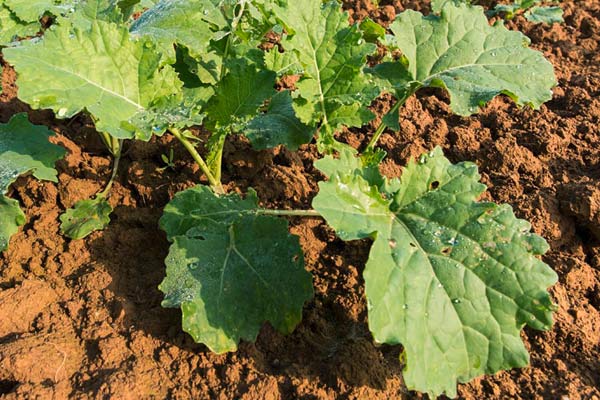
During most of the month, the vegetation of the autumn crops will proceed at a moderate pace. At the end of October, in wheat and barley, depending on the sowing dates, the following stages will be observed: emergence, third leaf, and beginning of tillering in the winter cereals sown at the end of September. In rapeseed, leaf formation will be underway. The earliest sown crops, during the third ten-day period of August, will reach the rosette formation stage by the end of October.
In October, frequent precipitation and high atmospheric humidity will increase the risk of development of certain diseases in rapeseed, phoma leaf spot (Leptosphaeria macularia) and alternaria leaf spot (Alternaria brassicae), in the initial stages of its vegetation. During the month, the occurrence and population density of certain pests must be monitored - cabbage stem flea beetle and rapeseed sawfly, which cause serious damage to rapeseed crops in autumn. When pest density exceeds the economic threshold of harmfulness, treatment is imperative.
Source: NIMH - BAS