

After the cool weather during the first days of autumn, a gradual improvement in thermal conditions is expected over the next period. The rainfall at the beginning of the third ten-day period and the forecast precipitation in the second half of the period will improve the soil moisture content in the arable layer and the conditions for carrying out seasonal soil tillage. The deepening drought at the end of the summer has seriously hindered the performance of deep ploughing and pre-sowing tillage of the areas intended for sowing with rapeseed and winter cereal crops. For these reasons, delays are expected in the implementation of the upcoming autumn sowings. The optimal sowing dates for winter rapeseed expired at the end of the second ten-day period of September. During the next period, the agrotechnical timeframes for sowing winter cereal crops in the high fields will begin.
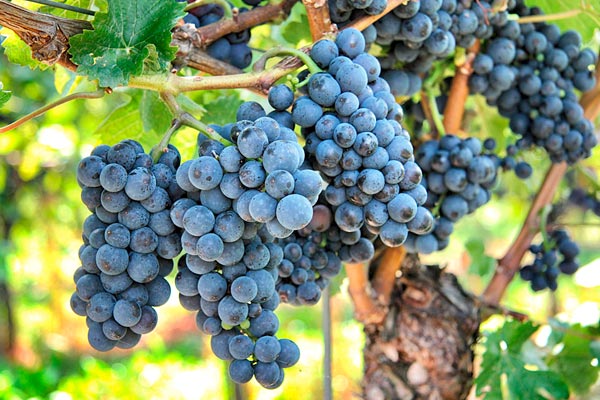
At the end of September, the late maize hybrids will complete their development. A large part of the red wine grape varieties will reach technological maturity, and the autumn fruit tree varieties will reach picking maturity. At the beginning of the period, ground frosts in the high fields are not excluded, which requires the prompt harvesting of late vegetable crops susceptible to frost damage. The forecast temperatures and precipitation during the last days of the period will create conditions for the development of certain pathogens on the ripened fruit harvest – grey mould on the late grape varieties, and late brown rot on the fruits of the autumn fruit tree varieties.
Source: NIMH-BAS