

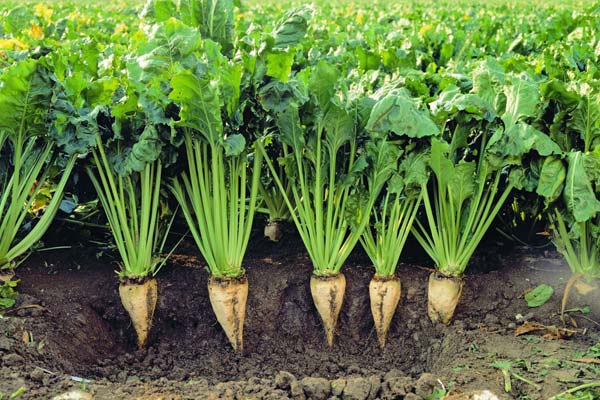
At the beginning of September, the forecasted warm, and in many places in the lowland areas even hot weather, will accelerate the progress of the final stages of development of the late field crops. By the middle of the first ten-day period, the medium-late maize hybrids will reach dough and full maturity, while the late hybrids will be in the milk stage and transitioning to dough maturity. Sugar beet will predominantly be at technological maturity.
In the middle of the month, the agrometeorological conditions will undergo a change. Precipitation and a decrease in temperatures are forecast, along with an increased risk of development of pathogens causing rots in the ripening fruit and vegetable production – grey mould on grapes (Botrytis cinerea), late brown rot (Monilia fructigena) on the fruits of autumn-winter fruit tree varieties, potato late blight on tomatoes (Phytophthora infestans), etc. After the brief cooling during the second ten-day period, above-normal thermal conditions are again expected. During this period, the late maize hybrids will complete their development, and rice will reach dough and full maturity. At the end of the ten-day period, cotton will enter the ripening stage. As a result of the above-normal temperatures, later than usual red wine grape varieties will reach technological maturity earlier than the typical dates, in the second half of September.
For most of the second and third ten-day periods, relatively dry weather is forecast, providing suitable conditions for carrying out seasonal agrotechnical activities such as completing the sunflower harvest, harvesting maize, performing deep ploughing and pre-sowing tillage of the areas intended for sowing with autumn crops. The end of the second ten-day period of September is the optimal time for sowing winter oilseed rape. At the end of the month, in the higher fields, the agrotechnical timeframes for sowing winter cereal crops begin.
During September, critical minimum temperatures are not forecast. The conditions will allow the formation of additional production from late vegetable crops susceptible to frost.
Source: NIMH–BAS