


The usually dry and hot weather in August limits the spread of a number of fungal diseases in fruit crops and vineyards, but it also causes fruit to ripen in a shortened period.
Treatments against pests should be carried out during the cooler hours of the day, using plant protection products with a pre-harvest interval in accordance with the period of fruit ripening and harvesting.
Pome fruit species
Main pests for the period
Apple powdery mildew Podosphaera leucotricha
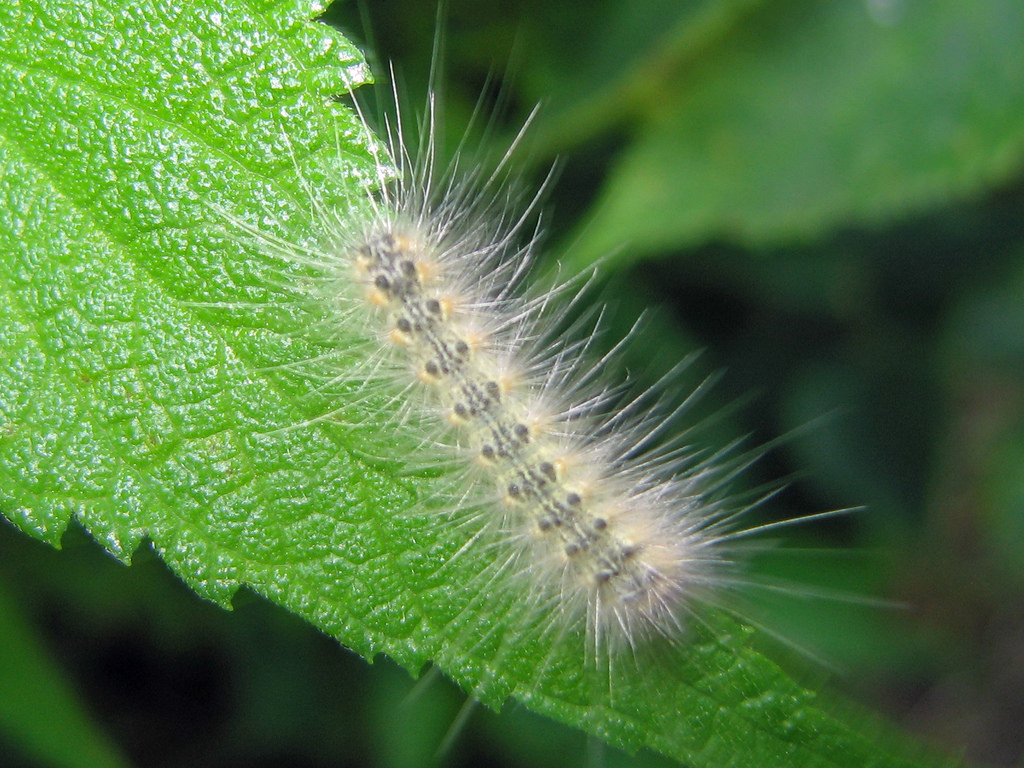
Fall webworm Hyphantria cunea
Coddling moth Laspeyresia pomonella =Cydia pomonella
Round leafminer moth Cemiostoma scitella = Leucoptera malifoliella
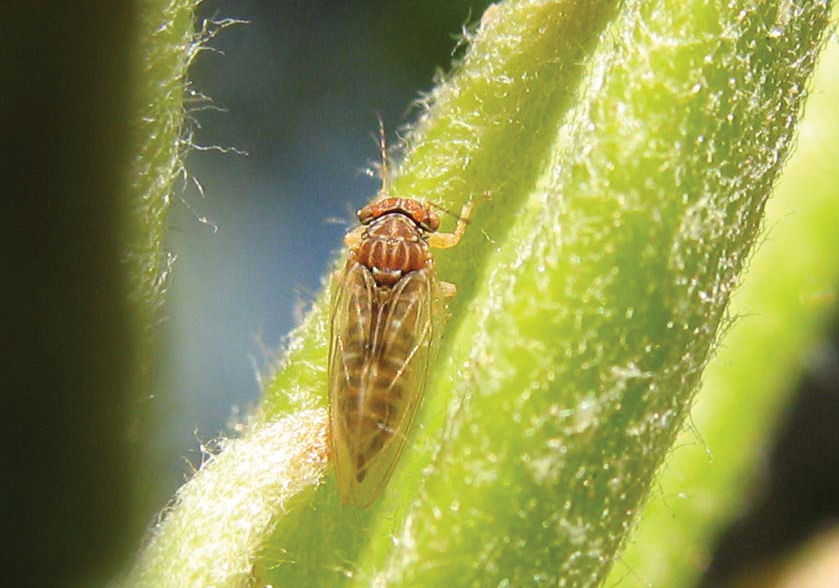
Pear psylla Cacopsylla pyri
San Jose scale Quadraspidiotus perniciosus
Aphids fam. Aphididae
European red mite Panonychus ulmi
Pear psylla
During the month mixed populations of adults, larvae and nymphs of the pest. are observed. They form dense colonies and suck sap from leaves, shoots and fruits, excreting honeydew on which sooty mould fungi develop. The affected leaves and shoots blacken, and the fruits lose their market value. Pear psylla causes not only direct damage, but also transmits a dangerous mycoplasma disease, which leads to drying out and death of pear trees.
Strategy for pest control:
Chemical control is carried out at an ETL : 4-6% shoots with colonies of larvae and adults.
Authorised plant protection products:
vaztak nov 100 EC - 0.02%; deka EC / desha EC/dena EC - 75 ml/ha; decis 2.5 EC – 0.03%; decis 100 EC - 12.25 ml/ha; dimilin 25 WP - 0.04%; karate express WG / ninja / forza - 80-100 g/ha; masai WP - 25 g/ha; meteor - 90 ml/100 l water; movento 100 SC - 0.12-0.15%; naturalis - 100-200 ml/ha; ovitex - 2000 ml/ha or 2 x 1000 ml/ha; proteus O-TEQ - 0.05-0.06%; sineis 480 SC - 30 – 43.7 ml/ha; sumi alfa 5 EC/sumicidin 5 EC - 0.03%.
San Jose scale
In August, the birth of larvae of the third generation begins. About one third of them enter diapause and remain to overwinter. The remaining part develop into adults, which appear at the end of September. Damage to fruits is manifested by the appearance of red, round spots with a white dot in the centre (the scale shield of the insect). These injuries are of little economic significance.
Strategy for pest control:
When density is established above the ETL:10 pcs/100 cm branch or 2-3 damaged fruits, treatment is carried out against adult males and first-instar mobile larvae.
Authorised plant protection products: bi-58 – 0.2%; brai - 28-50 ml/ha; deka EC / desha EC/dena EC - 50-75 ml/ha; dursban 4 EC - 150-187 ml/ha; meteor - 90 ml/100 l water; mulligan - 30-50 ml/ha; ovitex - 2000 ml/ha; pyrinex 48 EC - 0.15%.
Stone fruit species
Main pests for the period
Peach powdery mildew Sphaerotheca pannosa
Late brown rot Monilinia fructigena
Plum fruit moth Laspeyresia funebrana = Grapholita (Aspila) funebrana
Oriental fruit moth Grapholitha molesta
Peach twig borer Anarsia lineatella
Slugworm (cherry slug) Caliroa cerasi (lymacina)
Oriental fruit moth
During the month, the development of the third and fourth generations of the pest takes place. The caterpillars of these generations damage the fruits. At the site of penetration, darkening of the tissues and excrements wrapped in silk threads can be seen. The damaged fruits rot, show signs of premature ripening and fall off.
Strategy for pest control:
Chemical control is carried out at an ETL:
-during the vegetation period – 10-15 moths/trap/week;
-young orchards – 2-3% infested shoots by the caterpillar;
-fruit-bearing orchards - 5% damaged shoots or 2-4% infested fruits by the caterpillar.
Authorised plant protection products:
avant 150 EC - 33.3 ml/ha; vaztak nov 100 EC – 0.0125%; deka EC / desha EC/dena EC - 50 – 70 ml/ha; decis 2.5 EC – 0.04%; dimilin 25 WP - 0.04%; dursban 4 EC - 150-200 ml/ha; eforia 045 ZC - 150 ml/ha; karate express WG / ninja / forza - 100-120 g/ha; coragen 20 SC - 16 – 30 ml/ha; luzindo 40 WG - 0.025 kg/ha; Madex Twin - 10 ml/ha; METEOR - 90 ml/100 l water; runner 240 SC – 0.03%; rapax SBS Europa - 100-200 ml/ha; sumi alfa 5 EC/sumicidin 5 EC – 0.02%.