

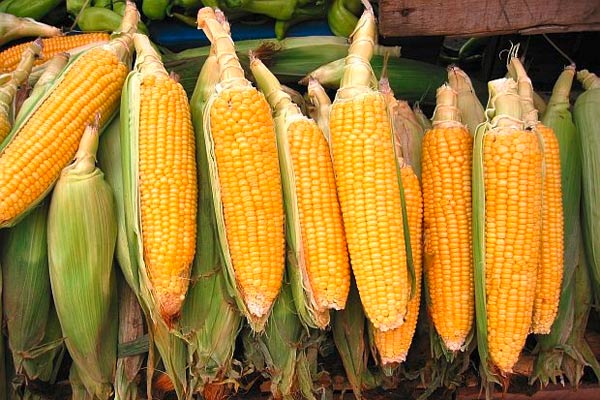
During the first ten-day period of July, above-normal precipitation is forecast, as well as an improvement in soil moisture reserves and in the conditions for the vegetation of spring crops. However, the forecast high maximum temperatures during the third ten-day period of the month will have an adverse effect on flowering and fertilization in vegetable crops and in later maize hybrids.
In July, the development of agricultural crops will take place at temperatures close to the climatic norms. The determining factor for the vegetation of spring crops will be the soil moisture reserves. At the beginning of the summer, as a result of the dry and hot weather, the moisture reserves in the 50 and 100 cm soil layers decreased significantly. In some field areas, in maize and sunflower, they were at levels below 65% of FWC (field water capacity).
During the first ten-day period of July, above-normal precipitation is forecast, as well as an improvement in soil moisture reserves and in the conditions for the vegetation of spring crops, some of which are in the reproductive stage of their development and have increased moisture requirements in the soil. During this ten-day period, in earlier maize hybrids the following stages will be observed – tasseling, flowering of the tassel and silking, while in later hybrids – leaf formation. In sunflower, the flowering stage will take place; in cotton – predominantly the budding stage; and in beans and soybeans – pod formation.
The expected unstable weather with frequent precipitation until mid-month will hinder the harvesting of wheat in many parts of the country. An increased probability of hail and a risk of losses of unharvested grain crops is forecast. During the second ten-day period, the development of agricultural crops will proceed at a moderate rate.
During the third ten-day period, agrometeorological conditions will be determined by hot and relatively dry weather. The forecast above-normal thermal conditions will accelerate the vegetation of spring crops. During this ten-day period, early maize hybrids will enter the milk ripeness stage; in sunflower, seed filling will take place; in cotton – the flowering stage. At the end of the month, in the field areas, the ripening stage will be observed in beans. The forecast extremely high maximum temperatures, in places up to 38–39°C, will have an adverse effect on flowering and fertilization in vegetable crops and later maize hybrids.
During the third ten-day period, the dry and hot weather will limit the development of a number of fungal diseases, with the exception of powdery mildews in fruit trees, vegetable crops and vines. In fruit crops, control against the second generation of fruit moths should not be underestimated. Plant protection treatments are recommended to be carried out during the cooler hours of the day.
Source: NIMH-BAS