

![MultipartFile resource [file]](/assets/img/articles/заглавна-прогноза-октомври-2026.jpg)
During the first ten days of October, agrometeorological conditions will be determined by unstable weather and average daily temperatures around and below the climatic norms. The forecast cool and wet weather on most days of the period will be a prerequisite for the development of pathogens - late brown rot on the fruits of autumn varieties of fruit trees (Monilia fructigena), gray mold (Botrytis cinerea) on the unharvested grape harvest. Mass frosts are expected at the end of the ten-day period, which requires timely harvesting of vegetable crops subject to frost.
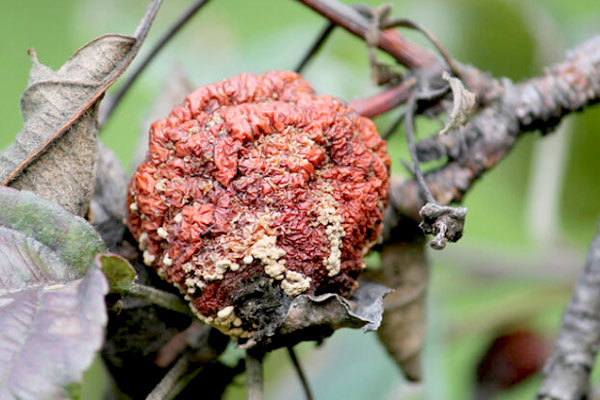
Late brown rot on the fruits of autumn varieties of fruit trees (Monilia fructigena)
During the first ten days of October, precipitation is forecast, improvement of the condition of the upper soil layers and of the conditions for carrying out seasonal soil tillage. The drought at the end of summer hindered the carrying out of pre-sowing tillage of the areas intended for sowing with winter crops. For this reason, the agrotechnical deadlines in September for sowing winter rapeseed have been missed.
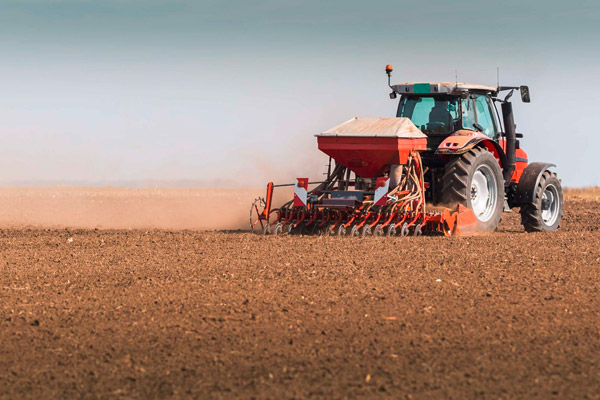
October is the optimal time for sowing winter cereals. During the first ten days is the agrotechnical deadline for sowing wheat in Northern Bulgaria, from 15 to 25 October - in Southern Bulgaria, and at the end of the month – in the areas along the Black Sea coast.
The agrometeorological conditions in the period 9-16 October will be dynamic. At the beginning of this seven-day period, the forecast average daily temperatures will be above normal, and during the rest of it they will be within the climatic norms. At the beginning of the period, local and light precipitation is forecast in Western Bulgaria, and towards the middle also in the field areas of Central and Eastern Bulgaria. In places the amounts will be significant, which will improve the moistening of the upper soil layers. Conditions for the formation of frosts are not expected.
With the exception of some areas in Western Bulgaria, during the first half of the forecast period, the agrometeorological conditions will be suitable for the final harvesting of the grape and fruit plantations, clearing the areas of row crops and late vegetables, as well as for lifting fodder and sugar beet, which are in the phase of technological maturity. The conditions will be suitable for carrying out agrotechnical activities related to the sowing of winter cereals. In case of heavy weed infestation of the areas, it is advisable to carry out autumn application of herbicides.
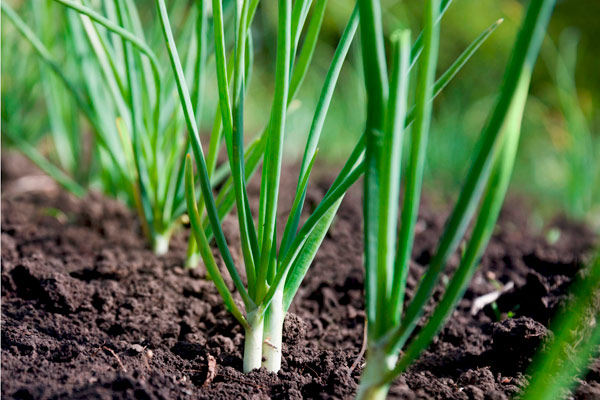
Until the middle of the period, the agrometeorological conditions will allow the application of mineral and organic fertilizers, as well as pre-winter planting of onions for green, winter garlic, lettuce and spinach.
The rains expected during the second half of the forecast period will greatly limit the possibilities for carrying out agricultural activities.
During the second and third ten-day periods, the agrometeorological conditions will be determined by temperatures close to the usual ones. The expected precipitation during the first half of the second ten-day period, at the beginning of the third and at the end of the month, will improve the soil moisture reserves in the 50 cm layer and the conditions for the course of the initial phases of the vegetation of the sown winter crops. At the end of October, in wheat and barley, depending on the sowing dates, the phases of emergence and formation of 1-2-3 leaves will be observed.
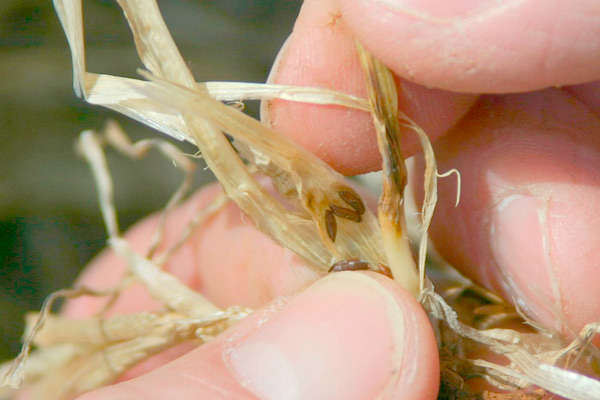
In October, autumn crops are attacked by pests. In winter cereals, the presence of common vole, wheat ground beetle and wheat flies must be monitored. When the number of pests exceeds the economic threshold of harmfulness (ETH), timely treatment is necessary. For the common vole, the ETH is 2 active colonies per decare, for the common wheat ground beetle - 3 larvae/m².