

![MultipartFile resource [file_data]](/assets/img/articles/заглавна-чушки-юли-2026-2.jpg)
At the end of June and the beginning of July, the development of agricultural crops will proceed under above-normal temperatures and, in many places in the eastern and southeastern regions, under a forming moisture deficit in the 50 cm soil layer. Low, below 65% of field capacity (FC), are the soil moisture reserves for spring crops in part of the northeastern regions (agricultural stations Razgrad, Silistra). In the western and central regions, following the rainfall during the third ten-day period of June, there was an improvement in soil moisture reserves - of importance for spring crops, some of which are in the reproductive stage of development, with increased requirements for soil moisture.
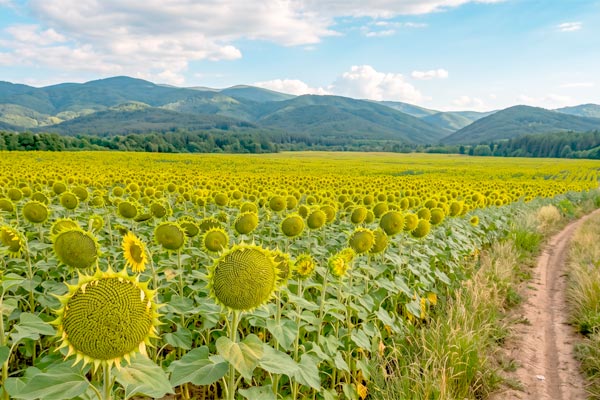
At the beginning of July, in sunflower in the high fields, inflorescence formation will be observed, and in the field areas - the beginning of the flowering phase. In maize, depending on its earliness, different phases will occur: leaf formation, tasseling, and flowering of the tassel, mainly in early hybrids. During the period, the forecast high maximum temperatures, on the order of 37-38°C, will have an adverse effect on flowering and fertilization in spring crops.
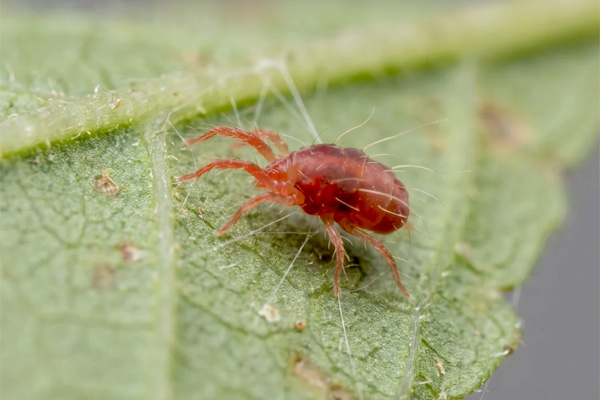
In dry and warm weather, the population density of the European red mite increases. During the summer, it develops several generations, resulting in a large accumulation of the pest on plants. At very high density or competition with other species of tetranychid mites, the motile forms (larvae, nymphs, and adults) of the European red mite may move to and suck sap from the upper side of the leaves as well. In cases of severe infestation, entire leaves take on a bronze appearance, after which they yellow and fall prematurely.
The high temperatures and low atmospheric humidity during most days of the period will be a prerequisite for an increase in the mite population. In apple orchards, it is necessary to monitor for the presence of the most dangerous one - the European red mite - and when the number exceeds the economic threshold level (ETL) (3-4 motile forms per leaf), timely treatment is recommended. If necessary, plant protection sprays should be carried out during the cooler hours of the day, at temperatures below 25°C.
In the eastern and southern regions, no rainfall is expected, and conditions will be suitable for harvesting the grain crop.
During most days of the second and third ten-day periods, the agrometeorological conditions will be determined by relatively dry, warm, and in many places in the field areas, hot weather, with extremely high maximum temperatures reaching 38-43⁰С. These values are a prerequisite for heat stress, disturbed water balance, and sterility in spring crops that have entered the flowering phase. During the second and third ten-day periods of July, no rainfall of economic significance is expected, which will necessitate the application of increased irrigation rates for later spring and vegetable crops.
The forecast above-normal thermal conditions will shorten the interphase periods in the development of maize and sunflower. At the end of the second and the beginning of the third ten-day period, part of the early maize hybrids will enter the milk maturity phase. In sunflower, seed formation and filling will occur. At the end of the month, in places in the far southern regions, the beginning of the ripening phase will also be observed in crops sown within the agrotechnical period.
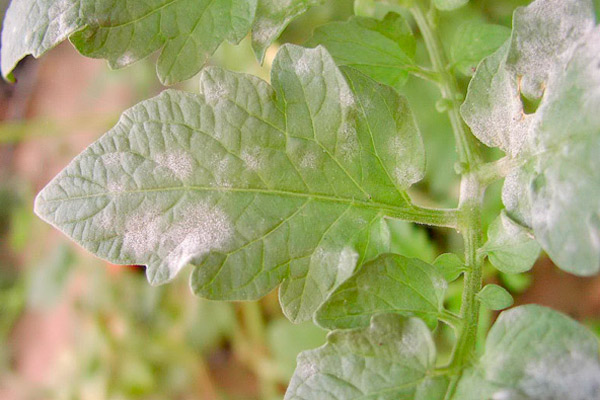
Powdery mildew is a common disease on many vegetable species. The pathogens that cause it are different - Erysiphe spp., Sphaerotheca spp.; Leveillula spp. and Oidium spp. Each pathogen attacks only certain plant species. Among the vegetable crops affected by powdery mildew are tomatoes, cucumbers, peppers, eggplants, carrots, watermelons, melons, other cucurbits, peas, green beans, lettuce, salad greens, as well as potatoes. For its development, powdery mildew usually does not require a drop of water for the germination of conidia, but it needs high air humidity and temperature.
In July, the meteorological conditions will limit the development of a number of fungal diseases, with the exception of powdery mildews on fruit trees, vegetable crops, and vines.
Do not underestimate the second generation of fruit worms
During the month, a serious danger to fruit crops is the second generation of fruit worms. In vines, especially in dessert varieties, damage is caused by the caterpillars of the second generation of the European grapevine moth. During the month, if necessary, plant protection sprays should be carried out during the cooler hours of the day.
There is a high risk of hail.
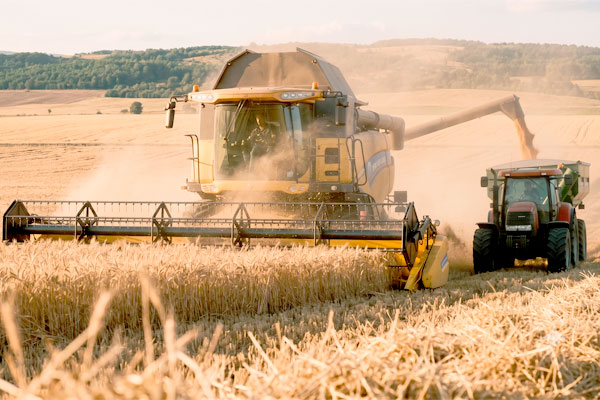
In July, the harvesting of the grain crop will take place under conditions of increased fire hazard.