

![MultipartFile resource [file_data]](/assets/img/articles/пшеница-октомври.jpg)
For most days at the end of October, agrometeorological conditions will be determined by unstable weather and temperatures close to and above climatic norms. The expected rainfall in the last week of October will further delay the sowing of winter grain crops.
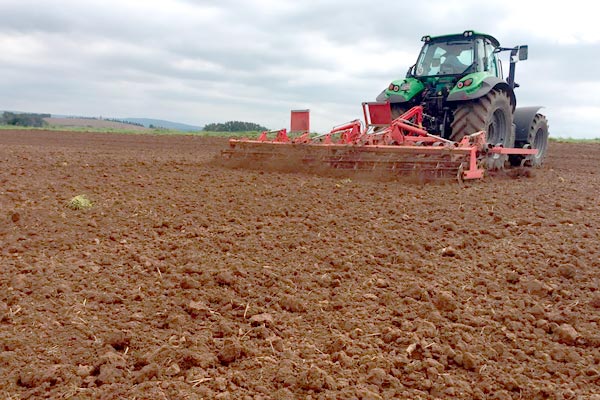
The drought and subsequent excessive rainfall at the beginning of autumn hindered the performance of pre-sowing treatments. Due to these objective reasons, in Northern Bulgaria, with the exception of some northeastern regions, the agrotechnical deadlines for wheat sowing have been missed. At the end of October, the agrotechnical deadline for sowing winter grain crops also expires in Southern Bulgaria, and currently only a small part of the planned areas has been sown.
By the end of the month, the vegetation of the sown winter crops will proceed at a moderate pace, with very good moisture reserves in the upper soil layers - over 75-80% of FC.
Supporting crops with micronutrients in autumn
By the end of October, winter grain crops (Novachene, Dobrich, Karnobat) will be in the emergence and initial leaf formation phase. In this phase, cereal crops need timely support with micronutrients to catch up with tillering and enter an optimal phase for overwintering.
The most effective dose of micronutrients in this period is the combination of manganese, copper, zinc, and silicon – it supports cell elasticity, thickens plant tissue walls, and makes plants more resistant to cold and pathogens.
In field cultivation, where plants are exposed to many adverse effects, silicon (Si) plays an important role in plant health. One of its main contributions is that it helps strengthen cell walls by depositing solid silicon dioxide. Besides a structural role, silicon helps protect plants from pest attacks, diseases, and improves plant tolerance to environmental stress factors.
Results from studies conducted on wheat show that treating plants with Si reduces the ability of aphids to lay eggs and leads to a reduction in their population.
Autumn agrotechnical and plant protection measures for rapeseed
For rapeseed, autumn fertilization is also mandatory – with boron and potassium, which play a direct role in root system development, especially in wet and unstable climatic conditions.
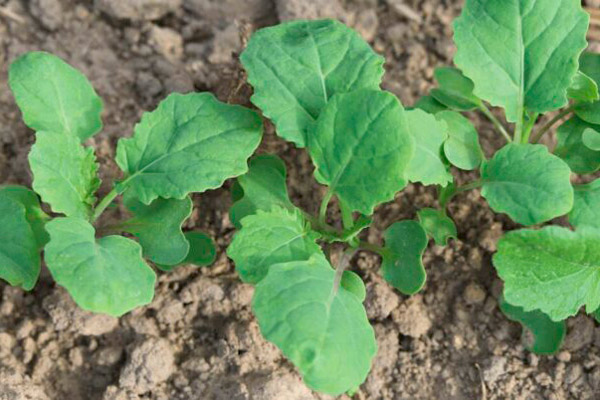
Rapeseed is a crop with a high demand for boron. The absorbed amount of boron during vegetation is 30 – 50 g/da depending on leaf development. Boron in the soil is difficult for the plant to access during drought, high pH values, and after liming. Additionally, in light soils, boron losses are observed due to leaching in the root zone.
Boron is poorly available also with high nitrogen content or high calcium content, during cold, humidity, and drought.
Along with boron, the micronutrients molybdenum and manganese are important in rapeseed production.
A cessation of rainfall and a gradual improvement in conditions for conducting seasonal agrotechnical measures are expected to begin at the end of the period.