

![MultipartFile resource [file_data]](/assets/img/articles/ябълки-прогноза-септември-2025.jpg)
In September, agrometeorological conditions will be determined by temperatures above the climatic norms and precipitation around and below the monthly norm.
After the deepening drought, the rainfall at the end of August was local and only in certain places in the central and eastern regions did it moisten the upper soil layer. In most of the arable regions, productive moisture is absent in the 50 and 100 cm soil layers.
During the first and second ten-day periods of September, precipitation of agronomic significance is not forecast, and in many places in the arable regions the dry and compacted soil will hinder the performance of deep ploughing and pre-sowing tillage of the areas designated for sowing with rapeseed. The likelihood of serious delays in the sowing of this oilseed crop, which requires precise agrotechnics, is high. The agrotechnical period for sowing rapeseed is from the end of August to the end of the second ten-day period of September.
In September, the forecast above-normal thermal conditions will accelerate the final stages of development of the late agricultural crops that have overcome the adverse effects of the prolonged summer drought. At the beginning of the month, medium-late maize hybrids grown under irrigated conditions will be at waxy and full maturity, while late hybrids will be in transition from milk to waxy maturity.
On most days of the month, the forecast relatively dry and warm weather for the end of summer and the beginning of autumn will provide suitable conditions for harvesting the grape crop. As a result of above-normal summer temperatures, the late wine grape varieties will reach technological maturity earlier than the usual dates.
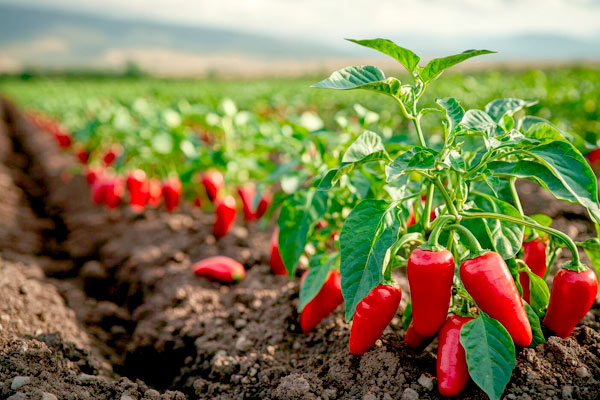
The meteorological conditions in September will limit the development of fungal diseases, with the exception of powdery mildews. For vegetable crops from late open-field production, plant protection spraying against mites, cabbage moth and cotton bollworm, which cause damage and deteriorate the quality of the vegetable yield, should not be underestimated.
During the month, the harmful activity of a large part of the pests on fruit crops comes to an end. At the end of September, it is advisable to inspect pear orchards for the presence of the pear bud weevil. Control of this pest is effective only against the adults at the beginning of autumn. When the pest density exceeds the economic threshold of harmfulness (3 beetles per tree), treatment must be carried out.
As a result of above-normal summer temperatures, some of the early autumn fruit tree varieties not affected by spring frosts will reach harvest maturity (apples: Golden Parmena, Jonathan, Red Delicious, Golden Delicious, Canadian Reinette, etc.).
In September, critical minimum temperatures are not forecast, and conditions will allow the formation of additional production from late vegetable crops susceptible to frost.