

![MultipartFile resource [file_data]](/assets/img/articles/прогноза-юни-2025.jpg)
On most days in June, agrometeorological conditions will be determined by temperatures above the climatic norms and precipitation around and below the monthly norm.
At the beginning of June, a substantial increase in temperatures and an acceleration of the development rates of agricultural crops are forecast. The meteorological conditions will be determined by above-normal temperatures, which will maintain accelerated development rates in agricultural crops. At the beginning of the month, high maximum temperatures are expected in the field areas, in places up to 35-36°C, which, in combination with low air humidity, will have a negative impact on flowering, fertilization and the formation of reproductive organs in vegetable crops from the early field production (beans, tomatoes, peppers, cucumbers, zucchini, etc.).
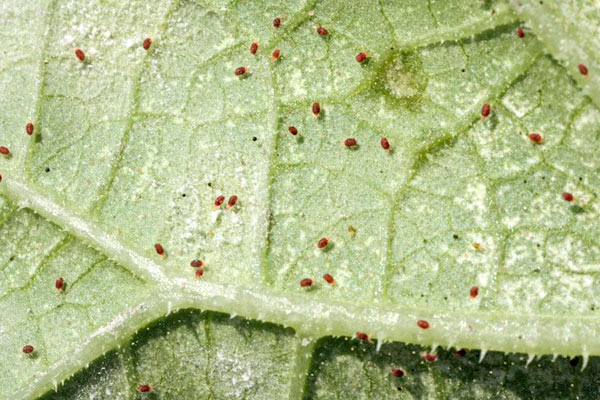
The forecast hot and relatively dry weather during most days of the period will be a prerequisite for an increase in mite populations.
Plant protection spraying against diseases and pests should be carried out during the cool hours of the day, at temperatures below 25°C.
The expected precipitation during the second half of the first ten-day period will maintain good moisture reserves in the 50 cm and 100 cm soil layers.
The significant rainfall at the end of May improved soil moisture reserves and in most of the field areas they reached levels up to and above 85% of field capacity. The presence of good soil moisture reserves during the first ten days of June will have a beneficial effect on spring crops and on wheat stands, in which grain filling and the milk ripeness stage will take place. At the end of the ten-day period, in barley in some of the eastern and southern regions (Targovishte, Provadia, Karnobat), the wax ripeness stage will also be observed.
The forecast above-normal thermal conditions during the second ten-day period will also accelerate the ripening processes in winter cereal crops. During this period, in wheat in the field areas, the transition from milk to wax and full wax ripeness will take place.
During the third ten-day period, the development of agricultural crops will occur at temperatures close to the climatic norms. At the end of the ten-day period, in sunflower sown within the agrotechnical timeframe, the beginning of the flowering stage will be observed. In early maize hybrids, the tasseling and flowering of the tassel stages will take place.
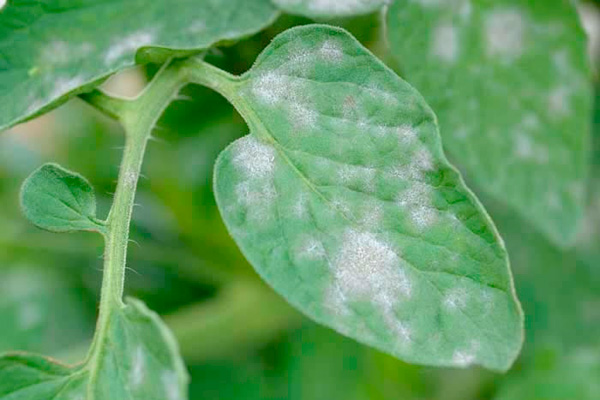
Powdery mildew is rarely found in cultivation facilities. It is typical for regions characterized by low air humidity. Whitish to yellow spots of irregular shape form on the leaves. On the underside they are covered with a sparse white coating formed by the sporulation of the fungus. In cases of severe infestation, the spots merge and the leaf scorches. The fungus attacks only the leaves of the plants. Optimal conditions for its development are temperatures above 25°C and humidity below 60%. In recent years, a new species has been identified which attacks only greenhouse tomatoes and its requirements for environmental conditions are different.
The meteorological conditions in June will maintain an increased infection background of fungal pathogens: late brown rot in fruit trees, downy mildews in vegetable crops and vines. In the vine, the interphase period from flowering of the inflorescences to fruit set (pea-sized berries) is critical for infection with downy mildew and powdery mildew. During the month, in the vine, treatments against the European grapevine moth should continue, and in orchards – against codling moths, leaf-mining moths and aphids. More suitable conditions for conducting plant protection spraying will be created during the first half of the first and during most days of the second ten-day period.