![MultipartFile resource [file_data]](/assets/img/articles/заглавна-изк-95.jpg)
95 years – together in vegetable production
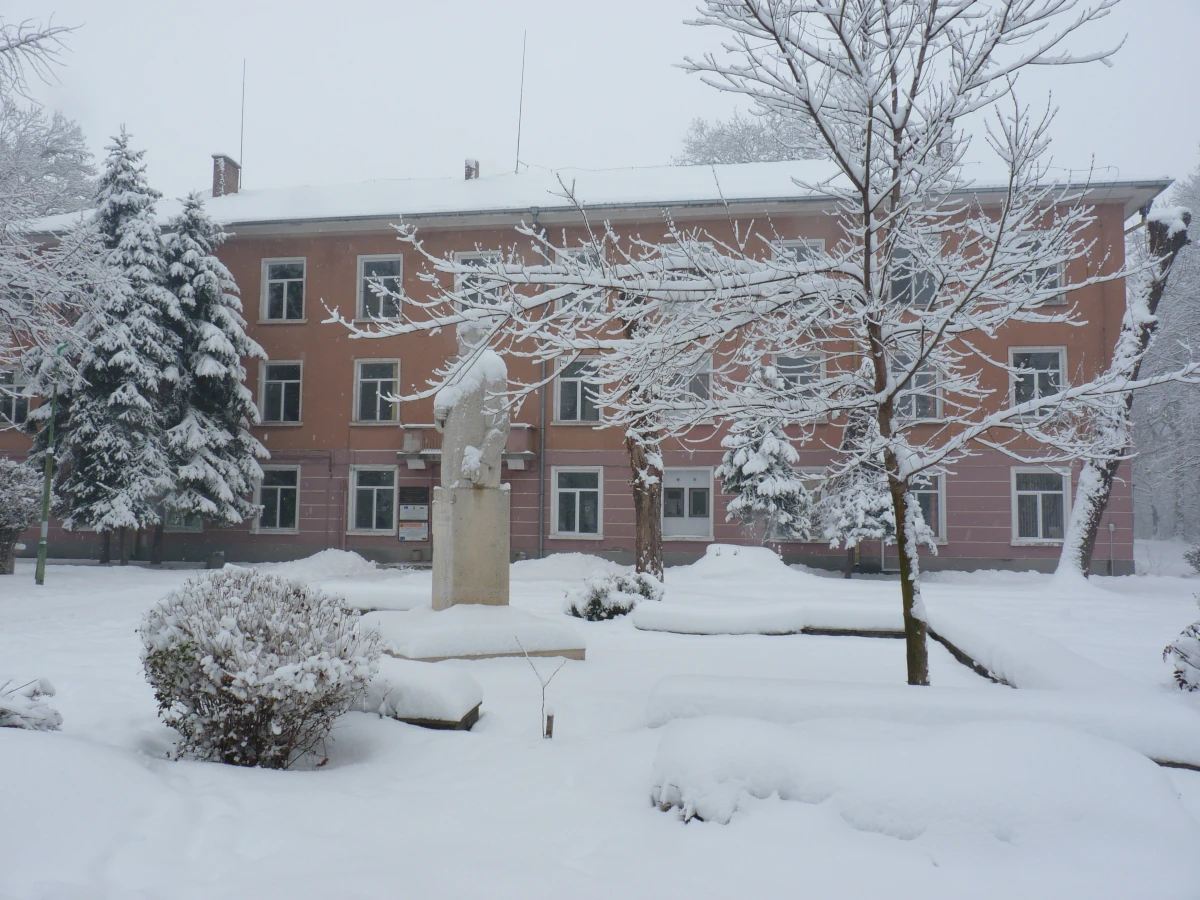
The Maritsa Vegetable Crops Research Institute was established on 1 April 1930 by order of the Minister of Agriculture and State Property as an Experimental Agricultural Station for vegetable crops, rice, fodder and fibre crops and irrigation, on state land of about 3600 decares. In 1956 it already functioned as a sectoral institute for vegetable crops and included the experimental stations in Gorna Oryahovitsa, Sandanski and Negovan – Sofia region.
Today the Institute is an independent unit, without experimental stations attached to it. It is the only institute for vegetable crops in Bulgaria. It is here that targeted scientific activity with a predominance of research on vegetable crops was initiated. For the first time in our country, exploratory work was carried out on the collection, systematization and preservation of valuable species, accessions and varieties of vegetables. The rich experience of master gardeners, known far beyond the borders of Bulgaria, is also used.
Some prominent Bulgarian scientists who worked for shorter or longer periods at the Institute (Hr. Daskalov, P. Popov, Zh. Zhecheva, At. Mihov, St. Hristov, M. Yordanov, E. Elenkov, B. Kumanov, E. Loginova, D. Bahariev and others) have left a lasting imprint on the development of science in our country and contributed to science worldwide.
Throughout all the years from its establishment to the present day, VCRI “Maritsa” has had a comprehensive character in terms of scientific research in the field of vegetable production. It is closely connected with the problems of this subsector, supporting growers with new, high-yielding and high-quality varieties, new technologies and technological solutions for crop cultivation and seed production.
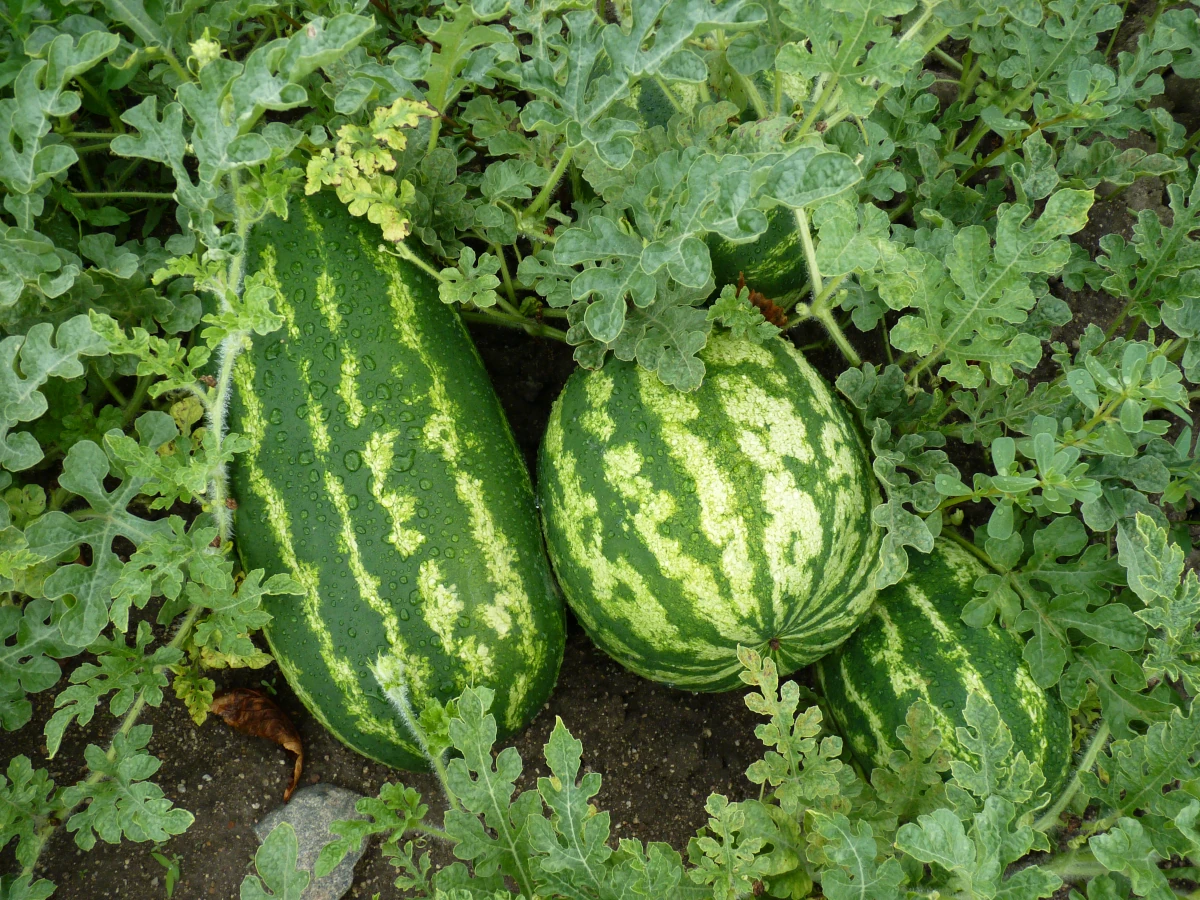
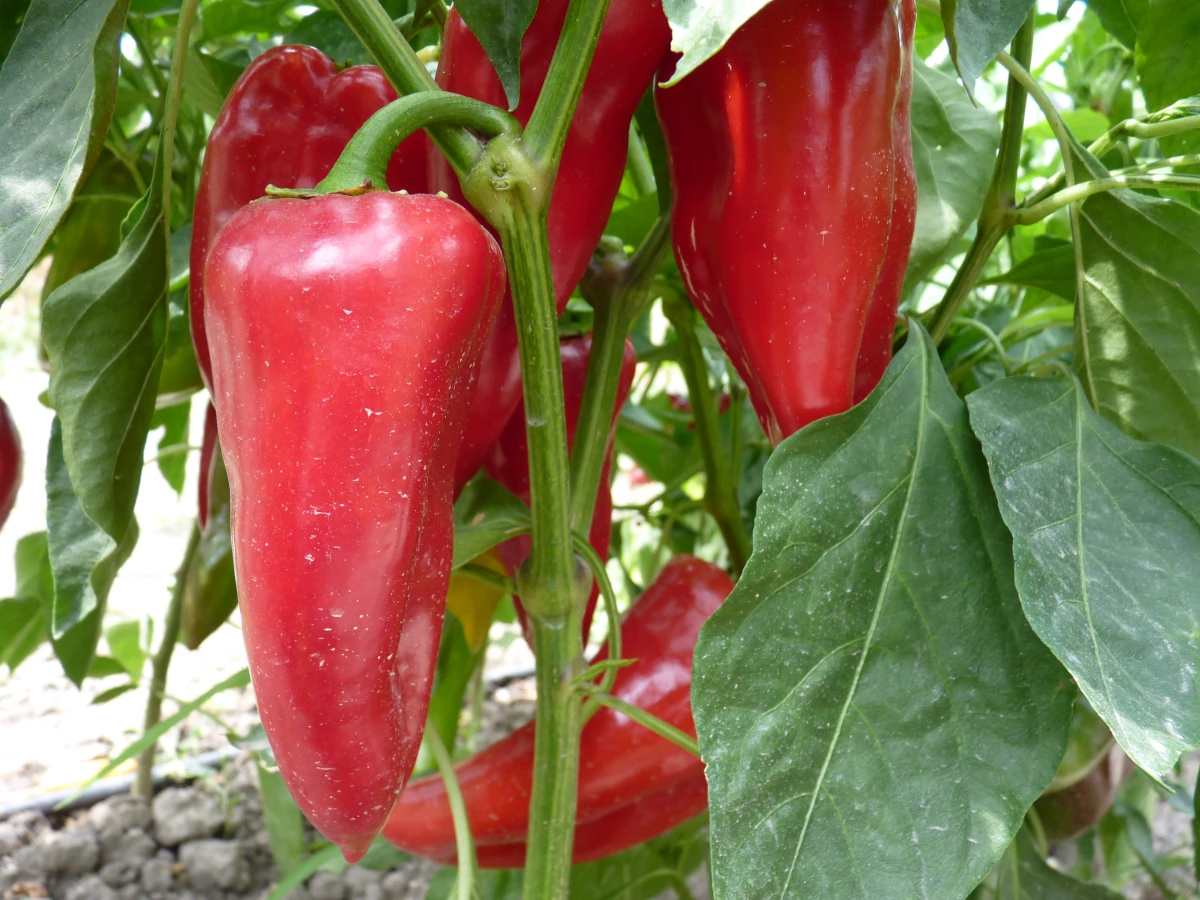
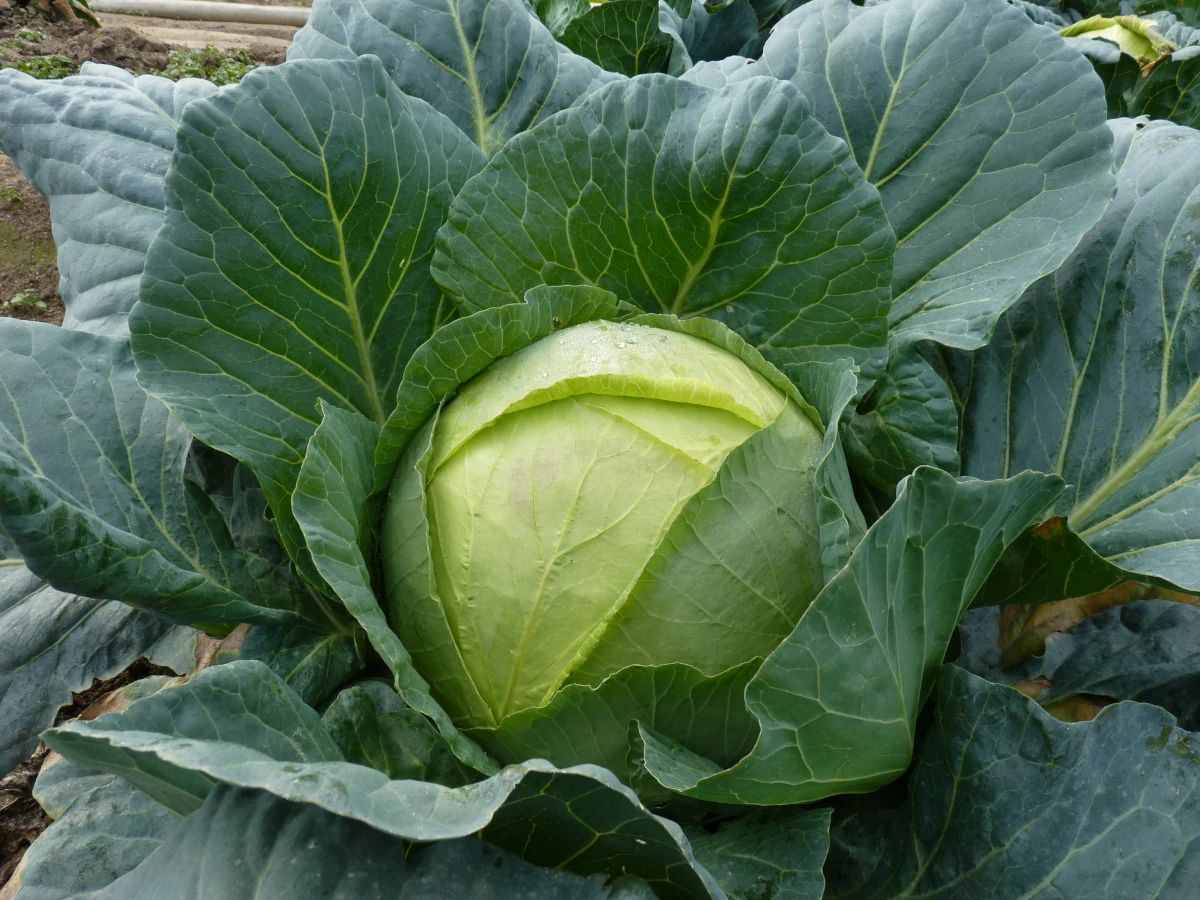
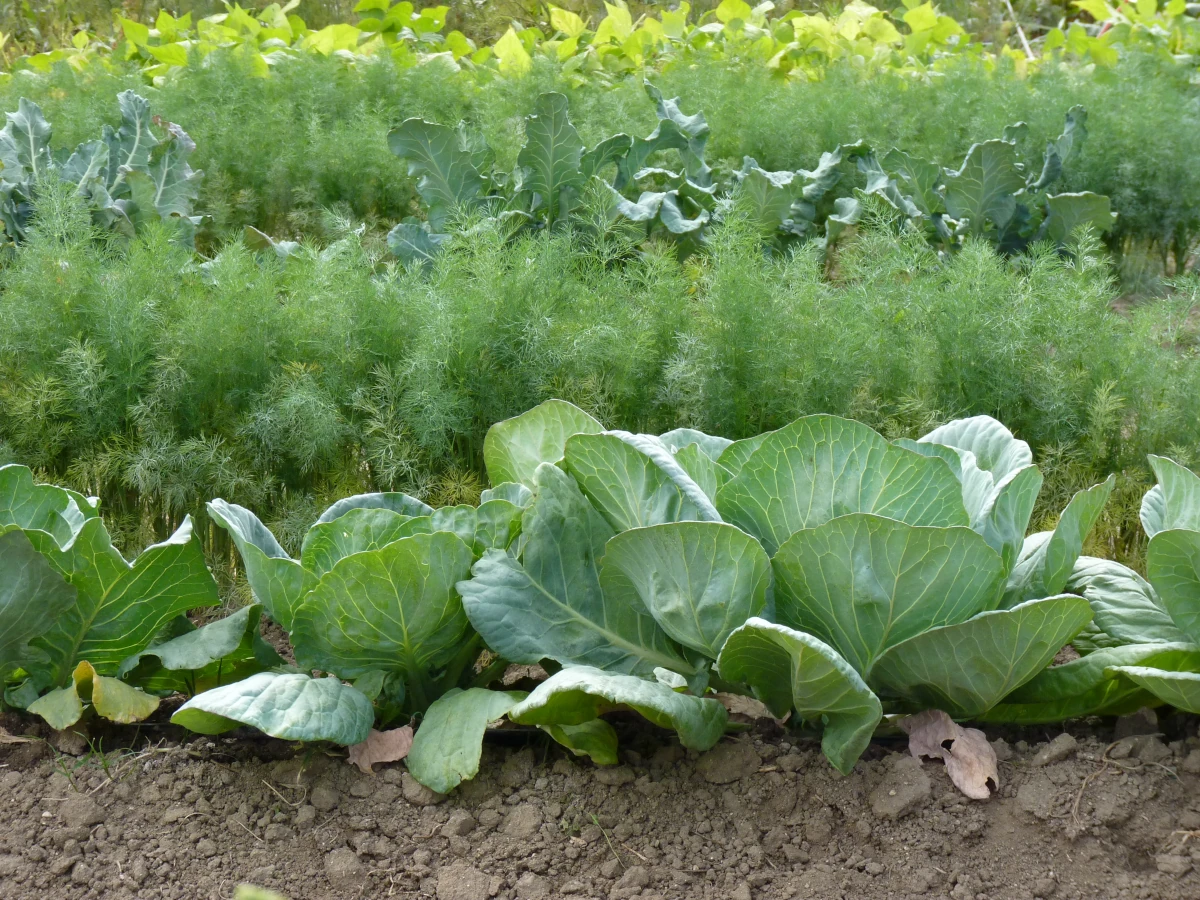
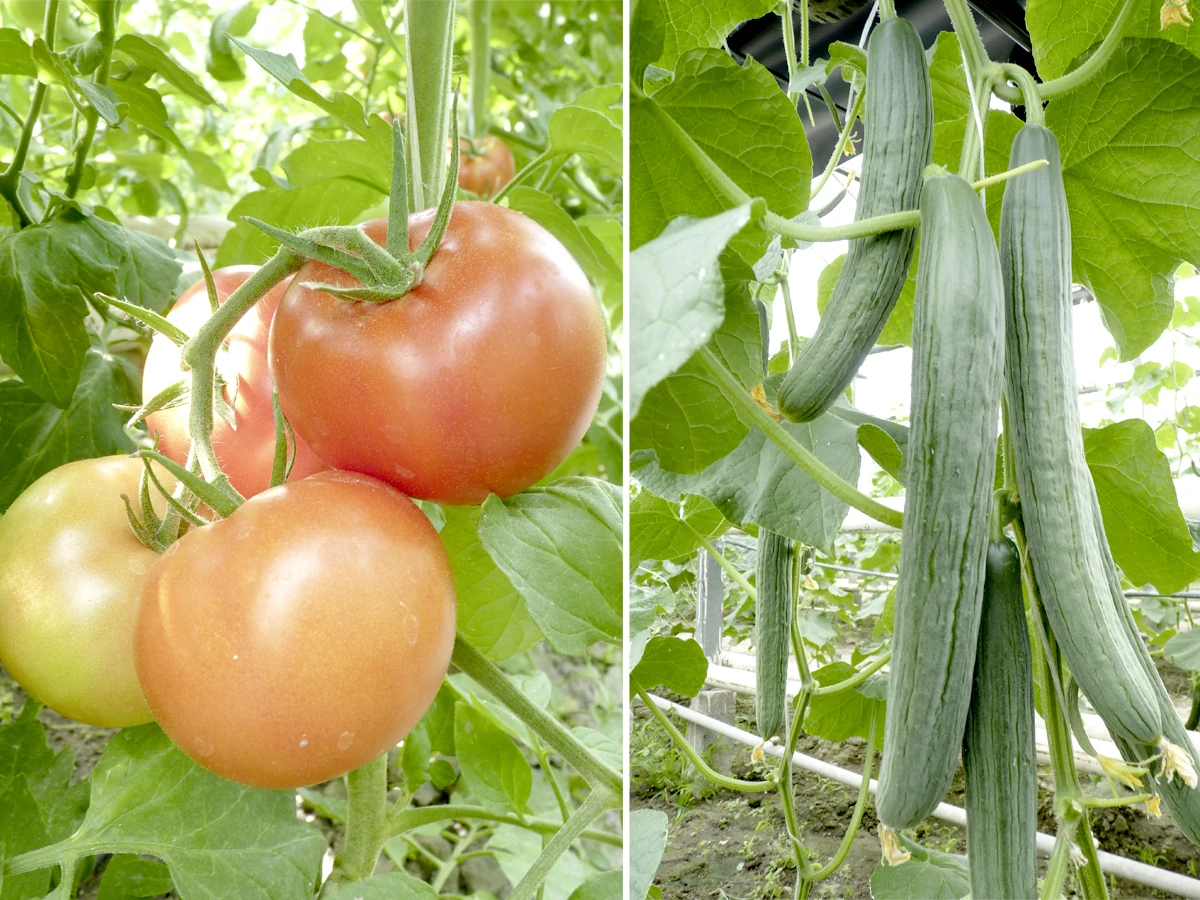
The main share is occupied by breeding and variety maintenance work, mainly on tomato, pepper, potato, cucumber, onion, cabbage, green pea and garden bean. Both classical methods (selection, interspecific hybridization, intervarietal hybridization, inbreeding, backcrossing, etc.) and newer in vitro methods – embryogenesis, androgenesis, etc., are applied. Work is also carried out using the method of heterosis, developed at the Institute by Acad. Hr. Daskalov, which is of exceptional interest to the global scientific community. The main focus of the scientific research is the development of high-yielding, high-quality varieties of vegetable crops with improved adaptability and resistance to biotic and abiotic factors.
In the field of technologies, issues are addressed concerning crop rotations, soil tillage, plant nutrition based on agrochemical analysis, irrigation, systems of alternative and organic agriculture, mechanization and digitalization of work processes, environmentally friendly plant protection systems, etc., ensuring sustainable and competitive development of vegetable production.
At present, the main areas of the research projects are genetic-breeding, immunogenetic and biotechnological studies related to breeding and variety maintenance of vegetable crops. In the technological projects, priority is given to research aimed at extending the period of supply of the domestic market with fresh vegetables; organic production of plant products and integrated plant protection systems for the production of safe food and the conservation of ecosystems.
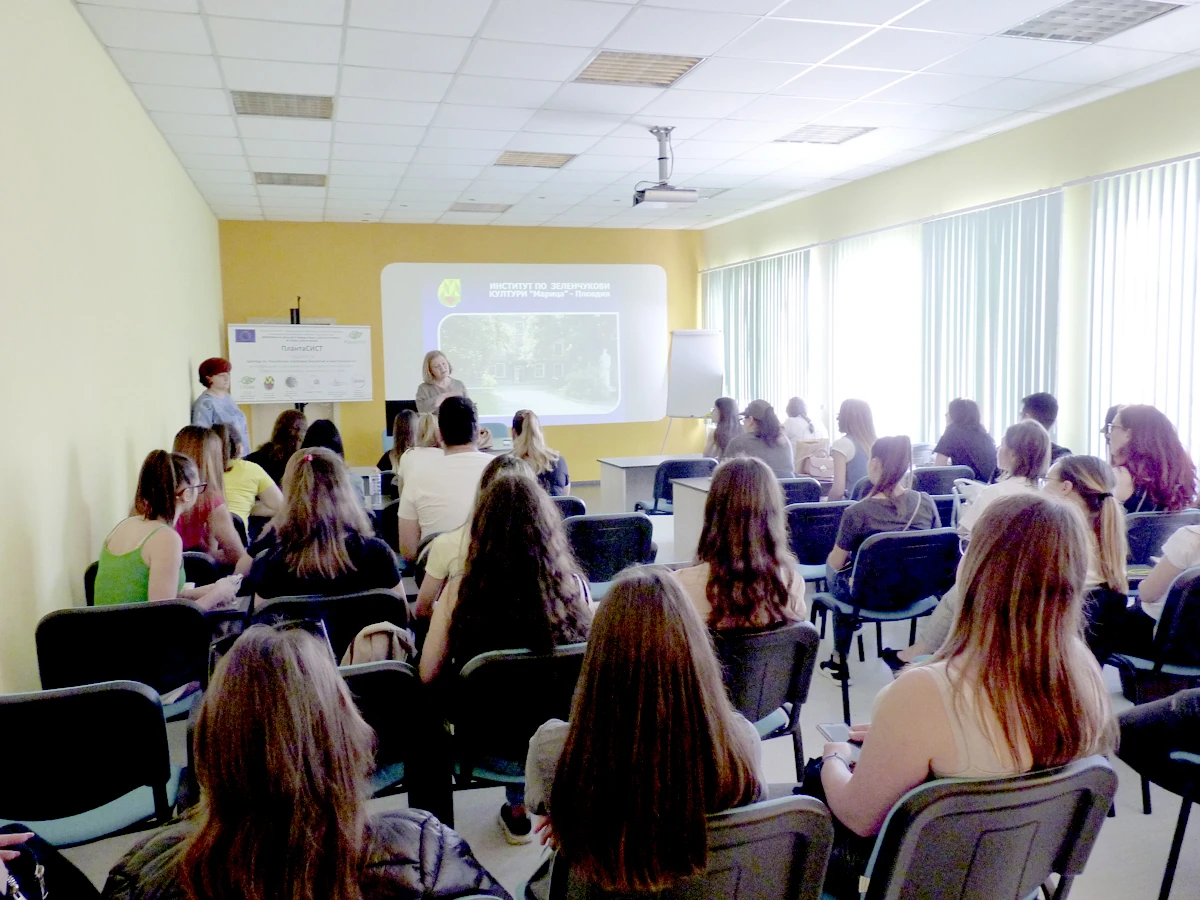
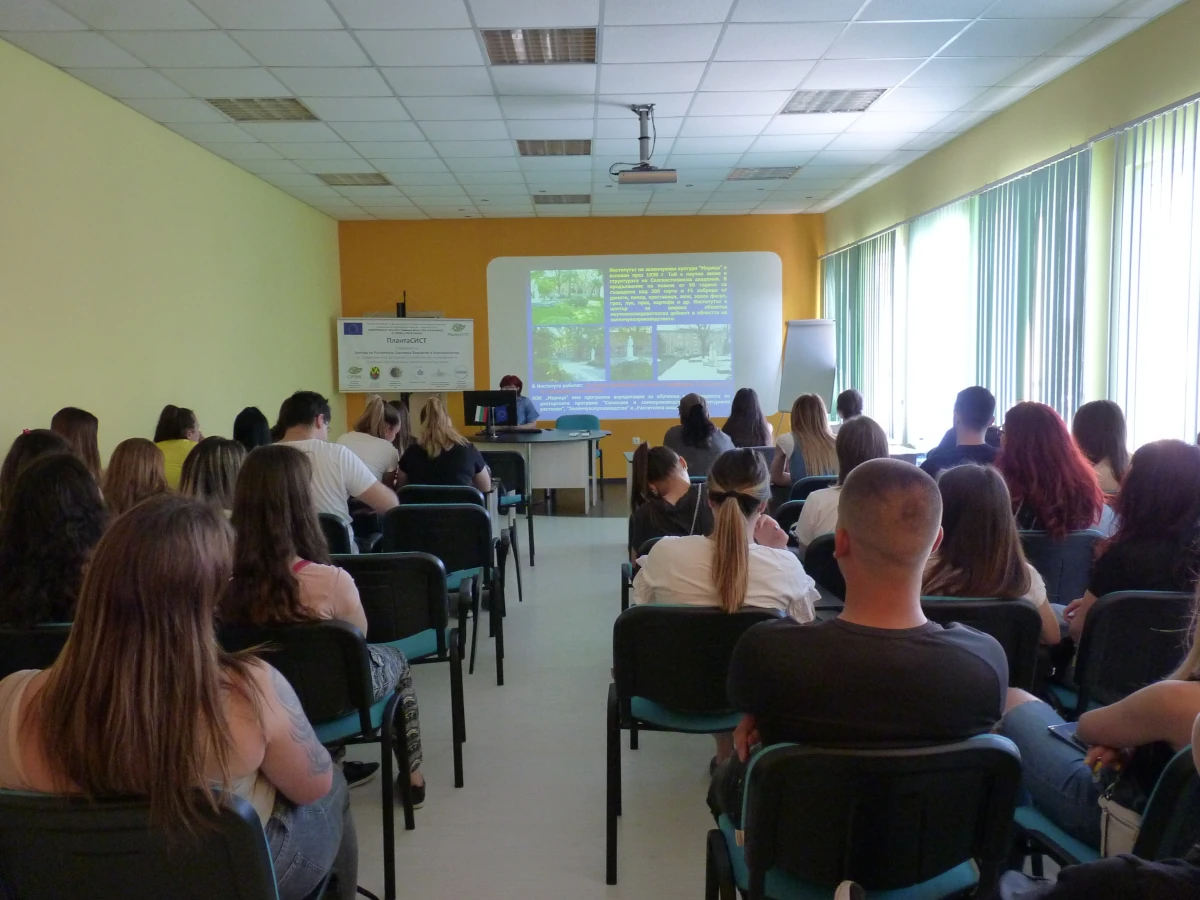
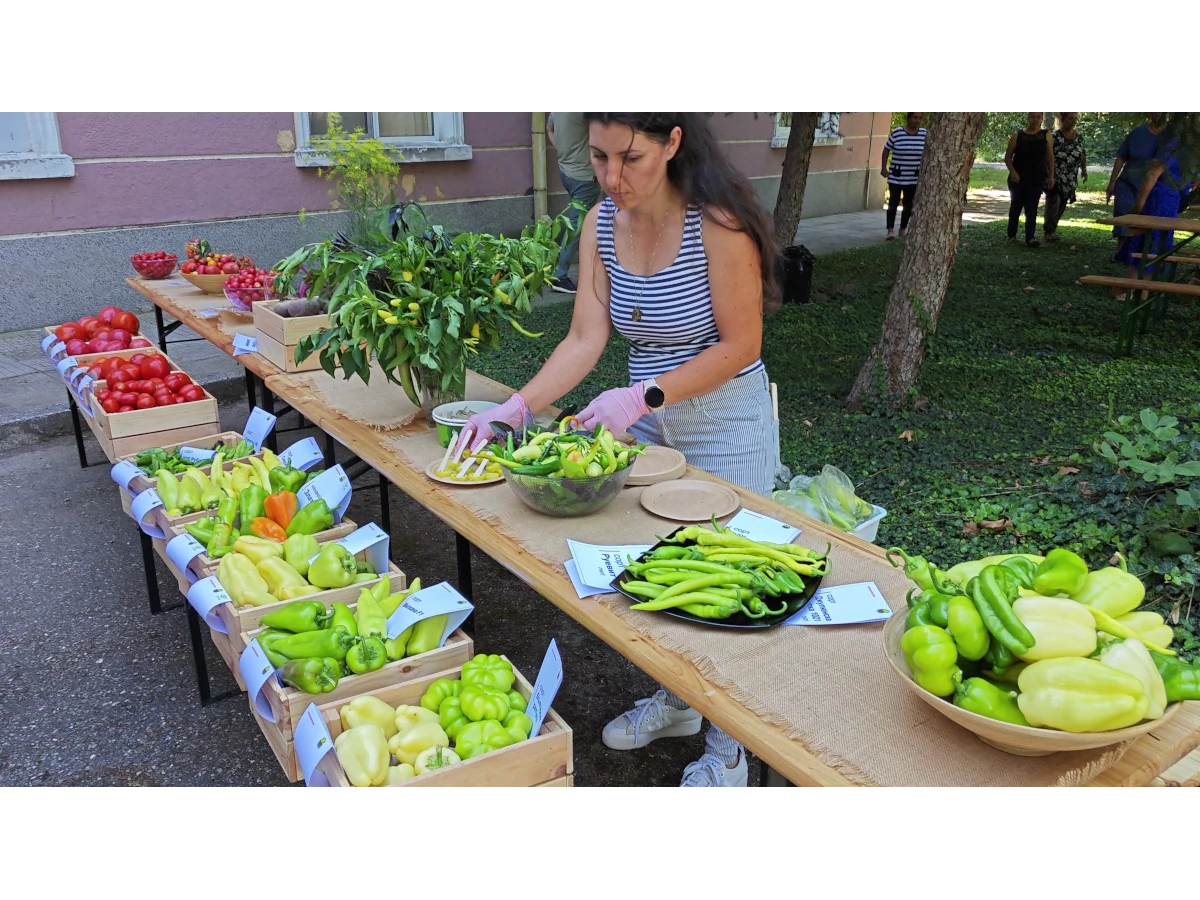
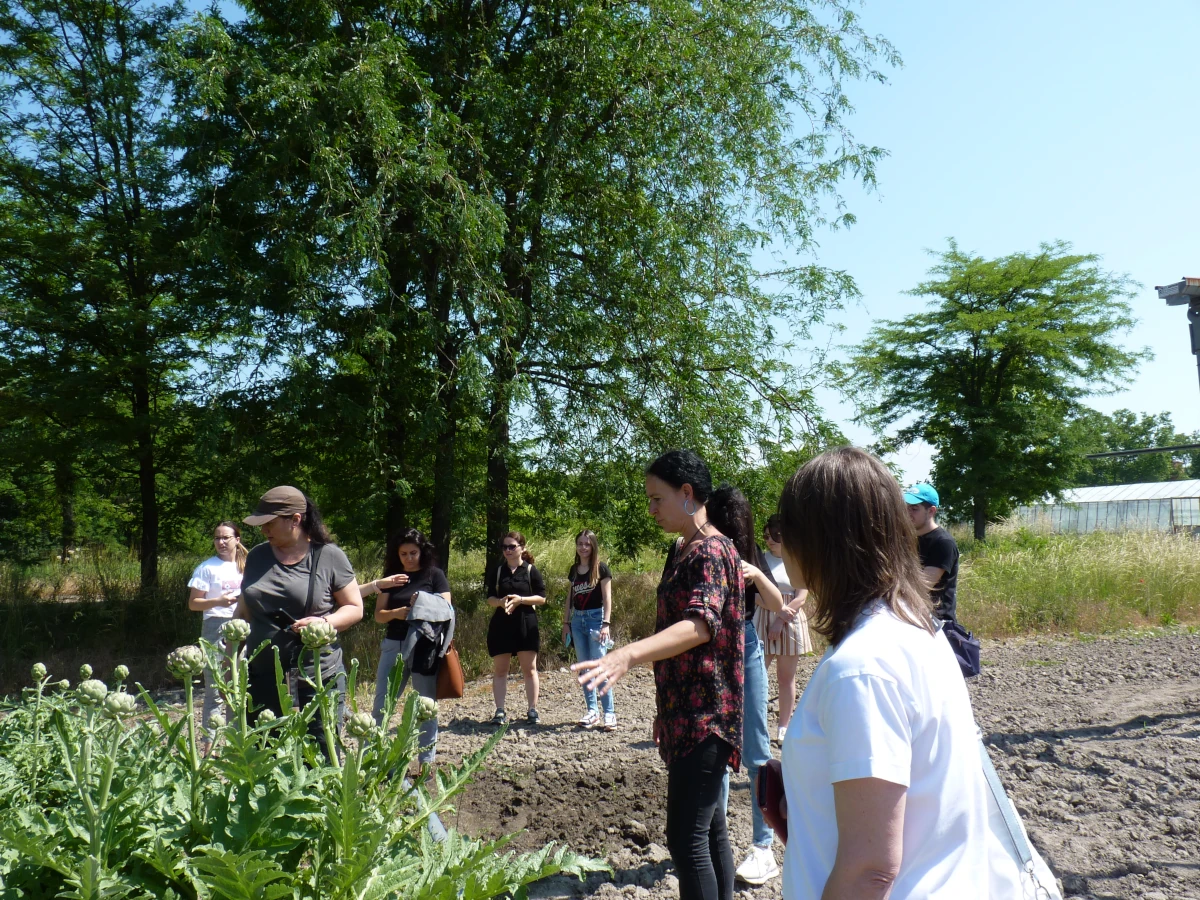
The Institute employs 29 researchers, of whom professors – 3, associate professors – 10, chief assistant professors – 11, and assistant professors – 5. Twenty-seven researchers hold the educational and scientific degree “Doctor”. The research team of the Institute works on national and international projects. It participates in and organizes various forums: conferences, symposia, seminars, lectures, open days, etc. It trains students, specialists and farmers in the field of vegetable production.
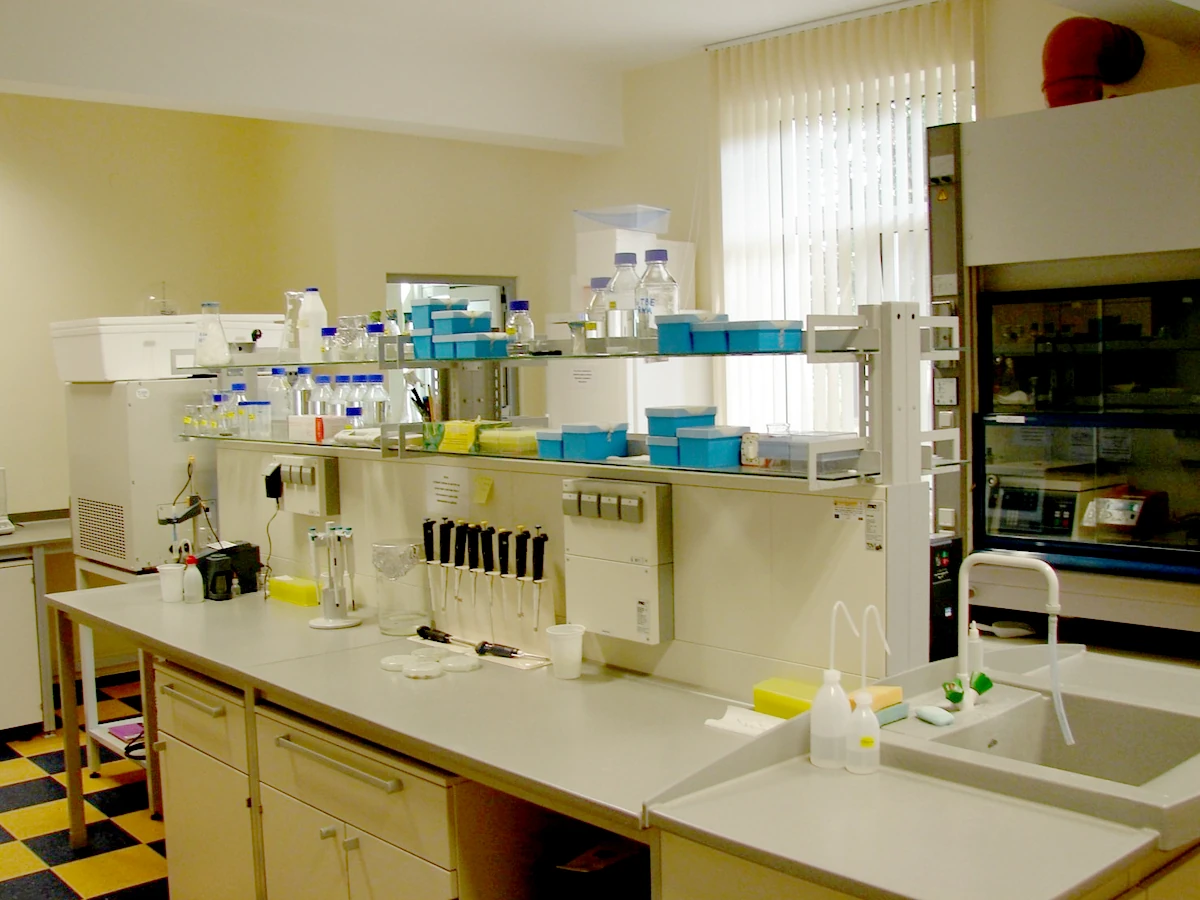
An important stage in the development of the Institute is its participation in successful projects funded by the Research Fund at the Ministry of Education and Science, as well as those financed under the European Framework Programmes – FP 6, FP 7, Horizon 2020 and Digital Europe. With the help of these funds, a modern laboratory infrastructure has been built that meets the requirements of the European Research Area, the vegetation facilities and phytotron chambers have been modernized, and chambers have been constructed for short-term storage of seeds at 4oC. A significant part of the staff has specialized at leading European universities and institutes. Under the EU programme “Erasmus+” the qualifications of the Institute’s specialists are being improved.
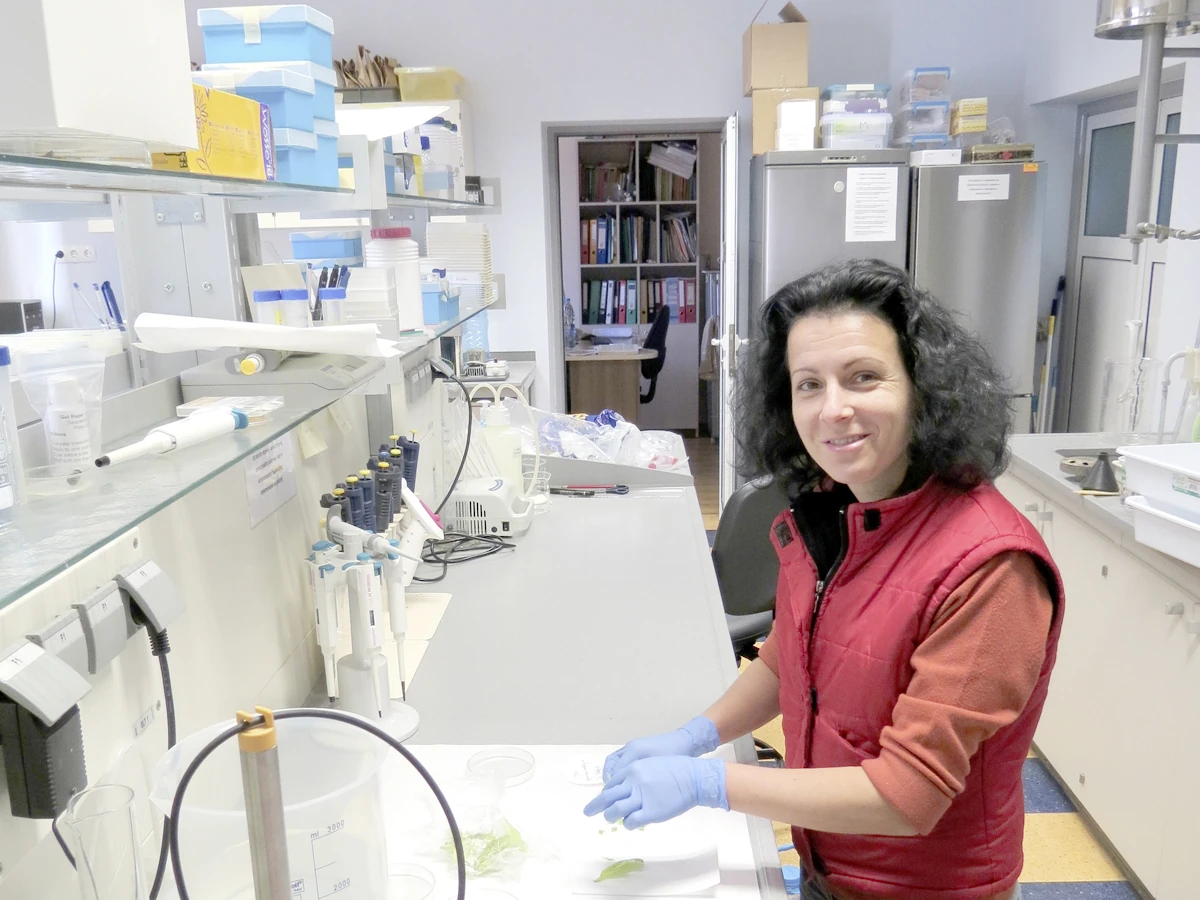
Structurally, the scientific activity is concentrated in two scientific departments – “Breeding” and “Technologies in Vegetable Production”. To support the research activity at the Institute, eight modernly equipped laboratories have been established and are functioning:
- Tissue cultures;
- Quality control;
- Immunity to viral diseases;
- Physiology;
- Cytology;
- Molecular biology;
- Phytopathology and entomology;
- Agrochemistry.
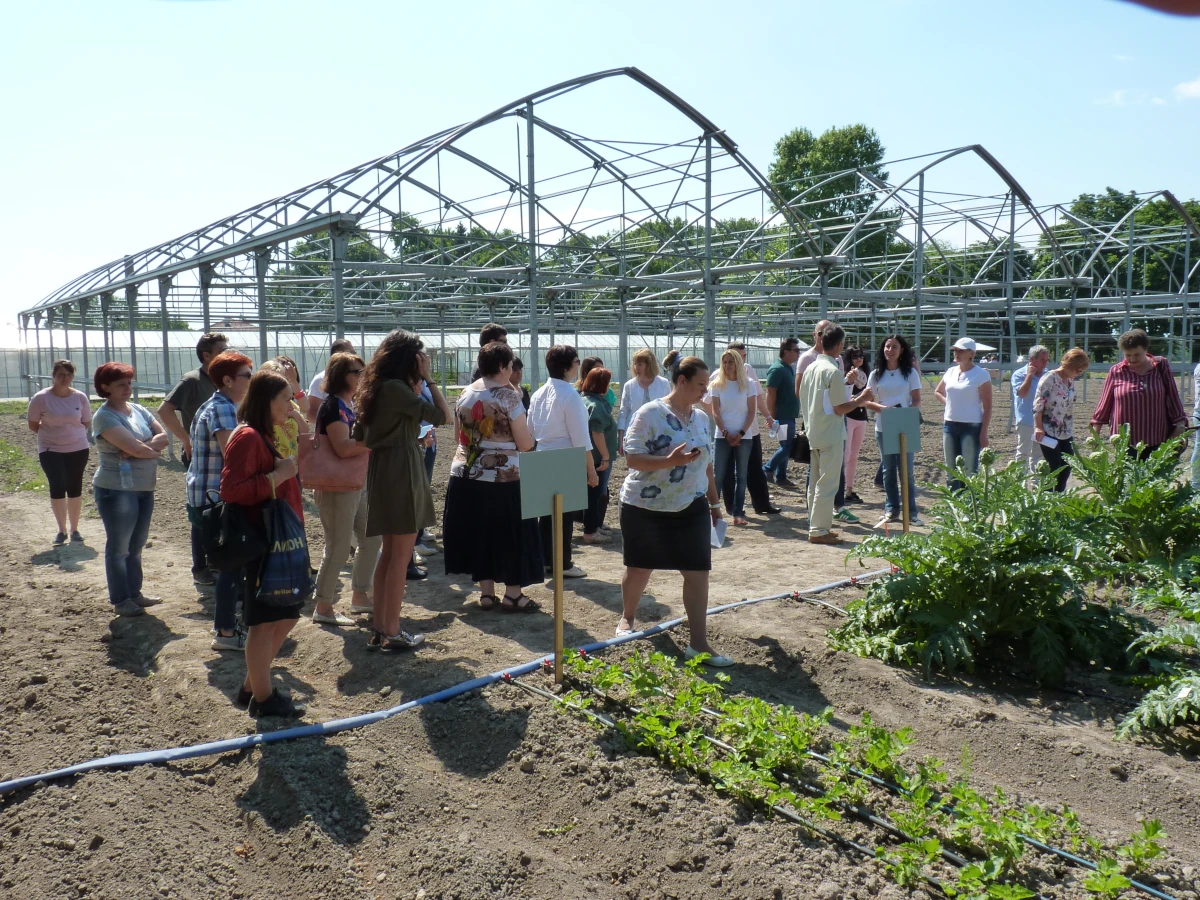
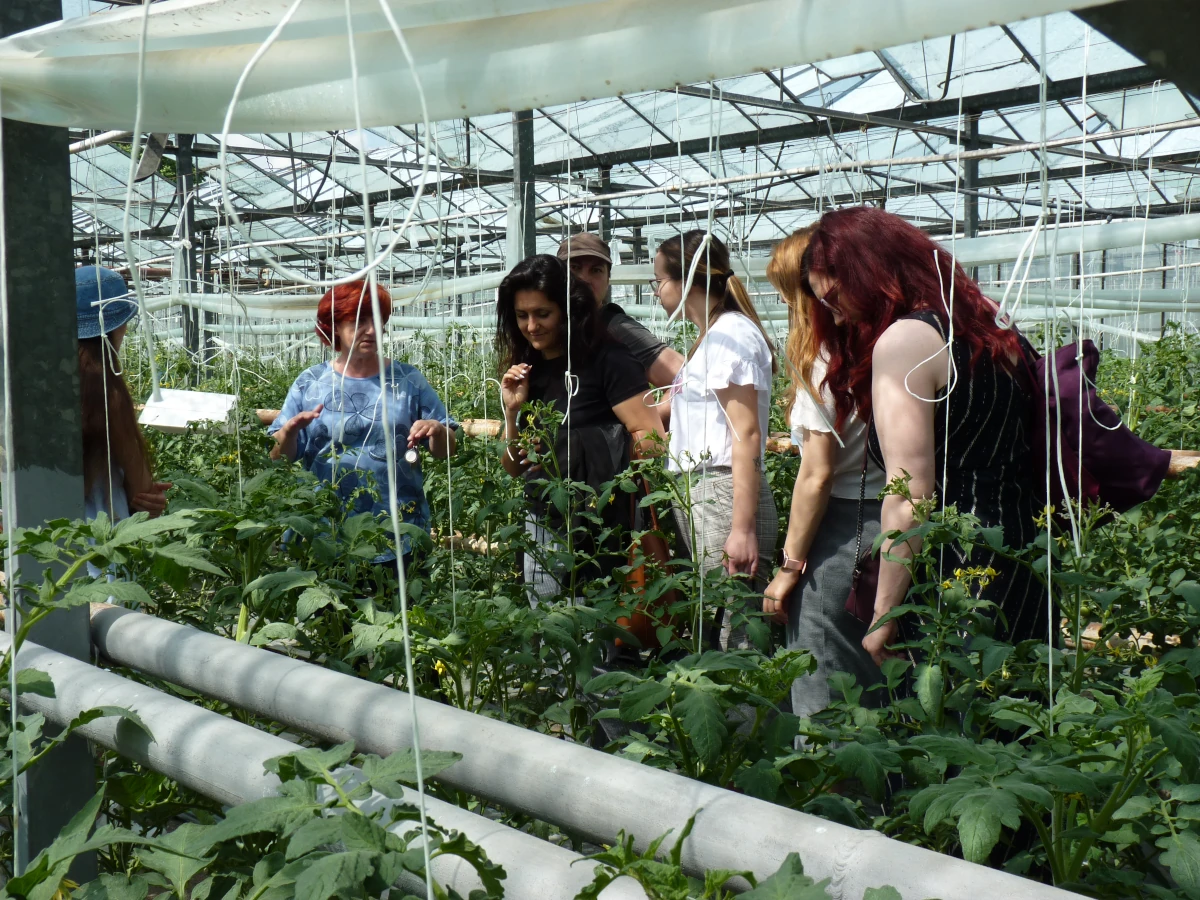
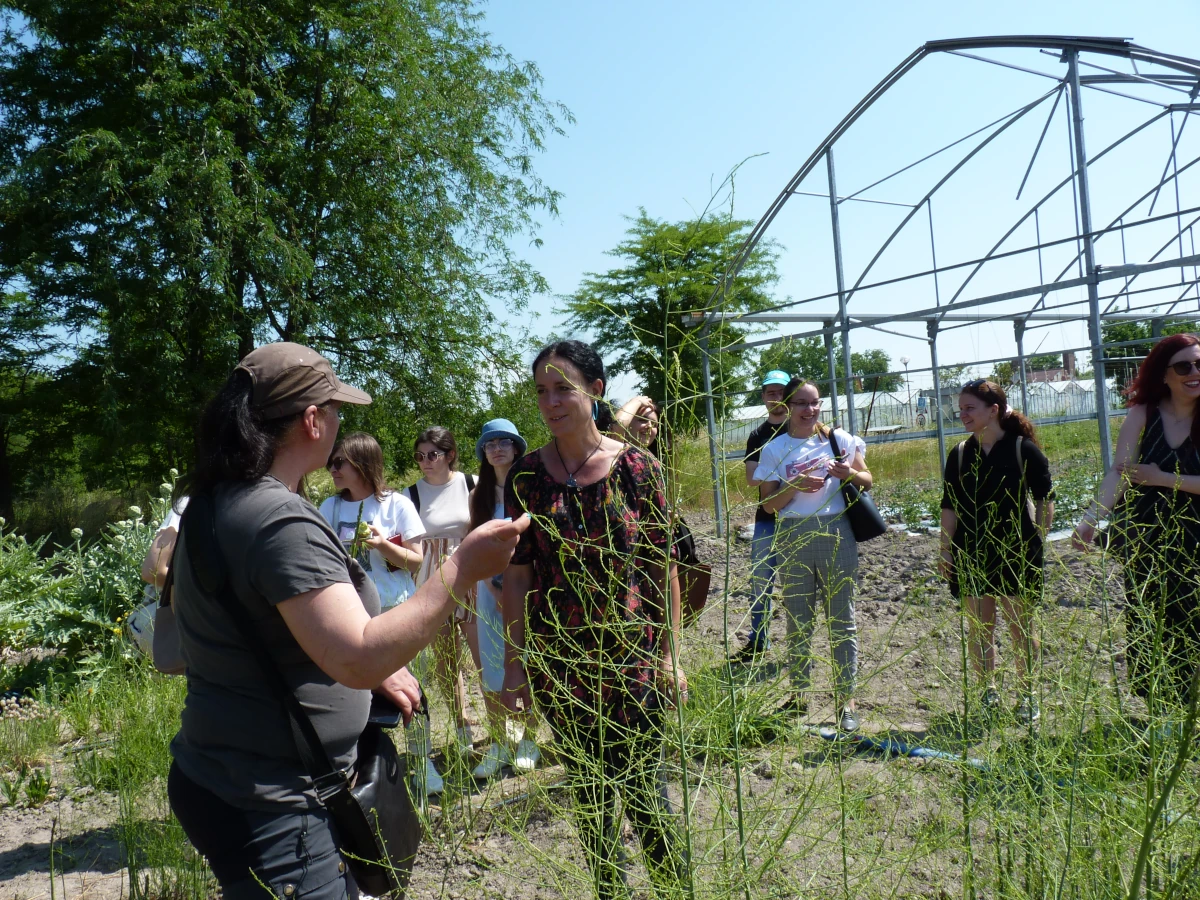
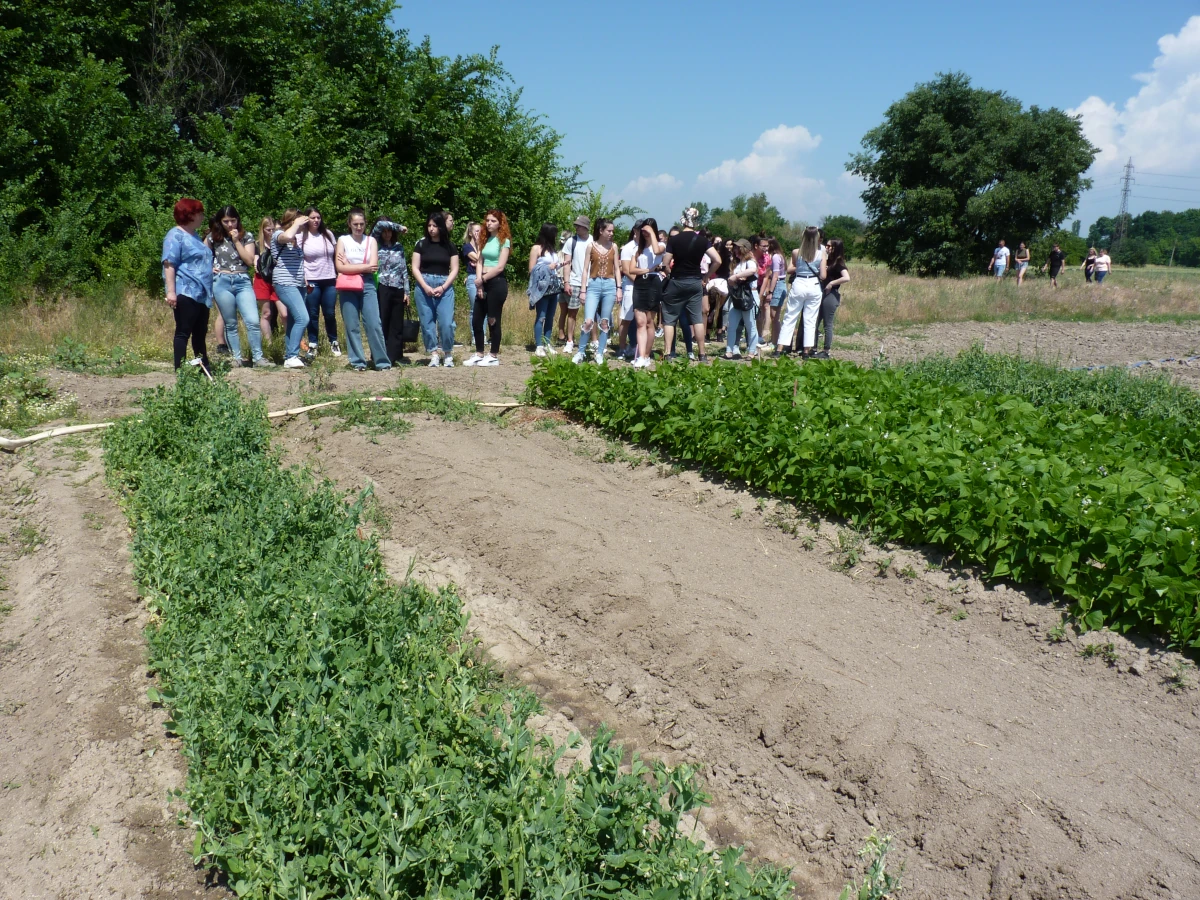
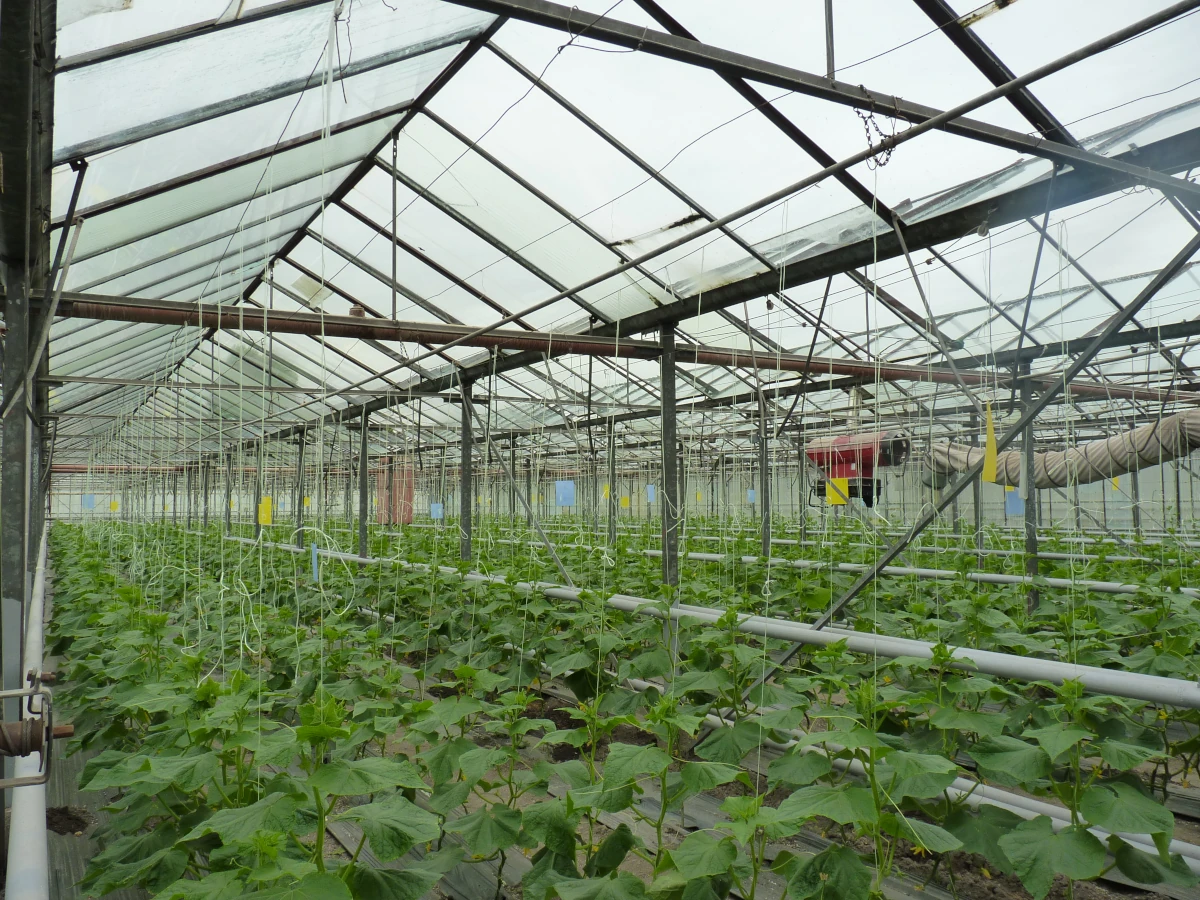
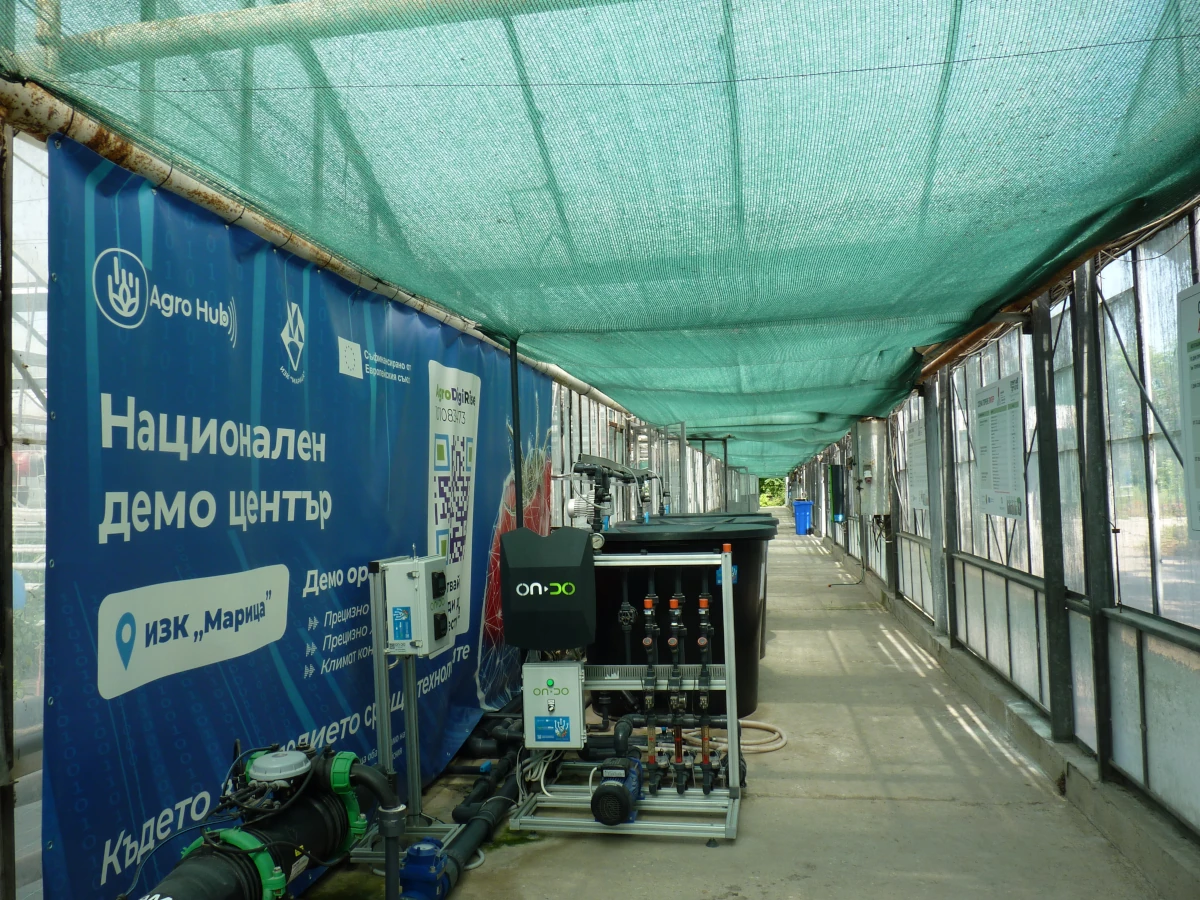
In the laboratories, analyses are carried out not only for scientific purposes, but also for producers. On the basis of the obtained results, recommendations are provided regarding the nutritional regimes and the plant protection practices that need to be applied to the respective vegetable crops. At the Institute, in a real environment, one can see the new varieties, technologies and possibilities for growing vegetables both in the open field and in greenhouses.
Vegetable Crops Research Institute
“Maritsa” – 95 years