

![MultipartFile resource [file_data]](/assets/img/articles/заглавна-юли-2024.jpg)
During the first half of the first ten-day period of the month, the agrometeorological conditions will be determined by unstable weather. The forecast precipitation in many places in the field areas of the country will temporarily improve the conditions for the course of vegetation processes in spring crops.
During most days of the second and third ten-day periods of July, relatively dry and hot weather is expected, which will lead to a shortening of the interphase periods. A limiting factor for the development of maize and sunflower will be the deficit of soil moisture. In maize, various stages will be observed – tasseling, flowering of the tassel and silking. At the end of the month, the onset of milk maturity will be observed in early maize hybrids. In sunflower, flowering, fertilization and seed filling will take place. The expected maximum temperature values between 35-40°C will have a negative impact on the crops during the reproductive stage.
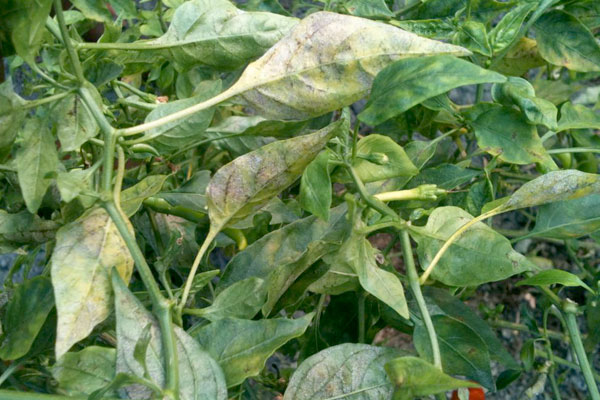
The forecast high temperatures in July and the relatively dry weather will limit the development of fungal diseases in agricultural crops, with the exception of powdery mildews in perennial crops and vegetable crops. The expected precipitation around and below the monthly norm will require the application of an increased irrigation regime.

More suitable conditions for performing plant protection spraying (against the second generation of fruit worms in orchards, against the yellow grapevine mite in vineyards) will occur during the second half of the first ten-day period, during most days of the second ten-day period and at the end of the month. Treatments should be carried out during the cooler hours of the day.
In the western regions of the country, the probability of local intensive phenomena and hailstorms and the occurrence of damage to agricultural crops remains elevated – lodging of cereal stands and shattering of the grain, mechanical injuries to spring crops, and to vegetable and fruit production. The harvesting of wheat in a large part of the field areas of the country will take place under conditions of an increased risk of fires.
Source: NIMH