

![MultipartFile resource [file_data]](/assets/img/articles/агротехнически-май-заглавна.jpg)
During most days of the first ten days of May, agrometeorological conditions will be determined by unstable weather with frequent rainfall, which will create conditions for increasing the infectious background of fungal diseases. Vegetative processes in agricultural crops will proceed at moderate rates at temperatures close to climatic norms.
After the unstable weather until mid-month, a change in agrometeorological conditions is expected in the second half of May. An increase in average daily temperatures is forecast. Rainfall is expected at the end of May. Throughout the month, the possibility of hailstorms and the risk of damage to agricultural crops remains.
In fruit nurseries
In the nurseries, the proper development of the grafted buds is monitored. If necessary, new suckering of shoots sprouted from the rootstock is performed.
If there is a risk of girdling, the ties on rootstocks re-grafted in spring are loosened.
Seedbeds, mother plants, and nurseries are cultivated. If necessary, plants in seedbeds are thinned out.
In fruit plantations
At the end of flowering, beehives are moved to another location – at least 5 km away.
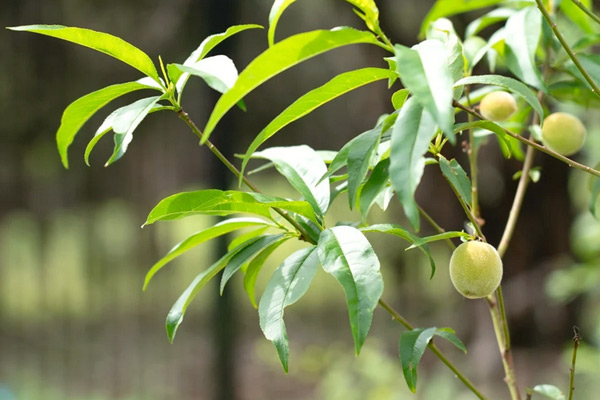
In newly planted peach orchards with a goblet or improved goblet crown, formative pruning is performed. Care is taken for proper rooting and development of trees in newly planted orchards – hoeing, suckering, watering if necessary. Trees in young, dense plantations are tied to a wire structure. Strong two- and three-year-old branches are bent and tied to the wires to reduce their growth vigor. In young – 2 and 3-year-old plantations, some of the fruit sets on the leader - central branch are removed. The work of thinning peach fruits continues. After the final completion of fruit drop, the plantations are irrigated. Organic matter from green manure crops is plowed under.
The soil is kept free of weeds and loosened by regular shallow cultivation with a cultivator or harrow. At the end of the month, fruit-bearing trees are fertilized with 15-20 kg/dka ammonium nitrate or the same amount of another nitrogen fertilizer.
The harvesting of early cherry varieties continues.
In strawberry plantations
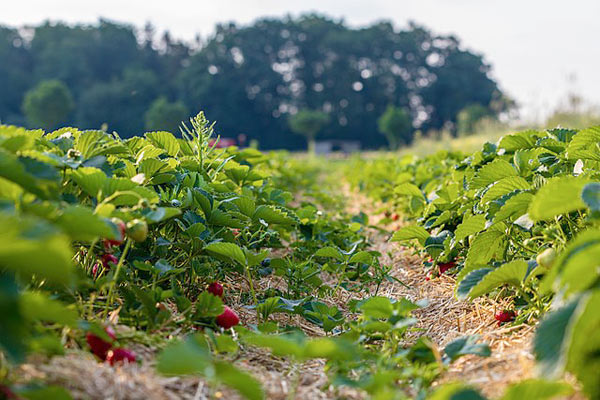
Spring-summer planting of strawberry seedlings, stored in a refrigerator, continues. After planting, mist irrigation is applied. Areas planted in April are weeded. In higher regions, straw is laid under the flower stalks by the end of the month.
Harvesting continues. When fruits are transported over longer distances, they can be harvested a little earlier. In case of drought during fruit ripening, it is necessary to apply mist irrigation or gravity irrigation.
In raspberry plantations
Regular soil cultivation is carried out. Shoots of some varieties are tied to the support structure, while for other varieties, care is taken to prevent them from drooping into the inter-rows.
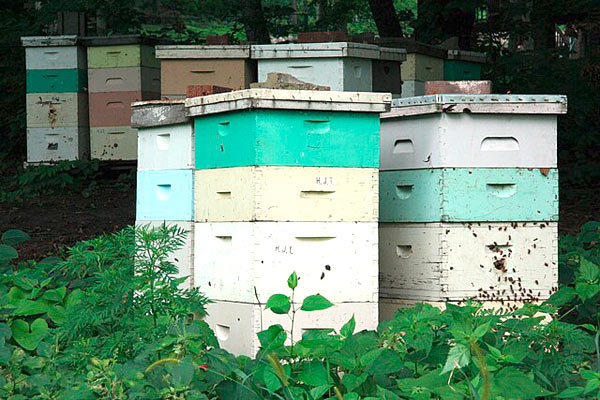
During flowering, it is advisable to provide two bee colonies per 10 dka.
In blackcurrant plantations
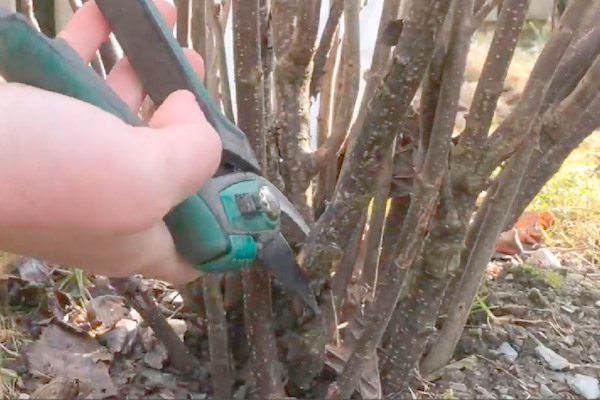
Care continues – cultivation and irrigation for the rooting areas. Weak and superfluous root shoots are removed. In case of drought, abundant watering is performed. Work begins on organizing the harvesting of blackcurrant fruits.
In plantations with other crops
Lemon rootstocks are bud-grafted. Grafting of persimmon continues. The soil surface is kept free of weeds and regularly loosened by shallow cultivation. Frequent and regular watering is ensured until the second ten-day period.
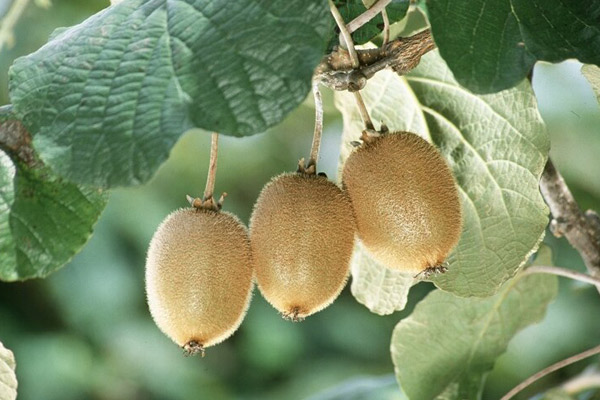
The planting of Actinidia chinensis in open ground continues. After planting, it is watered. The vines of Actinidia are regularly tied to auxiliary support branches. The stem should not wrap around the support branch, and lateral shoots on it are removed. Three bee colonies are provided per 10 dka of Actinidia.