

![MultipartFile resource [file_data]](/assets/img/articles/февруари-овес-1.jpg)
In February, agrometeorological conditions will be highly dynamic, with alternating periods of above-normal temperatures and values at and below the climatic norms for the month.
During most days of the first ten-day period, the agrometeorological conditions will be determined by temperatures that are high for the season. The forecast average daily values in the arable regions of the country will reach and exceed the biological minimum required for the resumption of vegetative processes in winter cereal crops. The forecast temperatures, which are high for the season during the second half of the first ten-day period of February, with maximum values in the range of 15-20°C, will trigger premature development in some early-flowering stone fruit species (almond, apricot, peach) in the southern and southeastern regions of the country.
At the end of the first and the beginning of the second ten-day period, the agrometeorological conditions will undergo a change. The expected cold spell will inhibit the vegetation of autumn-sown crops and the premature, undesirable development of fruit trees.
During the second half of February, the forecast average daily temperatures in most parts of the country will be within ranges that will restrain the development of overwintering agricultural crops. Exceptions will be observed in the far southern and southeastern regions, where at the end of the month conditions will be created for the onset of delayed vegetation in autumn-sown crops, but a substantial change in the phenological stages of the crops is not expected. At the end of February, wheat crops in the third leaf growth stage will predominate.
During the month, the forecast minimum temperatures, down to minus 12°C, are above the critical thresholds for wheat crops overwintering in the third leaf and tillering stages. In conditions without snow cover and with more prolonged persistence, these values will pose a risk to late-sown winter cereal crops that are in the initial leaf formation stage (1-2 leaves).
The expected precipitation in February, around and above the norm, will increase the autumn-winter soil moisture reserves also in the two-meter soil layer. At the end of the second ten-day period of January, soil moisture reserves for wheat in the one-meter layer in most of the country, with the exception of some locations in the eastern regions (Razgrad, D. Chiflik, Chirpan, Sliven), were at levels above 90% of field capacity.

During the month, more favorable conditions for carrying out seasonal agrotechnical activities—pruning in vineyards and orchards, winter spraying of fruit trees with copper-containing fungicides, top dressing of autumn-sown crops with nitrogen mineral fertilizers, pre-sowing tillage of areas designated for sowing with early spring crops (pea, vetch, oat, spring barley)—will occur on most days of the first ten-day period and the second half of the second ten-day period.
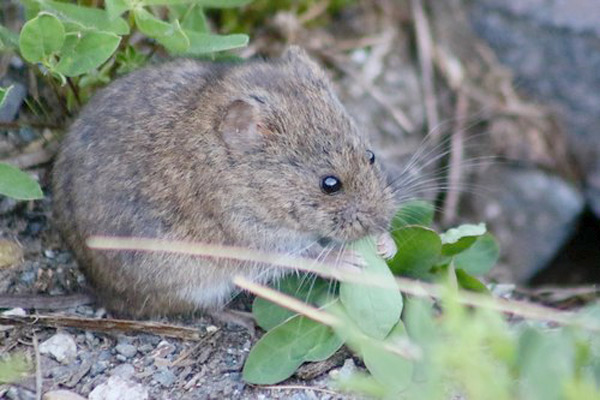
In February, wheat fields must be monitored for the presence of a hazardous pest – the common vole, and where its density exceeds the economic threshold of harmfulness (ETH – 1 active colony per decare), timely plant protection measures with rodenticides authorized for this purpose are imperative.
source NIMH