

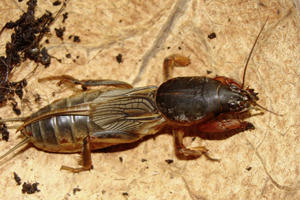
The seedling facilities are cleaned of plant residues from the previous growing season, weeds, and volunteer plants. The seedling potting mix is prepared. It is best to be a peat-perlite mix, which is used to fill trays, flats, and pots. If they are placed directly on the soil, the surface must be well leveled. A polyethylene film is placed over it, which isolates the seedling containers from the soil and prevents the passage of pathogens and pests. Seeds are also prepared and sown for crops in unheated steel-glass and polyethylene greenhouses, and towards the end of the month for early field production. Disinfected seeds should be used for sowing. If it is not marked on the original packaging, then disinfection is required by: Thermal treatment of cucumber seeds in a thermostat against viruses according to a specific scheme. This is performed only by specialists so as not to damage the seed germination.
Soaking in chemical solutions:
- In a 3% solution of perhydrol (1 part perhydrol (30%) + 9 parts water) with exposure: for tomatoes 25 minutes, cucumbers – 20, peppers and eggplants – 30, squash – 60, watermelons – 120, small-seeded crops – 15 minutes. The seeds are stirred continuously, then rinsed with running water for 30 minutes and dried.
- In a 20% hydrochloric acid solution for 30 minutes, which is effective against viruses and bacteria.
- Treatment in hot water (50-52°C) against bacteria and fungi for small-seeded crops.
To prevent the occurrence of "damping-off" or root rot in seedlings in the facilities, an optimal temperature-moisture regime must be maintained. Upon detection, diseased plants are removed. The spot under and around them is "burned" with a 2-3% solution of blue stone (copper sulfate) or ammonium nitrate. Then the remaining plants are watered with 3-4 l/sq.m of a mixture of 0.1% Topsin M 70 WP + 0.1% Proplant 722 SL. To protect against damping-off during the establishment period, several days before transplanting, the plants are watered with the same combination - 50 ml each.
In tomato seedlings, an attack from early blight (alternaria), gray mold (botrytis), and powdery mildew is possible. The first two diseases develop under high air humidity. Upon appearance of early blight, spray with 0.04% Score 250 EC, 0.25% Ridomil Gold, 0.25% Cursait M DF, 0.2% Dithane M-45, 0.2% Dithane DG, 0.35% Pujil 35 L SC, 0.075% Quadris 25 SC, and against gray mold (botrytis) apply 0.07% Topsin M. Against powdery mildew, treat with 0.025% Topaz 100 EC, 0.02% Shavit 25 EC, 0.075% Quadris 25 SC.
In cucumber seedlings, an attack from powdery mildew is possible, for control of which 0.02% Bayfidan 250 EC, 0.04% Domark and the plant protection products (PPP) mentioned for tomatoes are applied.
To detect the appearance of greenhouse whitefly and aphids in seedling facilities, yellow sticky traps are placed; for thrips - light blue, and for leafminer flies - yellow-orange. Against the mentioned pests, as well as against mites, the seedlings are treated with 0.5 -1 g/plant Vidate 10 G – 2-3 days after pricking out and again 3-4 days before transplanting. It is very important not to miss the second treatment, as its protective action is about 50-60 days.