

In September as well, the agrometeorological conditions in Western Bulgaria will differ significantly from those in the eastern regions of the country.
In Eastern Bulgaria they will be determined by above-normal temperatures and below-normal precipitation. In many places in the eastern regions, as a result of the prolonged summer drought, the spring crops completed their vegetation prematurely. In these areas, the harvest of sunflower and the earlier maize hybrids started earlier than the usual dates, with yields well below the country’s average.
In September, in most of the western regions, the final stages of development of the late agricultural crops will take place under above-normal temperatures, with precipitation close to the climatic norms and with good end-of-summer soil moisture reserves in the 50 and 100 cm layers (over 70% of field capacity – Nikolaevo, Kyustendil, Sandanski) – as a result of the above-normal rainfall in August (Vidin – 67 l/m², Lom – 80 l/m², Sofia – 84 l/m², Kyustendil – 98 l/m², Blagoevgrad – 152 l/m², Sandanski – 107 l/m²).
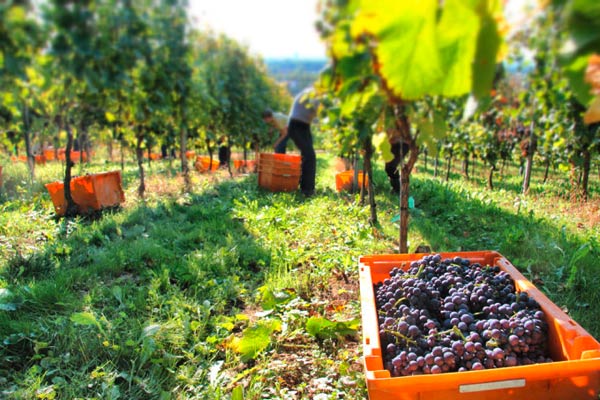
During the first ten-day period of September, precipitation of agronomic significance is again forecast for the western half of the country. It will have a beneficial effect on the second crops and the late maize hybrids, which will be in the milk ripeness stage. During this ten-day period, in the field areas the medium-late hybrids will enter the wax ripeness stage. By mid-month, part of the late hybrids will complete their development. During the second ten-day period, rice will be in the wax and full ripeness stages. During the third ten-day period, the ripening stage will occur in cotton, peanuts, autumn fruit tree varieties and later grape varieties. For the month, the forecast minimum temperature values are above the critical thresholds for vegetable crops, which is a prerequisite for obtaining additional vegetable production from late field cultivation.
On most days of the second and third ten-day periods, relatively dry weather is expected and the conditions will be suitable for clearing the areas from spring crops.
In September as well, in much of the eastern regions, the lack of moisture in the upper soil layers will impede the quality performance of deep ploughing and pre-sowing tillage of the areas designated for sowing with winter oilseed rape and winter cereal crops. The optimal time frame for sowing oilseed rape is until the end of the second ten-day period of the month. In the third ten-day period, the agrotechnical sowing dates for barley and wheat begin in the fields at higher altitudes.
Source: NIMH