

During the seven-day period (19 – 25 July) the development of agricultural crops will proceed at an accelerated pace, under above-normal temperatures and, in part of the southern regions, with good moisture reserves in the 50 and 100 cm soil layers. The rainfall during the second ten-day period of July exceeded in places in Southern Bulgaria 30-40 l/m² (Blagoevgrad - 41 l/m², Plovdiv - 34 l/m², Sliven - 56 l/m², Burgas - 40 l/m², Kardzhali - 41 l/m² and Chirpan - 33 l/m²). This rainfall had a beneficial effect on the spring crops, which are in reproductive growth stages with increased water demand.
During the period, sunflower will be in the grain-filling stage. In maize, different stages will be observed – from flowering and tasseling in the late hybrids to the milk maturity stage in the early maize hybrids in the field areas of the country. In the third ten-day period of July, field beans will be in the ripening stage, and cotton will enter the beginning of flowering.
During the upcoming period, in most parts of the country, with the exception of some places in the eastern regions, relatively dry weather is forecast, providing suitable conditions for carrying out seasonal agrotechnical activities, the most important of which is the completion of the wheat harvest. At present, the wheat yields obtained at the agrometeorological stations of NIMH range between 420 kg/daa at the Dolni Chiflik and Karnobat stations and 650 kg/daa at the Glavinitsa station.
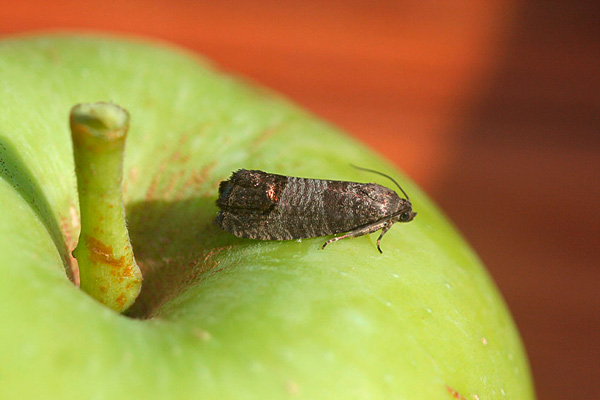
During the period, plant protection treatments should be carried out during the cooler hours of the day with plant protection products with an appropriate pre-harvest interval, consistent with the ripening period of the crops. The frequent rainfall during the first half of July increased the infectious background of certain fungal pathogens: downy mildews on vegetable crops, late brown rot on early fruit varieties (peaches, nectarines, plums and pears). In the third ten-day period of July, in fruit crops, control of the second generation of fruit moths should not be underestimated. In vineyards, treatments against powdery mildew (oidium) may be combined with those against mites and the larvae of the second generation of the European grapevine moth.
Source: NIMH